
A novel, analytics-driven approach to investment risk
Measuring investor risk tolerance plays a central role in the investment industry, but finance professionals still rely on inefficient and narrow approaches to understand their clients’ investment preferences. Telfer Professor Jonathan Li has addressed some of these limitations by proposing an analytics-driven model to calculate investment preference.
Finding the right method to measure one’s risk tolerance is relevant to everyone in the investment industry, from major corporations to clients interested in investing in their retirement fund or children’s education. Financial advisors and professionals are committed to offering the best investment recommendations that will bring the highest return for their clients, but they often fail to see the whole picture of what the client really prefers.
“Failure to properly assess risk preference can lead clients to believe that their investments are safe and to take more risk than they can afford,” says Jonathan Li, an associate professor at the Telfer School of Management. In extreme cases, “black-swan” events can tank the market: “many people can lose their funds if invested in overly risky assets,” he adds.
Drawing on analytics research to identify practical solutions
Novel finance research suggests that convex risk function theory can help professionals more accurately measure their investors’ tolerance for risk. Despite its theoretical appeal, putting convex risk function into practice can be challenging. “There’s little guidance around how to choose a convex risk function that appropriately represents one’s subjective risk preference,” explains Li.
But Professor Li was able to do just that by developing an analytics model that determines a client’s risk preference. His model accounts for a client’s feedback, past investments, and a company’s market performance history, allowing finance professionals to better understand their clients’ risk preferences and provide recommendations that are more in tune with those preferences. Li shared his findings in a new study published in Management Science.
Challenges of using traditional ways to measure investment preferences
Financial professionals such as bank advisors often ask their clients an extensive list of questions to determine which investments they prefer, but this traditional approach is time-consuming. It also fails to account for a very elusive concept: preference is a subjective experience for both clients and financial advisors. Clients may not fully grasp their own preferences when choosing their investments and determining how much they are willing to risk. Finance advisors may be biased in how they phrase their questions. Some of these professionals overestimate their clients’ tolerance for risk.
“Through traditional methods, financial advisors have access to a limited range of information, so their traditional way of quantifying individual risk intolerance can lead clients to make high-risk decisions that do not necessarily reflect their preferences,” says Li. These methods are also too narrow to reflect the complexity of an ever-changing market environment.
Applications for investors and finance professionals
Professor Li believes that finance professionals should help clients better understand and capture the full picture of their preferred investment choices. To do so, professionals would need to gather information about the past market performance of those companies that match their client’s profile, weigh in their clients’ past investments and risk exposure, and compare how these possible investment choices would perform in the market.
The more data an investment professional has about the client’s past investment decisions, the closer they are to developing an investment plan that suits the client’s preferences. Gaining access to high quality data also means this approach could transform the investment sector. Li’s model involves AI and machine learning techniques that allow computers to learn an investor’s preference and design more effective decision-making tools for advisors.
Analytics-driven model has financial benefits for society
Li’s novel, analytics-driven model can help ensure that any investment decisions are made within the clients’ tolerance for risk. The model can also improve economic stability by benefiting the following investment industry stakeholders:
- Investors: the model can help clients hold their financial advisors and institutions accountable for identifying investment opportunities that reflect their own preferences
- Finance professionals: this framework helps financial advisors better understand their clients’ past investment decisions and define an investment plan that aligns with their investment preferences. Such a framework will also ensure that these professionals don’t deviate from their client’s choices.
- Fund management companies: the model helps these companies ensure that they do not take on more risk than their clients can accept.
By Lidiane Cunha
Read the article:
Li, J.Y. 2021. “Inverse optimization of convex risk functions.” Management Science.
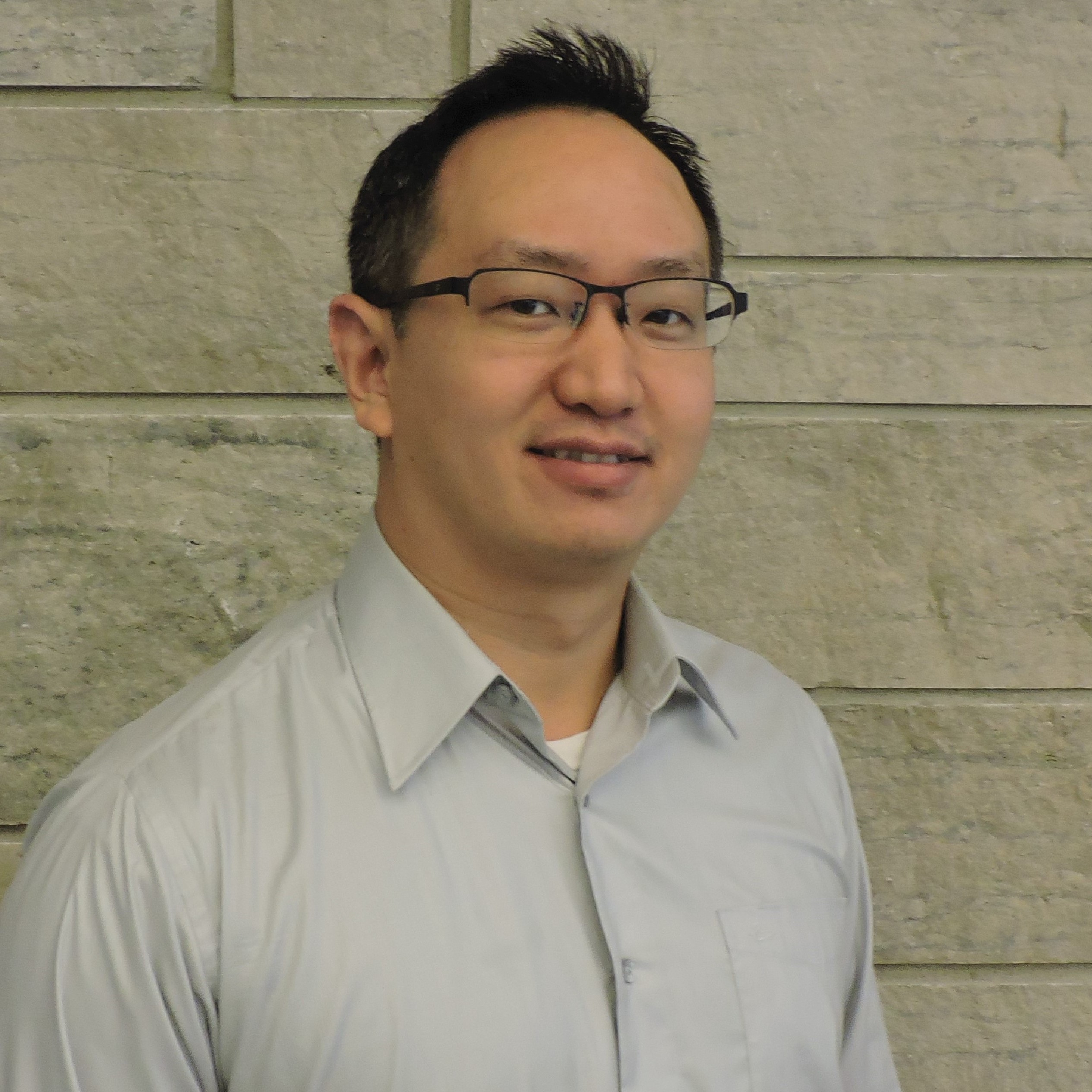
Jonathan Li's research interests focus on business analytics, operations research, and financial engineering. At the centre of his work are risk management problems that involve quantifying and modelling risk. Learn more about Li's work.

Conducting research with Indigenous communities on healing practices
The value of Indigenous healing practices is well-recognized in Indigenous wellness literature, but non-Indigenous health practitioners and researchers know little about it. In 2015, the Truth and Reconciliation Commission of Canada called upon leaders and decision makers in the health care system to recognize the value of Indigenous healing practices and use them in the treatment of Indigenous patients. This was one of 94 Calls to Action outlined to redress the legacy of residential schools and advance the process of Canadian reconciliation.
In partnership with a Labrador Innu community, health sciences doctoral graduate Leonor Ward worked under the supervision of Telfer professor Samia Chreim to describe the five stages in the process of Innu healing. They collaborated with Innu researchers Mary Janet Hill, Annie Picard, Christine Poker and Nikashant Antane, and non-Innu researchers Samantha Wells and Anita Olsen Harper. The study also explains why Innu knowledge should be incorporated in health policy and practice designed to support the physical and psychological well-being of Innu communities.
Building research partnerships with Indigenous communities
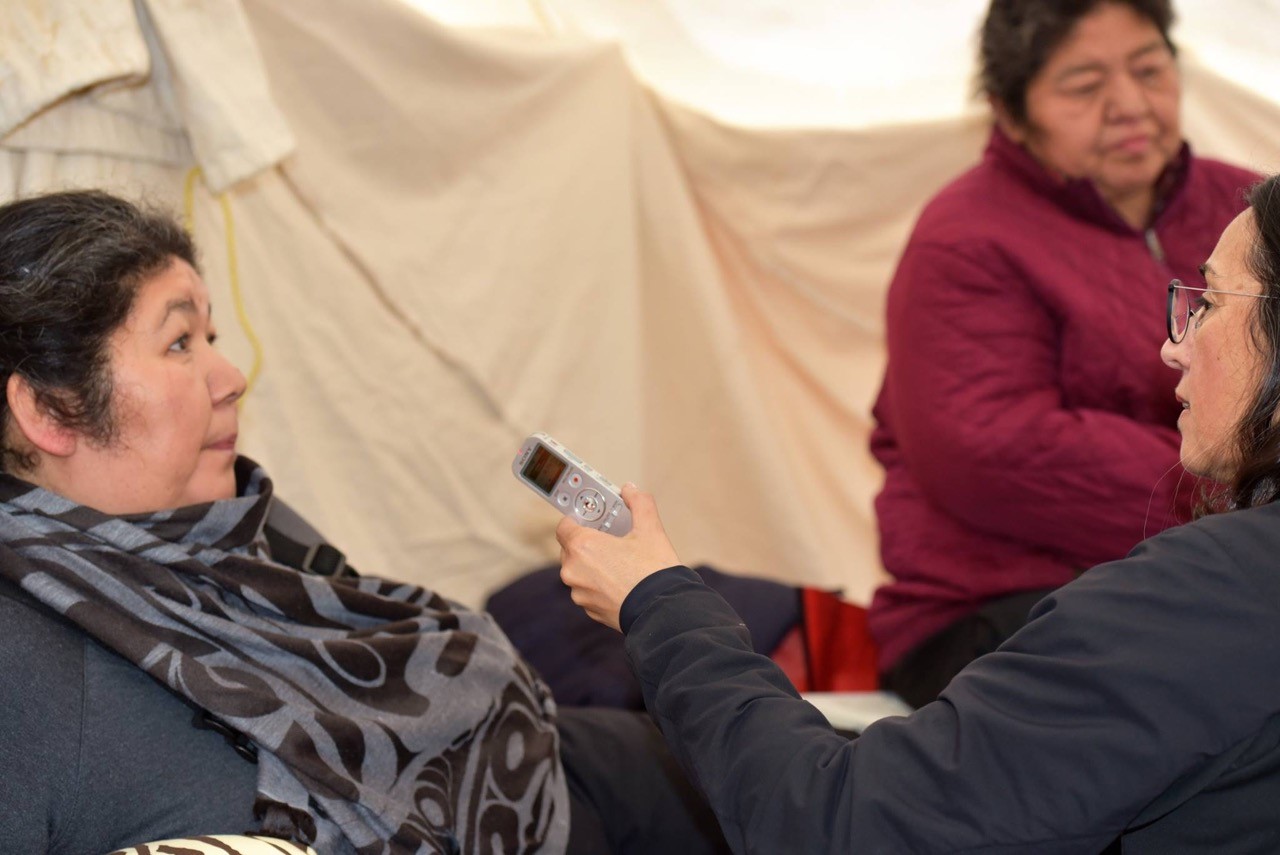
Relationship building is essential when conducting research in Indigenous settings. “Leonor lived in Labrador and worked with the Innu. She was able to foster long-term relationships even before the research partnership was developed,” says Chreim, a full professor in organizational studies at the Telfer School of Management and Leonor’s PhD supervisor. But this process cannot be rushed. “Only through relationship building can non-Innu researchers approach Innu communities and, in time, engage to a certain degree with their ways of knowing, ways of being and ways of doing,” says Leonor.
Many Indigenous communities have a recent history of research conducted on them without their involvement or permission. Unfortunately, unethical research practices have affected the ability of these communities to trust academic researchers. Non-Indigenous researchers seeking to foster relationships with Indigenous communities first need to regain their trust. Leonor recounts the first time one of the Innu researchers felt confident to explain the Innu ways of knowing, a process grounded in spiritual practices:
“In that precious moment, Innu were teaching and entrusting their knowledge. As I was respectful, we talked more, and I was able to ask questions, making sure I could understand as much as possible, while being aware that as a non-Innu, I will never fully grasp the Innu worldview. During the entire research I held the posture of humility and desire to learn.”
Respecting and valuing Innu knowledge and practices also opened space for Innu researchers and leaders to advance their self-determination and reconciliation within Canada. Coauthor Annie Picard, one of the Innu researchers, describes how respectful partnerships benefited their community:
“We want our ways to be known and respected by all people, and that those who hear will have a heart that hears and open minds. We hope and pray that, in the spirit of reconciliation, Innu will be respected so that we can heal. This [healing] can only happen through the continued advancement of our ways and the ways of all Indigenous peoples across this nation of Canada.”
Community-based, ethical research
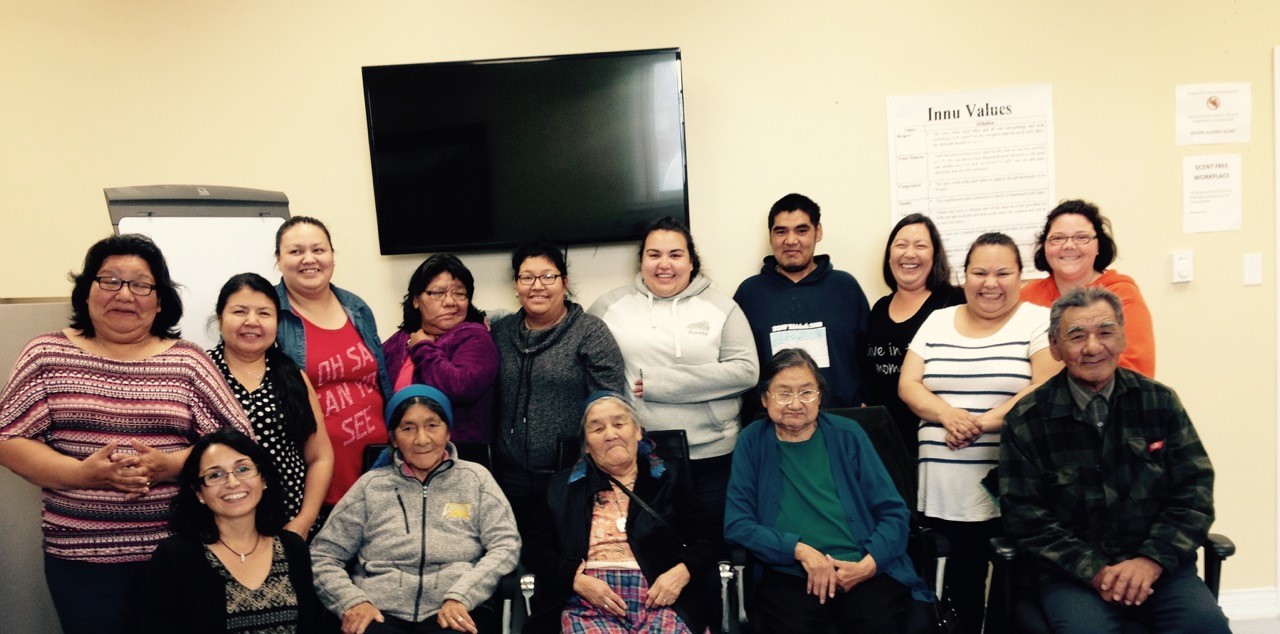
Prior to the start of the study, a research agreement was signed by each chief of the Labrador Innu communities. The grand chief of the Innu Nation appointed two spokespeople to engage with academic researchers and recruit interested individuals. “Together, we discussed how we could represent the research framework in a collaborative manner that values Innu knowledge and ways,” says Leonor. “It was during those conversations that the thinking and the awareness of non-Innu researchers was changing, as we had to face our own assumptions, limits and tensions,” she adds.
The study followed the First Nations principles of ownership, control, access and possession (OCAP). For more information on how the OCAP principles were implemented in this research, read another team article on developing an Innu framework for health research.
The non-Innu researchers involved in this project were also pushed to examining their internal process to conduct research ethically with the Innu. As Leonor puts it, “this allowed the non-Innu researchers to become aware of biases and assumptions and to articulate the many behaviours that researchers must exhibit to meet Indigenous researchers in an ethical space.” Building and transforming awareness were just a starting point to enter an ethical space and conduct research that values Innu knowledge and practice.
The interdisciplinary nature of the study also offered a very fertile ground for considering how to design, conduct and present the study. The researchers who contributed to the project were trained in several areas, including population health, lived experience, Indigenous studies, health systems and management, and qualitative research methodologies. For example, the team was able to critically evaluate theories of population health and health systems by juxtaposing them with the perspectives of Innu research partners. “This interdisciplinarity allowed us to identify weaknesses in the various theories and approaches, and to consider how to build on the strengths of various areas in ways that contribute to practice, policy and theory,” explained Chreim.
Healing and self-determination
“Indigenous researchers describe healing as a journey or a process that allows individuals to return to a place of wholeness after a traumatic experience. It’s also often defined as a way of reconnecting individuals to a reinvigorated culture based on connection with the land and spiritual roots,” says Leonor. In the 1960s and 1970s, Indigenous people in North America began reconnecting to their culture and this became a historical movement.
This healing movement was also a reaction to traumatic experiences caused by recent colonial practices. In the case of the Labrador Innu, most children attended Indian day schools starting in the 1970s. Today, Innu continue facing racism and discrimination. Many of the Innu involved in the study shared several accounts of these traumatic experiences.
The Innu leaders involved in the project were interested in articulating Innu understandings of well-being (minuinniuin) and processes of healing, fundamental concepts in health and well-being practices and knowledge in Innu communities. “They wanted to share these concepts with non-Innu health and service providers and policymakers so Innu minuinnuin and healing could be included in policy and implemented in health practice,” Leonor adds.
The Innu and non-Innu researchers analyzed interviews and focus groups with 39 participants and identified five stages of healing process:
- Being “under the blanket”: a challenging stage in which the person feels grief, sadness, anxiety, and lack of hope and, as a result, cannot move from under the blanket.
- Finding spiritual strength: the start of the healing journey, when one realizes that they are being helped, needed and loved through a strong spiritual experience. Innu researchers describe this stage as a condition for advancing in healing.
- Extending hands out: in this stage, the person seeks help, finding resources for their journey towards healing.
- Finding strength and power: the person enacts change by practising Innu culture, resisting negative stereotypes and developing a positive Innu identity.
- Helping others: the person constructs meaning and an Innu identity from the experience of supporting others.
Insights into these five stages were supported by Innu elders. They play a major role in advising leaders and families in the Innu communities.
Valuable findings for non-Innu health professionals and social service providers working with the Innu population
“Health and social service providers working with Innu clients need to learn about Innu ways of knowing and ways of being, critically recognize their own biases and acknowledge the power imbalances between themselves and their clients,” says Leonor.
She believes this study provides health professionals with valuable information for considering Innu healing as a model that expands their views, to benefit Innu seeking mental health services. “It is also vital for health and social service providers, especially non-Innu providers, to understand the importance of Indigenous spiritualities to appreciate Indigenous processes of healing,” she adds.
By Lidiane Cunha
Read the study
Ward, L., Hill, M-J., Picard, A., Olsen Harper, A., Chreim, S. and Wells, S. 2021. A process of healing for the Labrador Innu: Improving health and wellbeing in the context of historical and contemporary colonialism. Social Science and Medicine.
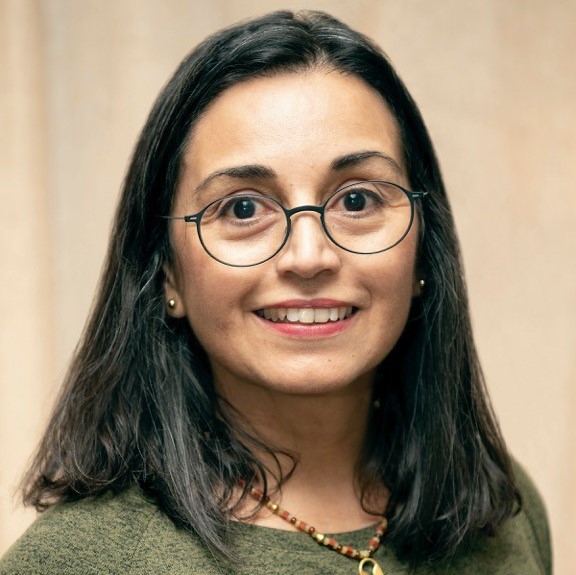
Leonor Ward is a health sciences doctoral graduate. She worked under the supervision of Telfer professor Samia Chreim
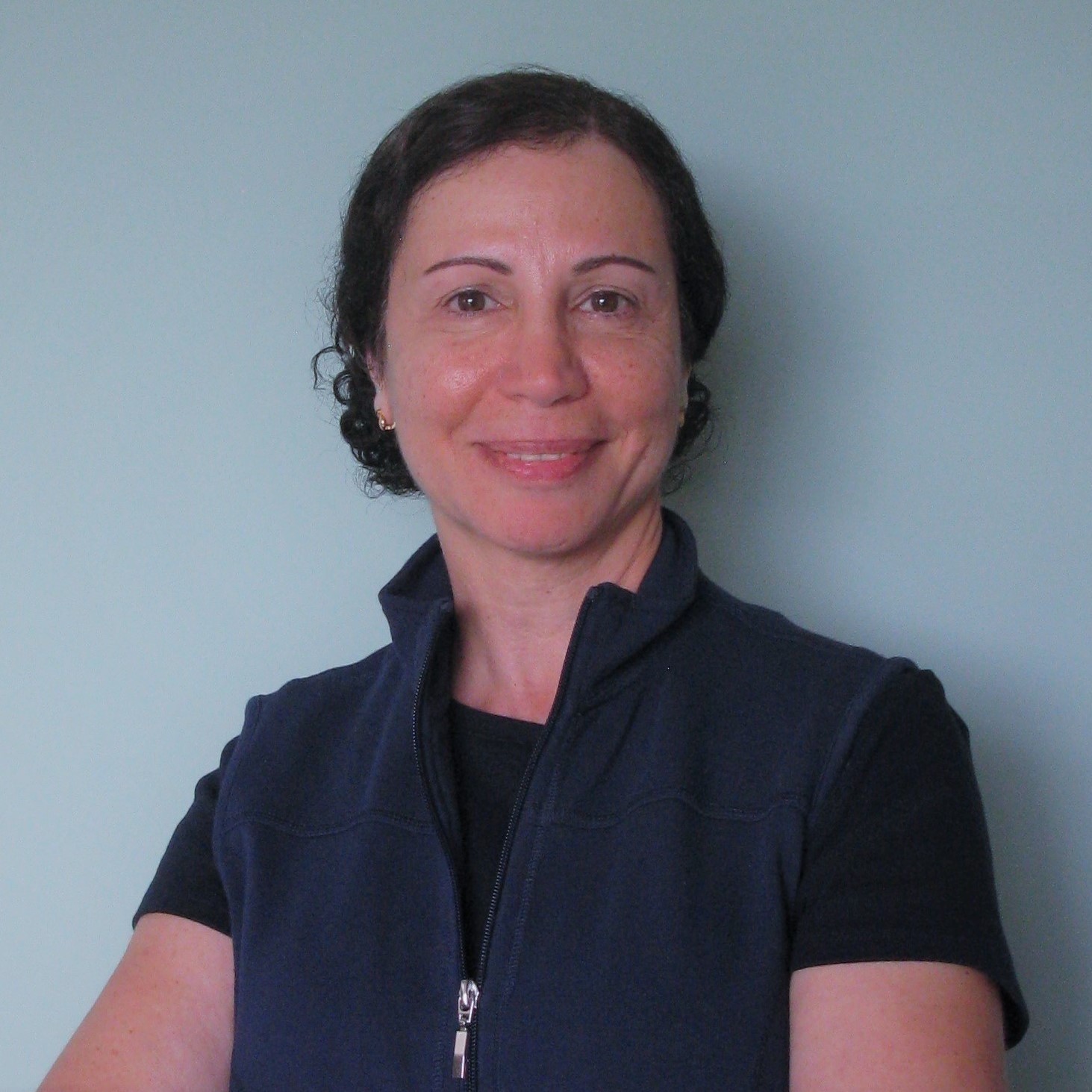
Samia Chreim is a Full Professor at the Telfer School of Management, where she holds the Ian Telfer Professorship in Organization Studies. Her research focuses on the dynamics of change at different levels, on intra-organizational and inter-organizational collaborations, and leadership. Learn more about her research.

Understanding resilience of entrepreneurs - Meet new faculty member Ramzi Fathallah
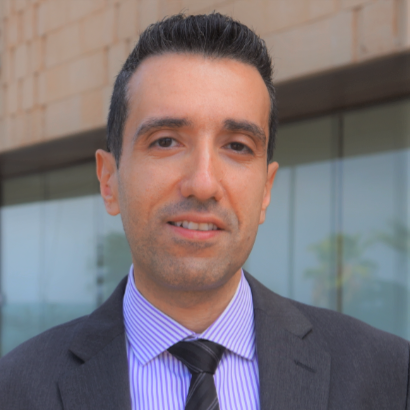
Ramzi Fathallah was hired last July as an assistant professor in entrepreneurship and family business at the Telfer School of Management. He completed his PhD in entrepreneurship at Ivey Business School in 2017. We interviewed him to learn more about his research interests in family business and how entrepreneurs overcome difficulties.
Why did you choose to study entrepreneurship? Any personal motivation behind your research interests in this area?
I am a fourth-generation member of a family business that was founded in 1908. Growing up, I used to spend many of my weekends and summer holidays at the family business, listening to my father’s ideas on how to expand the business or start a new business project. I was always fascinated by entrepreneurs and business families who were able to sustain and grow their ventures, especially in a politically and economically turbulent environment such as my home country of Lebanon.
Do you have any new research highlights to share or new projects that you are excited about?
I have a forthcoming work that examines how entrepreneurs harness resilience when they face different types of crises. The study highlights the bright and dark sides of resilience and develops a picture of how entrepreneurs manage their vulnerability over time. While resilient entrepreneurs always manage their vulnerability, they place greater emphasis on “managing” when they experience time subjectively as a resource at their discretion; they underscore their “vulnerability” when they experience time as a burden.
How can your research influence businesses in Canada?
During the COVID-19 pandemic, entrepreneurs have faced unprecedented setbacks. They grapple with extreme levels of vulnerability and experience extreme emotions. Yet given the abnormality of the global pandemic, bouncing back to a pre-crisis level (i.e., back to normal) is no longer an option. My research describes skills and solutions, showing how entrepreneurs can bounce forward and pursue a new normal. Entrepreneurs can bounce forward by categorizing their emotions, revising their commitments, and working with time by stretching and shrinking activities. We also should be careful of the pervasiveness of language surrounding resilience and the pressure to prove one’s entrepreneurial resilience since these factors risk pushing entrepreneurs past their ability to cope and pushing their ventures past the breaking point.
Click here to register for Ramzi Fathallah's New Faculty Seminar.
By Rania Nasrallah-Massaad
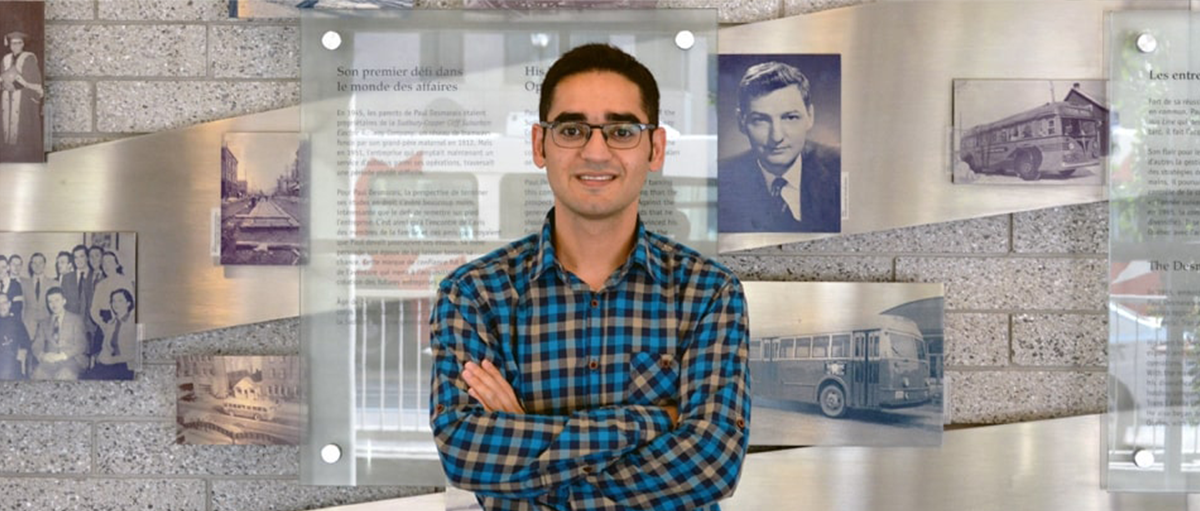
PhD Spotlight — Afshin Kamyabniya
Afshin Kamyabniya began the PhD in Management program at Telfer in 2017 after receiving a master’s in industrial engineering from Iran University of Science and Technology. He is working with professors Jonathan Patrick and Antoine Sauré and specializing in health systems. We interviewed him to learn more about his research interests in healthcare operations, logistics, and disaster relief operations.
Why did you choose to study health systems? Any personal motivation behind your interest?
In 2003, when I was 16 years old, an earthquake hit the historic city of Bam, in my country, Iran. Many lives were lost due to lack of preparedness, slow response, few medical resources, etc. Such a tragedy inspired me to pursue research in the area of disaster relief operations, where I can apply business analytics to model real-world problems, such as humanitarian relief operations. A good disaster relief plan is crucial to saving as many people as possible with minimum response times and with limited relief supplies.
What is your research about and what will it contribute to academic literature?
The central theme of my research focuses on building optimization models under multiple sources of uncertainties (number of injuries, accessibility and availability of medical centers, demand and supply of medical resources and services) to determine policies for more effective disaster relief logistics, such as triage and evacuation of the injured, relief supply distribution, and treatment service allocation in medical centres. By developing such multifaceted and integrated relief networks, I will derive managerial and actionable insights that help relief departments form robust emergency plans for immediate response to the needs of an affected population.
You recently published a study in the Journal of Transportation Research. What are some highlights from it?
I presented the highlights of this study at the 2021 INFORMS Healthcare Conference. In this work, we developed a robust integrated response model that helps blood transfusion organizations better collaborate to control and reduce the shortage and wastage of blood products. We demonstrated how the insights we derived could be applied using an earthquake case study that ultimately supports the diverse injury and seriousness of patients receiving the blood groups and products.
How can your thesis research improve the lives of Canadians?
The output of my thesis can improve how Canadians are served by relief agencies in terms of how medical resources and services are allocated. The insights derived from this thesis can guide practitioners in the Canadian government and private sectors to develop optimal policies and robust response plans for relief operations, such as mass casualty evacuations of Canadians during disasters.
By Rania Nasrallah-Massaad

Improving digital technology uptake in senior health care organizations
Digital technologies have never been more useful than during the COVID-19 pandemic; they keep people connected and provide access to remote services and care. It was clear from the start that older people in long-term care homes, such as nursing homes, would suffer the most from social isolation and deteriorating health due to the limited in-person resources available during the pandemic. In addition to keeping people connected, digital technologies offer many innovative health care solutions that can greatly support the monitoring and management of the health conditions of older people and improve their quality of life. Tools like telemonitoring devices, and fall detection and wearable technologies, for example, can support timely interventions when needed and improve the management of chronic conditions. Despite the potential benefits associated with these technologies, health care practitioners and senior care organizations still face challenges in implementing them in long-term care, which is reflected by their limited uptake and the slow adoption of technology in this environment.
Professor Mirou Jaana has received a Social Sciences and Humanities Research Council Insight Development Grant to study how health information technology (IT) decisions are made in senior care organizations. Her research examines health IT adoption in long-term care homes and identifies the key factors that can guide and influence decision-making related to digital health technologies in these settings.
Project title: Information Technology Management Decision-Making in Senior Care Organizations: A New Paradigm for a Post-COVID19 Era
We asked Professor Jaana what her personal interest is in this project: “The recent COVID-19 pandemic has unveiled existing challenges and constraints in senior care organizations, and a persistent lag in the adoption of innovative approaches and digital health technologies in these environments. Decision-making related to health IT in long-term care homes remains like a “black box”, with very limited available evidence and understanding of what shapes the decisions of whether to adopt new technologies, and what technologies to consider and prioritize. Hence my motivation and interest in this project.”
Digital Technologies Transform Health Services
The benefit of technology in improving global health and access to health services is undeniable. The increasing number of health apps and their use on mobile devices attests to the revolutionary role that digital technologies can play. The World Health Organization recently adopted a global strategy on digital health 2020-2025 to promote equitable and universal access to digital health resources. It emphasized that successful digital health initiatives need an integrated strategy and that “health initiatives must be guided by a robust strategy that integrates leadership, financial, organizational, human, and technological resources.”
Despite the fact that digital health services offer clear benefits that can improve health care delivery and outcomes, such as their ability to empower patients, monitor patients remotely, and prevent injury using sensory devices, the uptake of digital solutions that can transform health care practices in senior care organizations remains slow and limited. To better understand how health IT decisions are made in this context, Professor Jaana will conduct a case study at the Perley and Rideau Veterans Health Centre, one of Ontario’s largest and most progressive long-term care homes, which has been adopting innovative solutions to address the needs of older people. To explore the key factors that influence health IT decisions in senior care organizations, she will also survey leaders and decision-makers in long-term care homes in Ontario to learn what they consider important when making health IT adoption decisions.
Who will benefit from this research?
The knowledge gained from this work will inform researchers and practitioners of the current needs and barriers to implementing digital solutions in senior health care organizations. This information could lead to better strategies to improve access to digital health services. Decision-makers in different senior care organizations could use the insights from this work to evaluate the benefits of technology and transform their health care practices to better serve the public.
Professor Jaana says, “The findings of this project will present a first step towards better understanding the factors that influence the decision-making process related to health IT solutions in long-term care, and identifying gaps and challenges in this area. The results of the survey will enable leaders and decision-makers in long-term care homes to benchmark against other similar organizations. They can further inform future strategies and policies that address existing challenges and barriers, which would otherwise hinder effective health IT decision-making and implementation in these settings.”
By Rania Nasrallah-Massaad

Dr. Jaana is a Full Professor and MHA program Director at the Telfer School of Management in the University of Ottawa, and holds the Telfer Research Fellowship. She earned her PhD in Health Management and Policy at the University of Iowa, with a concentration in Health Informatics, and completed a post-doctoral fellowship at HEC Montreal under the Canada Research Chair in Information Technology in Health Care. She currently teaches courses in the areas of quality management and evaluation in health care, program evaluation, and health information technology. Learn more about her work.