
Does the Virtual Office Benefit All Professions?
The rise of Uber and Lyft turned the taxi industry upside down. UberEATS and DoorDash have revolutionized the way people order food delivery. Many professionals, like doctors, lawyers, and accountants, who never considered engaging with online platforms are now embracing the challenge and opportunity. But what impact does platform work have on the quality of services provided, and the work experience of professionals. Does platform work, or a hybrid workplace, benefit all professions?
Professor Yao Yao has received a Social Sciences and Humanities Research Council Insight Development Grant to study how online, platform-based legal services have been incorporated into the law profession and how the digital transformation of the workplace affects lawyers in these settings.
Project title: Digital transformation of professional work: Lawyers’ readiness and professional socialization in digital platform-based legal services.
We asked Professor Yao about her personal interest in this project:
“The phenomenon of online platform-based legal services intrigued me: how do the logics and norms created in low-income occupations, like ride hailing and food delivery, play out in a professional context for lawyers, who expect to have lots of autonomy and respect?”
Digital transformations and professional services
The benefit of offering professional services on a platform was clear at the start of the pandemic: it prevented exposure to the virus. Even post-pandemic, the convenience of online professional services is obvious and welcomed by consumers, especially when they consider their one-hour commute for a 30-minute appointment with a professional, or the extra time-off from work needed to attend in-person appointments. But what happens to the quality of services and how are service providers affected by this transformation?
To better understand the impact of the digital transformation of legal services on lawyers, Professor Yao will consider lawyers who actively offer platform-based legal services. She will first survey established law professionals about the antecedents that led to their readiness to transition to platform-based work. She will then interview new lawyers to learn about their professional socialization process, which is how they acquire the values and knowledge about their profession, through platform services. This work will offer important insights into the worker experiences and behaviours that correspond to the digital transformation of professional work.
Who will benefit from this research?
This study will contribute new knowledge about the digital transformation of workplaces and help professional associations make informed decisions when shaping the future of professional practice. The knowledge gained will help researchers and practitioners recognize the possible consequences to service providers, and their expectations if professional services are offered on digital platforms. A better understanding of their needs can help practitioners improve the transition of their practices to online platforms. The insights from this work can also help professionals make informed career choices about pursuing digital services.
By Rania Nasrallah-Massaad
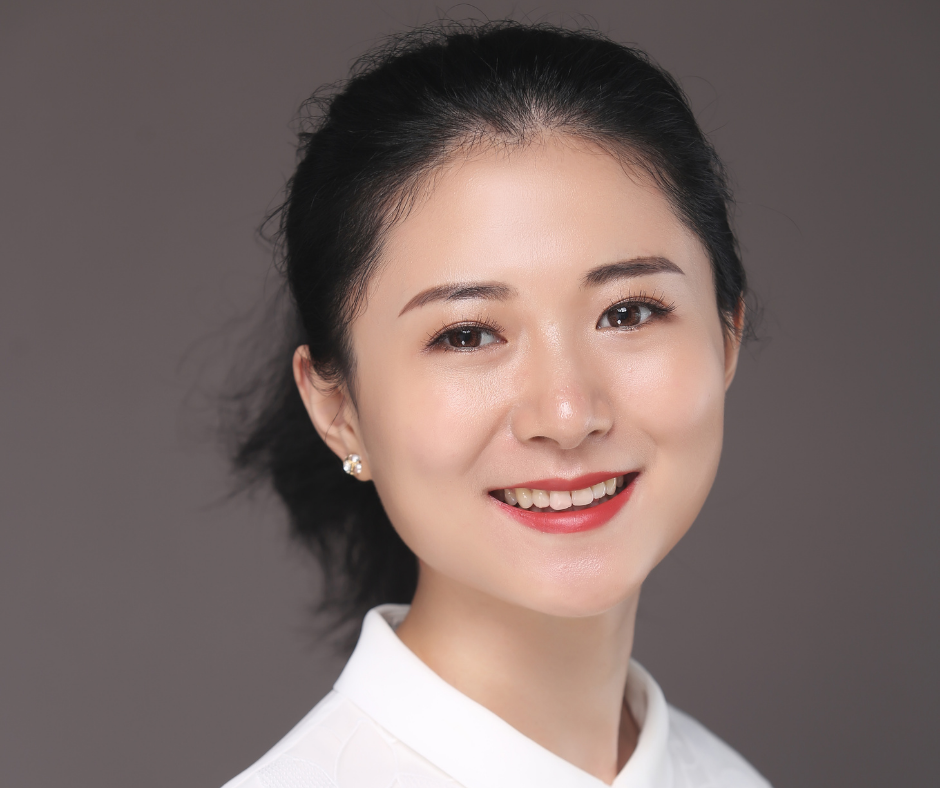
Dr. Yao earned a Ph.D. in Industrial Relations and Human Resources from the University of Toronto and holds an M.Sc. from the London School of Economics and Political Science. Her research seeks to understand changing workplaces as technological and institutional environments evolve. Read more about her work.

Mobilizing Multiple Stakeholders for Inclusive HR Systems in the Middle East and North Africa: Meet new faculty member Charlotte Karam
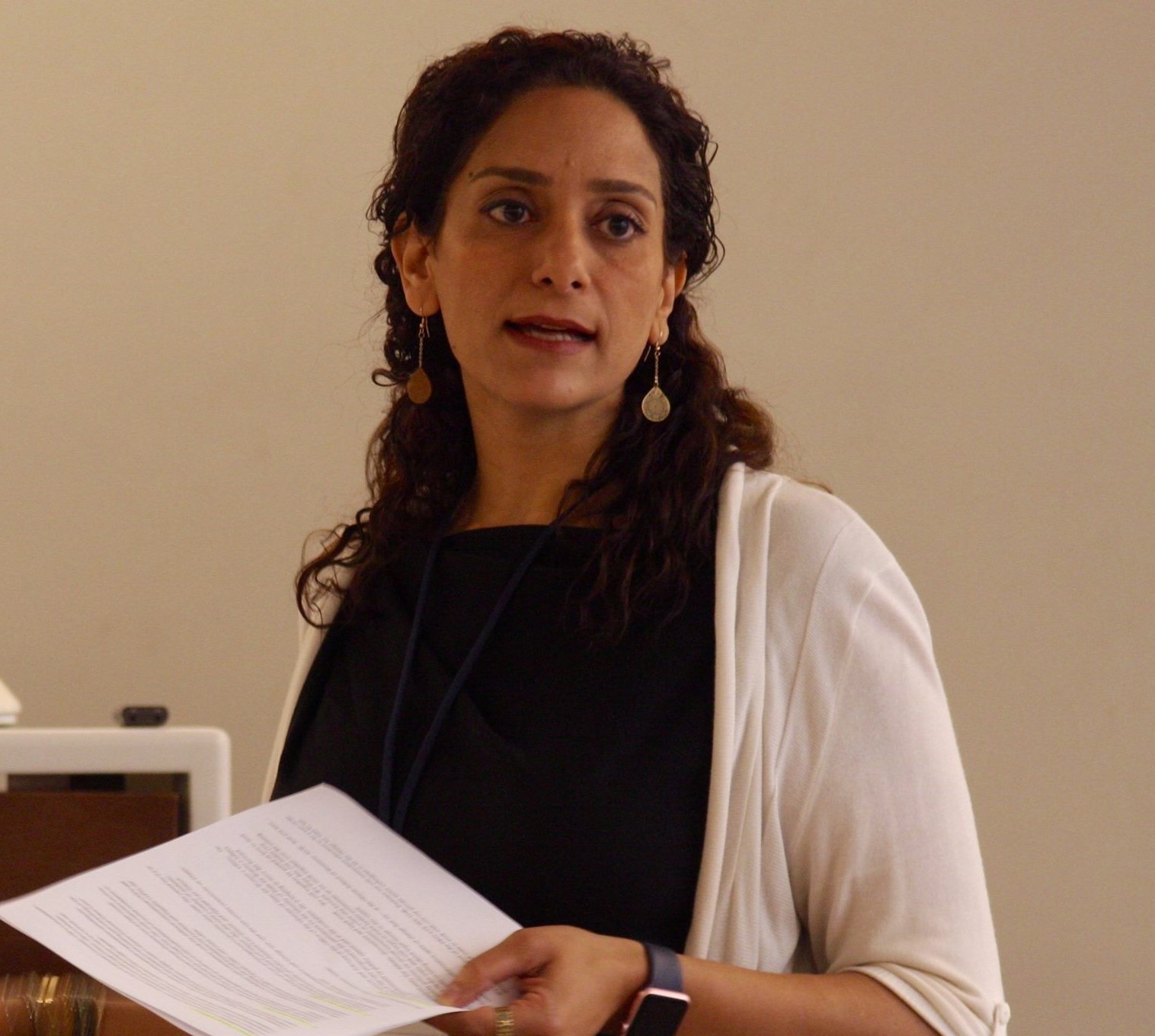
Why did you choose to study inclusive HR systems?
As I started my academic career in Beirut, I saw that I could use my training in applied social psychology and organizational studies to address the problems I observed in my surroundings. Lebanon was emerging from a 15-year civil war, and I was in a region that had historically been plagued by war, civil unrest, stark socioeconomic inequalities, and over 70 years of refugee struggles. The issues of economic inclusion, gender-based violence, and codified discrimination in policies at the organizational and legislative level were of particular interest to me. It was hard to witness it and look the other way. So, my work over the past decade has adopted a multilevel hybrid lens, combining institutional theory with feminist notions of power, to broadly examine the responsible engagement of organizations to alleviating these ills and restoring dignity to the populations with whom I am privileged to engage.
You have ten years of experience in working with different stakeholders in the Middle East and North Africa (MENA). What are the key areas of contribution and of impact that are linked to your research?
Over the past decade, my research has focused on two primary areas. The first aims to decrease the dire deficit of data on inclusive workplaces in the MENA. Governments, policy makers, industry leaders, HR managers, and activists have been trying to build more gender-inclusive workplaces without local data. Multi-country or multi-sector data on workplace recruitment, retention, and promotion policies and practices from the region are not available. Our work focuses on developing sector-based measures of gender-inclusive human resource practices in local organizations in the MENA. In 2021, we released two indices: the KIP index, which tracks local employer perspectives and practices; and the Lived Experience index, which tracks female citizen experiences.
The second area of research focuses on responsible employer engagement in inclusive HR systems. This involves directly working with employers across the region and exploring both policies and practices within the organization, as well as engagement across the supply chain. A part of these latter efforts includes working to introduce a MENA-region Gender Lens Investment initiative. Over the years, we have been fortunate to receive support for our impact-focused research from many funding sources largely tied to international development agencies and intergovernmental and international NGOs, such as UN Women, the UN Development Program, the European Union, and the governments of Sweden and Canada.
In what ways is your research relevant to Canada?
Although the focus of my research has been in the context of the MENA, there are lessons that can be applied to the Canadian context. There are exclusionary HR structures everywhere in the world, as well as historically oppressed and marginalized groups in Canada. My hope is to foster opportunities and collaborations in Canada that explore the nuances and dynamics of exclusion. I hope to work with Canadian employers to better track inclusive practices and processes, and to co-create strategies for better and more dignified work across the supply chain, both in Canada and abroad. I am particularly interested in fostering communities of scholarly activism that focus on alternative models of work. My aim is to try to build bridges between our work in the MENA and the work being undertaken by, and with, the First Nations, Inuit and Métis peoples of Canada and members of other racialized groups. I think there is a lot to learn and share about experiences of exclusion and oppression, and that by sharing and co-creating this knowledge, together we can imagine and forge new models for inclusive HR systems and create responsible employer strategies.
By Rania Nasrallah-Massaad

Telfer-Arts Research Team will Examine Interpersonal Dynamics of Social Inclusion in the Workplace and Classroom
Social inclusion is critical to informing business practice, education and policy. It is also a vital ingredient in unlocking the powerful economic and social benefits of equity and diversity programs. Social inclusion is inherently interpersonal: it is based on how people interact with and treat one another. Through socially inclusive interactions, people feel safe, respected and accepted. Social inclusion also has a positive impact on physical and psychological health, as well as well-being. For instance, employees and students who are part of an inclusive social climate are likely to be healthier, happier and more productive.
A 2018 Conference Board of Canada report shows that Canadian organizations have been on an upward trend to embrace diversity and inclusion in the workforce. But a recent Globe and Mail investigative series suggests that Canada’s public and private sectors still face many challenges in promoting equity and diversity.
“For Canada to reap the benefits of equity and diversity we need to create organizations that are authentically inclusive. Hiring diverse employees can sometimes be the easy part, but diversity initiatives can’t end there. To really thrive, diverse employees need to feel like they belong and are accepted by those they work with. No one wants to be a token. People want to be valued and the learn their value through their interactions with others,” explains Jane O’Reilly, associate professor at the Telfer School of Management.
New research program funded by the Canada Foundation for Innovation
Professors Jennifer Dimoff and Jane O’Reilly, both from the Telfer School of Management, and Faculty of Arts professor Meredith Rocchi have joined forces to create a lab space that will examine the nature, antecedents and consequences of socially inclusive interactions. This female-led research team at the University of Ottawa has been awarded a John R. Evans Leaders Fund by the Canadian Foundations for Innovation for their project titled Inclusion, Interaction, and Intervention: The Triple-I Lab.
“This research program will focus on building unique technology infrastructure that will enable the team to conduct really exciting research on interpersonal dynamics, with a special focus on social inclusion. The lab will house state-of-the-art observational technology that opens the door to research that just wouldn’t be feasible in a more traditional psychology lab,” says Jennifer Dimoff, assistant professor at the Telfer School of Management.
“The Triple I Lab will be crucial in the creation and validation of applied intervention programs, such as training programs, that can effectively nurture inclusive climates. Through cutting-edge technology, we will answer important research questions with the concerted purpose of developing intervention strategies that have a real impact on promoting genuine social inclusion in Canadian businesses and classrooms,” says Meredith Rocchi, an assistant professor at the Faculty of Arts.
The Triple I Lab will be launched in 2021. Professors Dimoff, O’Reilly, Rocchi and their research collaborators across Canada and the world will leverage advanced artificial intelligence, observation technology and physiological measurement tools to record, code and analyze social interactions and behaviours in small, medium and large group interactions.
This research program will strengthen the work developed as part of the Telfer School of Management’s Thriving Organizations and Societies area of strategic impact, an institutional mission to support social research that promotes more inclusive and healthier workplace practices. It will also strengthen the Faculty of Arts work on well-being across the life course, including its research on well-being in the workplace.
Benefits to businesses, public organizations and postsecondary institutions
Insights gained through this research will help to support a strong and innovative economy and provide Canada’s Public Service Commission with guidance on developing a diverse public service and an inclusive culture.
Findings from this research program will be translated into actionable insights that can help Canadian postsecondary institutions to effectively attract and retain international students who are likely to stay in Canada and contribute to a stronger Canadian economy after graduation.
Finally, this research program will provide outstanding grounds for training top quality students, allowing them to develop transferable skills for careers in academia, applied research, career coaching and management consulting. Graduates of the Triple-I Lab will be ambassadors for change, equipped with knowledge of how to successfully cultivate social inclusion in their future organizations, as well as academia.
By Lidiane Cunha
Learn more about the Telfer School of Management’s Thriving Organizations and Societies area of strategic impact.
Learn more about the Faculty of Arts Well-being across the life course research theme.
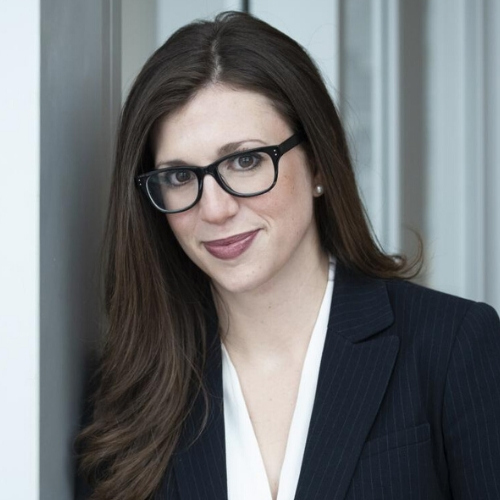
Dr. Dimoff is an assistant professor at the Telfer School of Management. Her primary area of research focuses on the intersections between leadership, occupational health and safety, and employee training and development. Learn more about Dimoff’s work.

Dr. O’Reilly is an associate professor and Telfer Fellow in Workplace Wellbeing at the Telfer School of Management. Her research examines informal workplace interactions and relationships. Her main research areas are mistreatment and social sexual behaviours in organizations. Learn more about O’Reilly’s work.

Dr. Rocchi is an assistant professor in the Department of Communication at the Faculty of Arts. She examines the benefits of effective interpersonal communication in physical activity, health behaviour and education settings. Learn more about Rocchi’s work.

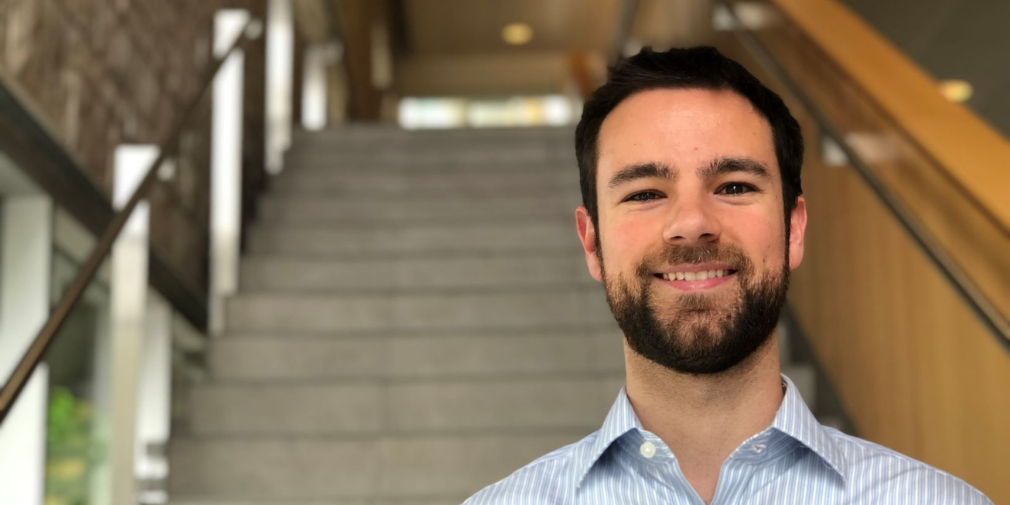
PhD Spotlight – Nicolas Legendre
Nicolas Legendre joined the PhD in Management program at Telfer in 2016, after completing his MSc in Management at the school. He is specializing in finance under the supervision of Professor Miwako Nitani. During his studies, he has received the Lilian and Swee Chua Goh Doctoral Scholarship and the SSHRC Joseph-Armand Bombardier Canada Graduate Scholarship. We interviewed him to learn more about his research on financing of small and medium sized businesses in Canada.
Why did you choose to study finance?
I chose to study finance with a focus on small businesses because of the disproportionate contribution of small businesses towards a country’s economic growth. Alleviating financial barriers faced by entrepreneurs, specifically, members of underrepresented groups, is crucial to supporting the growth of small businesses, our primary growth drivers.
What is your research about and what will it contribute to academic literature?
My research looks at the entire process of raising capital for small businesses. One of the unique aspects of my research is my focus on underrepresented groups and discrimination. It contributes to the academic literature by distinguishing between the types of discrimination (taste-based vs. statistical) that members of underrepresented groups may face when trying to obtain external financing.
Your recent work was published in the Journal of Banking and Finance. What are the highlights from that study?
My recent publication entitled “Cooperative lenders and the performance of small business loans” looked at the impact of lender type at the last stage of raising capital for small businesses. Specifically, it investigated the notion that cooperative lenders (credit unions and caisses populaires) face less severe information asymmetry compared to major banks. We found that small business loans advanced by cooperative lenders are less likely to lead to default compared to those extended by major banks, highlighting the importance of cooperative lenders for small business lending.
What impact could your research have on public policy?
My thesis research can influence public policy by informing programs that seek to alleviate financial constraints faced by small businesses. For example, my thesis found that members of underrepresented groups are more likely to forego applying for financing, even though they need financing, due to fear of having their loan application rejected. Accordingly, targeted programs that aim to support access to financing for members of underrepresented groups should focus on addressing these discouraging barriers.
By Rania Nasrallah-Massaad

Socially responsible consumerism: how to avoid the trap - Meet new faculty member Argiro Kliamenakis

Argiro Kliamenakis was hired last July as an assistant professor in marketing at the Telfer School of Management. She completed her PhD in marketing from the John Molson School of Business at Concordia University. We interviewed her to learn more about her research interests in socially responsible consumption decisions and marketing practices.
Why did you choose to study marketing? Any personal motivation behind your research interests in this area?
As an undergrad I had to read “Why We Buy: The Science of Shopping” as a requirement for one of my courses. It made me realize that the reasons why we buy are often not that straightforward, and that even unrelated elements in our environment—like background music in a store—can influence our choices. Since then, I have been very much fascinated by the psychology behind consumers’ decisions.
How did your PhD training inform your current research program?
Going into the PhD program, I knew that I wanted to engage in research that could potentially have a positive societal impact, without knowing what that would look like. During my PhD training, I was fortunate to work with research faculty who exposed me to various domains within consumer behaviour research. This helped shape my current research interests and allowed me to learn how to identify interesting research questions in areas related to socially responsible consumption and marketing practice, prosocial behaviour, and consumer goal pursuit.
Do you have any new research highlights to share?
Although consuming more responsibly is part of the solution when it comes to reducing our environmental footprint, a big part of it also has to do with simply buying less. Overconsumption has largely contributed to our escalating environmental challenges. As such, I am also interested in finding ways to curb this overconsumption. For instance, in my recent publication in Psychology & Marketing, entitled “When waiting pays off: The impact of delayed goal failure on self‐perception and self‐regulation,” my co-author and I demonstrate that consumers can avoid the cycle of indulgence and overspending that is triggered by an initial goal transgression, merely by delaying that initial transgression.
How can your research influence businesses in Canada?
Although the main goal of my research is to find ways to encourage socially responsible and sustainable consumer decisions, my research also offers practical insights to firms as they adapt their business models to reflect a shift toward socially responsible consumerism. More specifically, my research addresses how firms can effectively deal with a variety of ethical, social, and environmental issues while also leveraging them for competitive advantage. Moving forward, firms need to transition away from viewing corporate social responsibility as an afterthought or as simply a means of improving their reputation. Instead, firms should focus on integrating social responsibility and sustainability considerations into their business practices, organizational culture, and overall strategy. This will not only lead to the best societal and environmental outcomes, but will also, in the long-term, lead to the best business outcomes. It’s a win-win for everyone.
Click here to register for Argiro Kliamenakis' New Faculty Seminar.
By Rania Nasrallah-Massaad