Promoting Gender Equality in Federal SME Contracting
Procurement as a policy lever to support innovation and small- and medium-sized enterprise growth
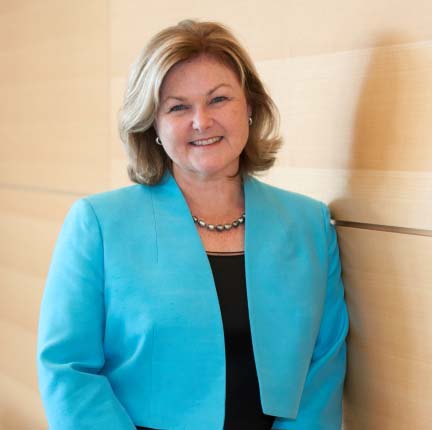
Telfer School of Management Professor Barbara Orser and her research team have been awarded a SSHRC Partnership Engage Grant. In collaboration with Public Services and Procurement Canada, Professor Orser will examine strategies to improve gender equality in the way small- and medium-sized enterprises (SMEs) obtain contracts with the federal government.
These are important areas of economic activity. The government is the single largest purchaser of goods and services, representing, across all levels of government, 13.3 % of Canada’s GDP. Read more about Professor Orser’s partnership here.
SSHRC Engage Partnership Grants
Social Science Humanities Research Council (SSHRC) Partnership Engage Grants provide support for research activities that will inform decision-making at a single partner organization from the public, private or not-for-profit sector.
Research projects supported by SSHRC Partnership Engage Grants allow academic and non-academic partners to exchange knowledge, expertise and capabilities on topics of mutual interest to address an organization-specific need, challenge, and/or opportunity.
Over the next weeks, we will give an overview of the Telfer School research projects that received support from SSHRC Partnership Engage Grants in 2017-2018. If you would like to start a research collaboration with an organization and consider applying for a SSHRC Partnership Engage Grant, please click here.

2017-18 Telfer PhD Student Awards
On May 9th, the Telfer School of Management hosted an end-of-semester celebration lunch to congratulate all PhD students for their hard work over the past year.
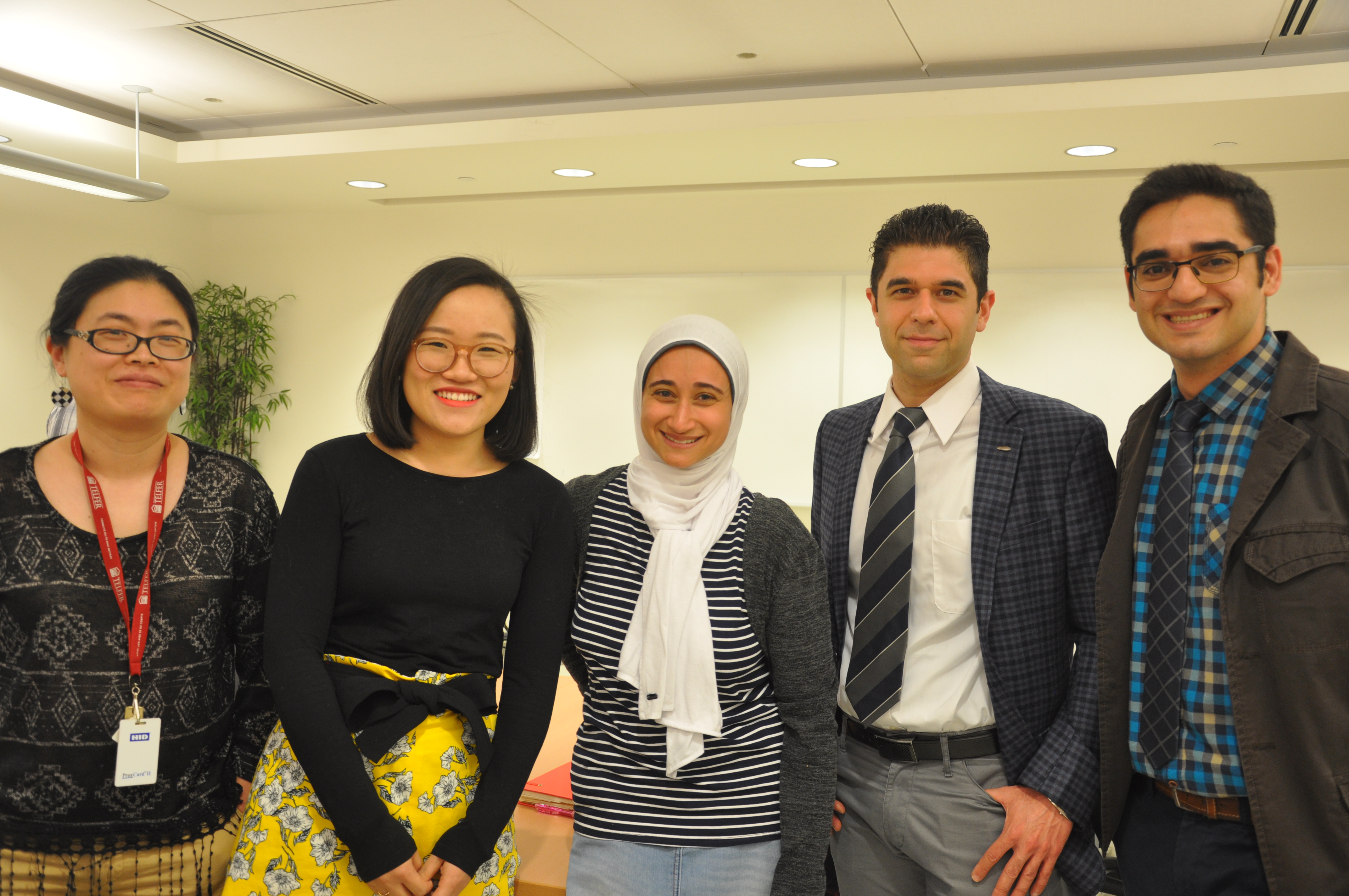
“Through their drive to learn in the classroom and their engagement in collaborative dialogues with the academic community, our PhD students are helping the Telfer School make a real difference,” explained Dean François Julien.
“Our PhD students are going beyond our expectations. In their role as critical thinkers, they should challenge their professors, challenge themselves and ask pertinent ‘why’ questions. This is an important process if they are committed to creating impactful research,” said Vice Dean (Research) Wojtek Michalowski.
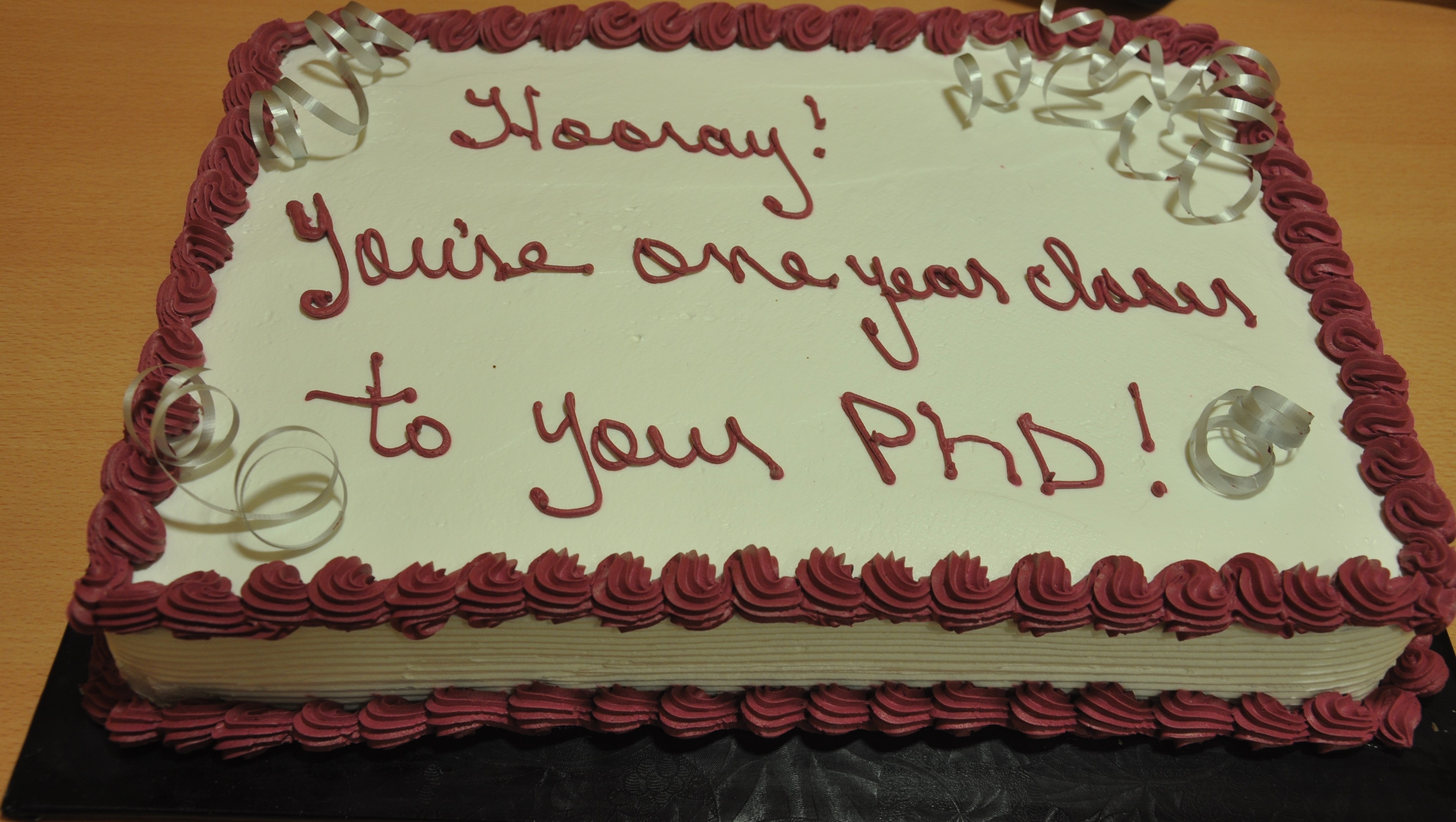
The event was also an opportunity to announce the winners of the 2017-2018 PhD Awards competition.
Alexander Chung received the first prize of the John Duncan and Deb Cross Award and Andrea Ghazzawi was awarded the second prize. The John Duncan and Deb Cross Award recognizes two PhD students for the quality and impact of a peer-reviewed publication.
Caroline Chamberland was awarded the Telfer PhD Student Engagement Award. This award recognizes PhD students who have acted as role models for other students and demonstrated continued engagement with the program, success in their courses, initiative in applying for scholarships, and steady progress in their research.
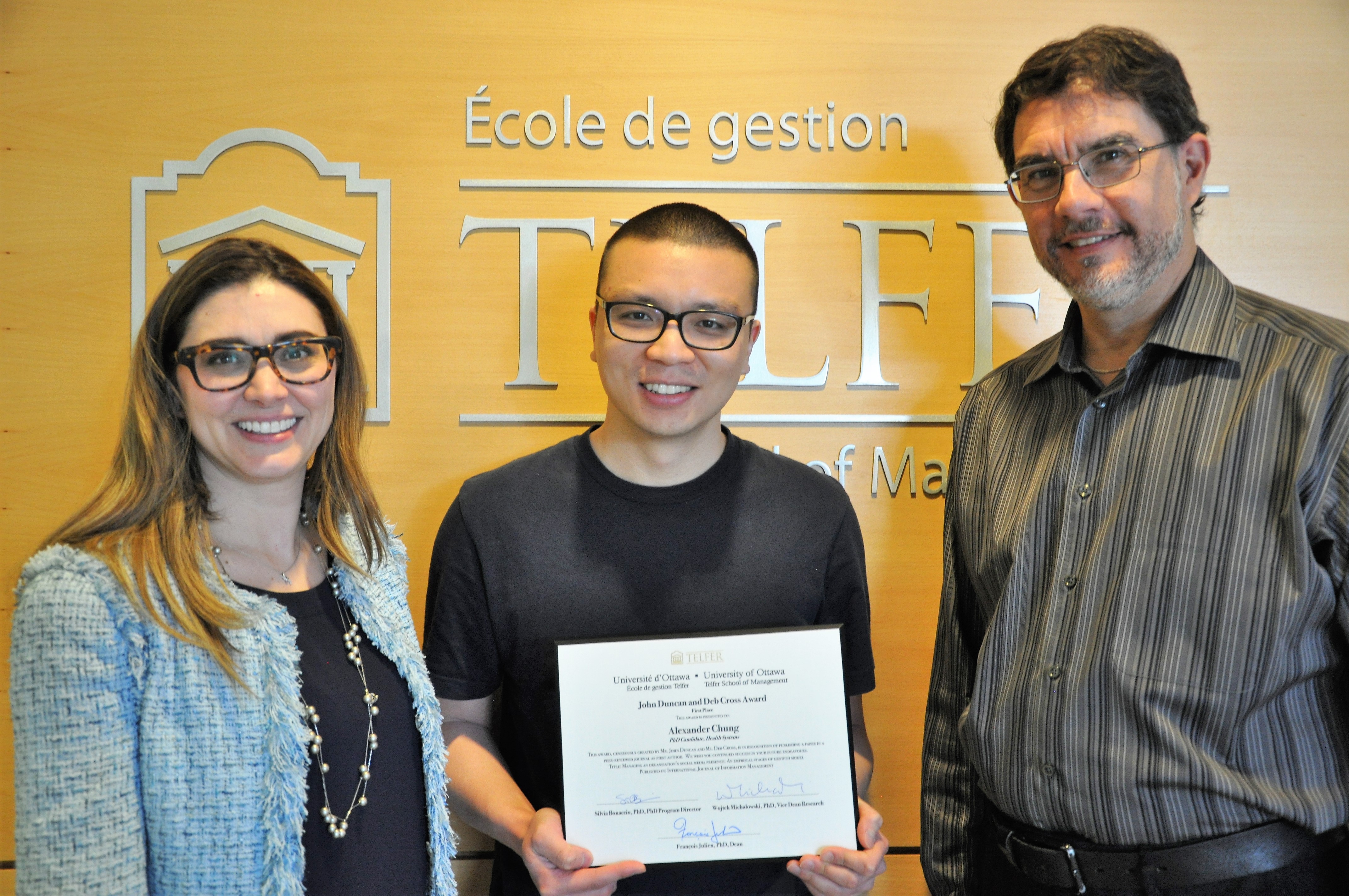
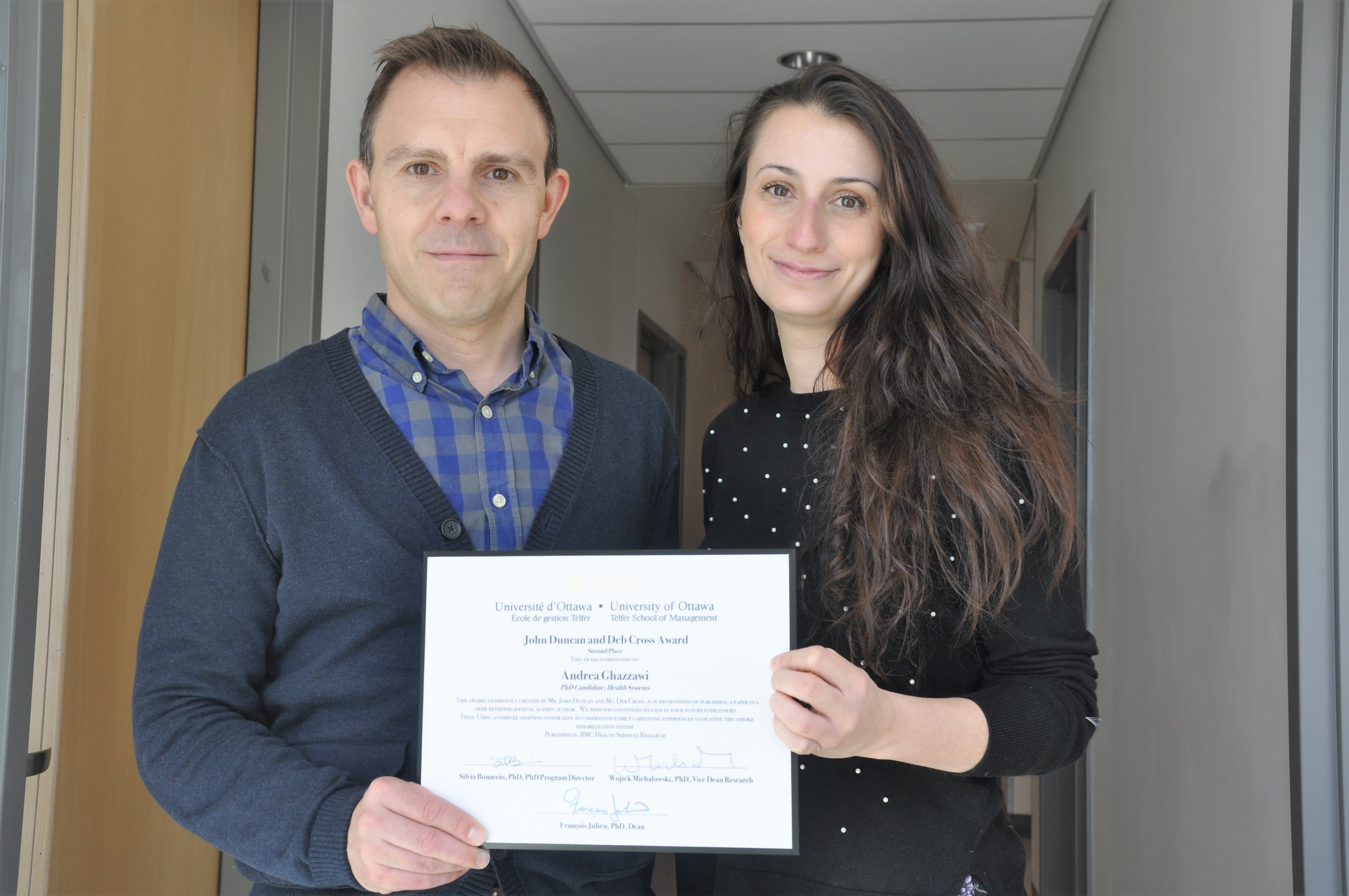
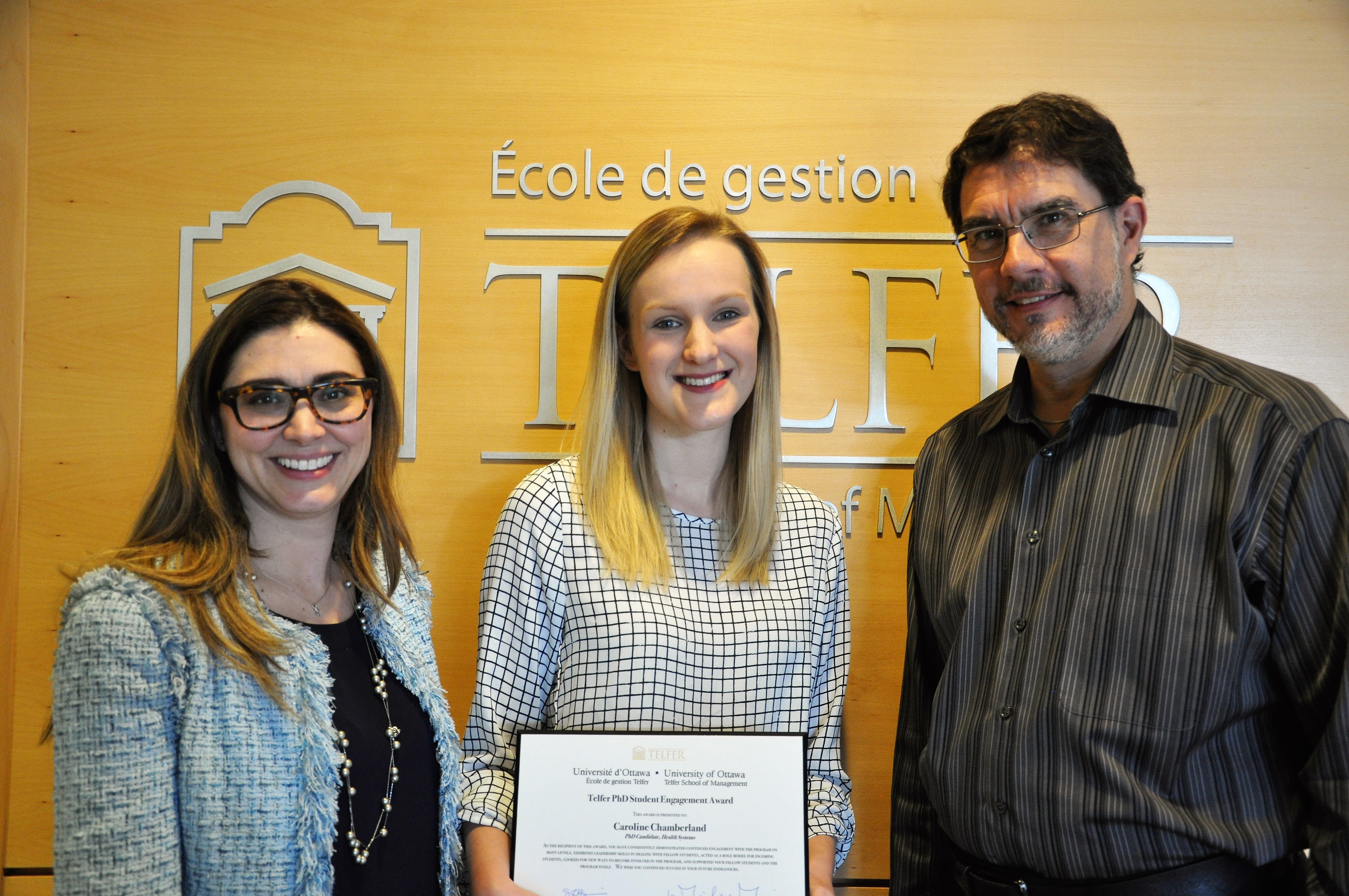
Click here if you would like to know more about the John Duncan and Deb Cross Award and Telfer PhD Student Engagement Award.

Optimizing the economic viability of solar power in Ontario
SSHRC Engage Partnership Grants
Social Science Humanities Research Council (SSHRC) Partnership Engage Grants provide support for research activities that will inform decision-making at a single partner organization from the public, private or not-for-profit sector.
Research projects supported by SSHRC Partnership Engage Grants allow academic and non-academic partners to exchange knowledge, expertise and capabilities on topics of mutual interest to address an organization-specific need, challenge, and/or opportunity.
Optimizing the economic viability of solar power in Ontario
Electricity customers who generate power from a renewable resource, such as solar energy, can use what they need and send excess to the distribution system for a credit towards their electricity costs. Implementing solar power also creates opportunities for businesses and other medium-sized customers to reduce demand charges for peak usage.
An expert in the development of models to assess the economic viability of solar power, Telfer School of Management Professor David Wright has received a SSHRC Partnership Engage Grant to collaborate with the Ottawa Renewable Energy Cooperative (OREC), a community-based organization that develops and operates solar power systems in the capital.
“I am working with OREC to find economically viable solutions to implement solar technology at medium sized customer sites,” he explains. This research collaboration is a step forward to mitigate climate change in a sustainable manner and through a cooperative business model.
Over the next weeks, we will give an overview of the Telfer School research projects that received support from SSHRC Partnership Engage Grants in 2017-2018. If you would like to start a research collaboration with an organization and consider applying for a SSHRC Partnership Engage Grant, please click here.

AI and Analytics in Canada’s Healthcare: A Revolution with Opportunities and Challenges
It is expected that analytics and Artificial Intelligence will transform all sectors of Canada’s economy, including healthcare. Some analytics and AI solutions are already transforming healthcare delivery and improving the quality of care for the patients.
Analytics is used to develop scheduling models to reduce wait times for surgeries or imaging. Artificial intelligence, and specifically the so-called machine learning, is used to help with diagnostics or with the interpretation of lab results.
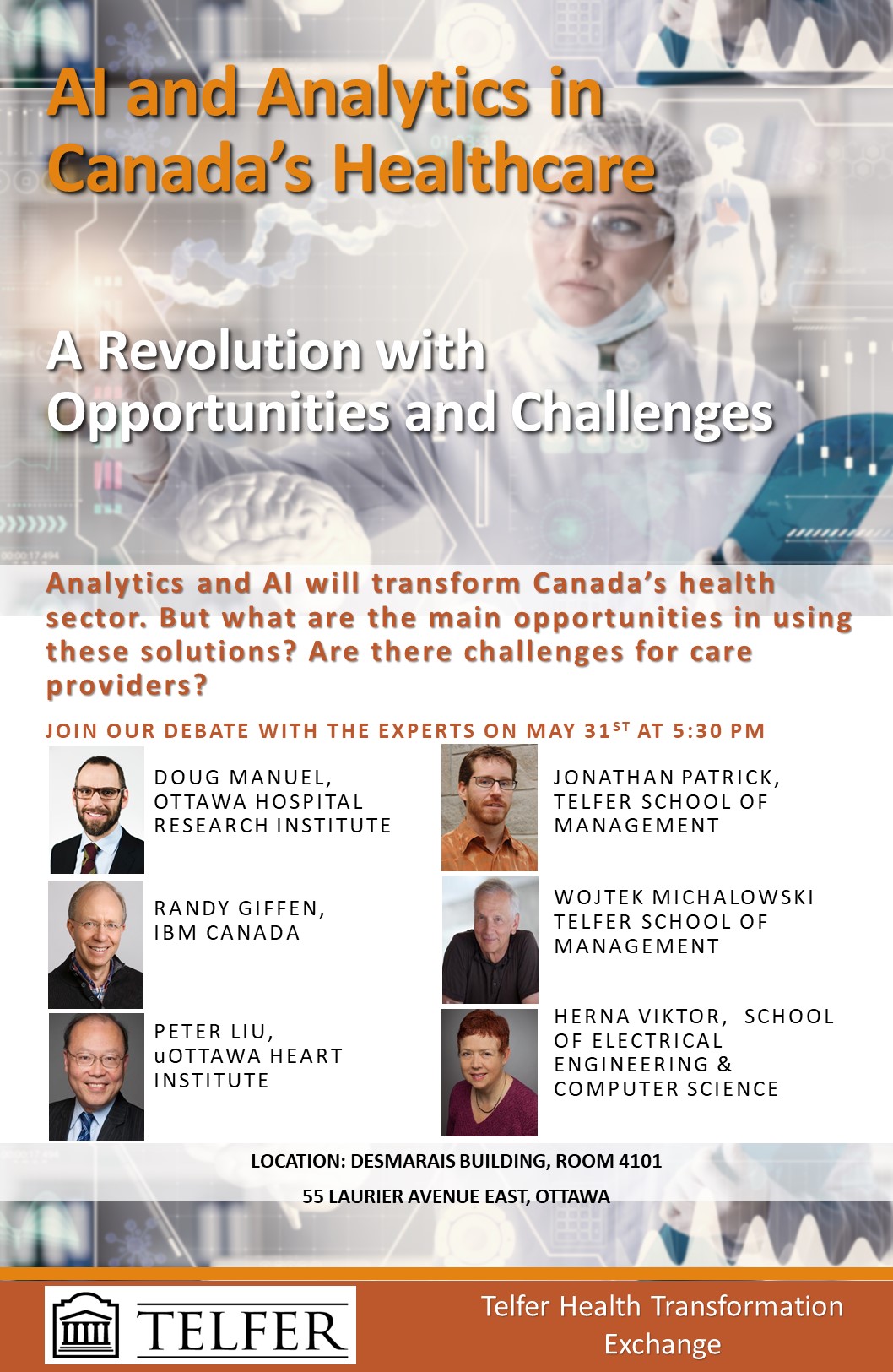
The Telfer School of Management is pleased to be hosting AI and Analytics in Canada’s Healthcare: A Revolution with Opportunities and Challenges on May 31st at 5:30 pm. The panel will bring together leading health professionals, industry representatives, and uOttawa researchers.
Panelists Doug Manuel (Ottawa Hospital Research Institute), Randy Giffen (IBM), Wojtek Michalowski (Telfer School), Jonathan Patrick (Telfer School), and Herna Viktor (School of Electrical Engineering and Computer Science) will discuss the following questions:
- What are the main transformative opportunities in the use of analytics and AI in healthcare?
- Do they create new challenges for patients, physicians, managers, and other healthcare practitioners?
- What do these changes mean for patients and care providers?
Following the debate, there will be an informal networking period with hors d’oeuvres and beverages.
Location: Telfer School of Management, Ottawa, room 4101, 55 Laurier Avenue East
Time: 5:30 to 7:30 pm

The future is here: Analytics has transformed how financial institutions manage risks
With growing warnings of risks of a financial crisis worldwide, finding tools that help banks navigate the uncertainties of the financial world is extremely important. Since the 2008 financial crisis, banks have invested heavily on new technologies to improve their risk management strategies.
A multidisciplinary field that uses mathematics, statistics, and computer science to interpret and predict relevant patterns in recorded data, analytics has dramatically transformed how financial institutions approach risk management. A McKinsey & Company report shows that, while 15% of functions’ staff in banks worked in analytics in 2016, this number will be close to 40% by 2025.
“Analytics has become a valuable tool helping financial institutions such as banks foresee potential risks and be better prepared for the uncertainty of the financial market,” explains Telfer School of Management Professor Jonathan Li, a specialist in business analytics and financial mathematics. If banks make better predictions, they are also more likely to make the right investment decisions as economic scenarios emerge.
But analytics has limitations. Professor Li explains that one of the current challenges in using analytics to predict market behaviour and manage risks is that most models are based on a historical data and do not “look into the future”.
For example, when banks are concerned about the risk of mortgage defaults, their financial analysts sift through data of all mortgage loans during the past 10 years and look for patterns that indicate that a similar behaviour is likely to happen in the future.
“But does a model that measures the risk of loss based on past market behavior allow us to give a better picture of the risks banks will face?” asks Professor Li. As the financial market depends on a series of complex factors, there is no guarantee that history is likely to repeat itself again.
“The predictions based on historical data of market behavior give you a great starting point, but banks have to be careful when making decisions based on too many unknown factors,” explains Professor Li. When relying too much on historical data, analytical models may create a distorted picture of future market behaviour.
To address this problem, Professor Li has developed advanced mathematical models that complement the current measures of loss. These results have been accepted in Operations Research—the best journal in operations research.
“Financial institutions should not rely solely on historical data but instead look for more systematic analytical tools to measure risk. Such complementary tools, like the ones I am proposing, will help to create risk models that well-represent what is likely to happen in the market in the future.”
Who gains?
When equipped with the best analytical tools and models, banks leverage their ability to navigate the investment market and ultimately to improve their bottom line.
According to Professor Li, apart from working with most up-to-date models and tools, banks also need to develop consistent language and practice when communicating an unfavourable scenario to regulators and clients. Oversimplifying or poorly explaining risks can lead to bad decisions.
Finding solutions that can help banks to better measure and control their loss will also benefit society in general. The decisions banks make not simply affect major investors and big corporations, but also anyone who has mutual funds, retirement funds, or an education fund for their kids.
As the average bank client doesn’t have sufficient knowledge to evaluate risks and make optimal investments, they rely on the choices that these financial institutions make. If banks are well prepared, their clients will have fewer surprises.
What to learn more about research in risk management?
If you would like to learn more about how analytics can help banks improve their risk management strategies, contact Professor Li.
Don’t miss out the 2018 Quantitative Risk Management & Financial Analytics Workshop that the Telfer School of Management is organizing in collaboration with the Department of Mathematics and Statistic on May 10th.
- Over-optimism in project management: Beyond the “management-as-planned” approach
- Electronic Business Technology students shine in the 2018 Engineering and Computer Science Graduate Poster Competition
- #MeToo, Workplace Sexual Harassment, and How Organizations Can Cope with Current Challenges
- Secrets, manipulation, and the stock market: How top-executives pocket from private meetings with investors