Academics and Leading Health Professionals Discuss the Opportunities and Challenges in the Use of Analytics and AI in Canada’s Healthcare
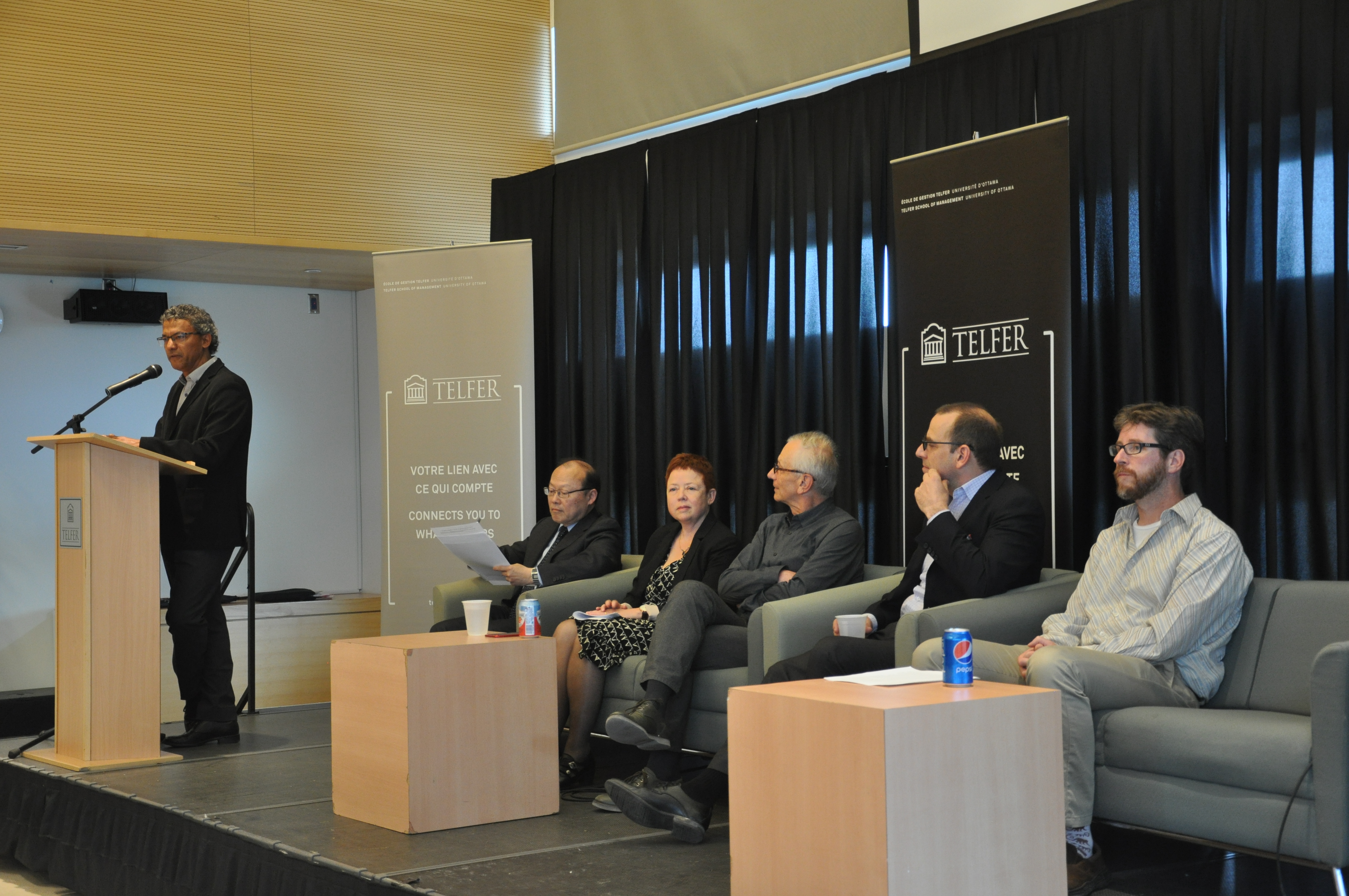
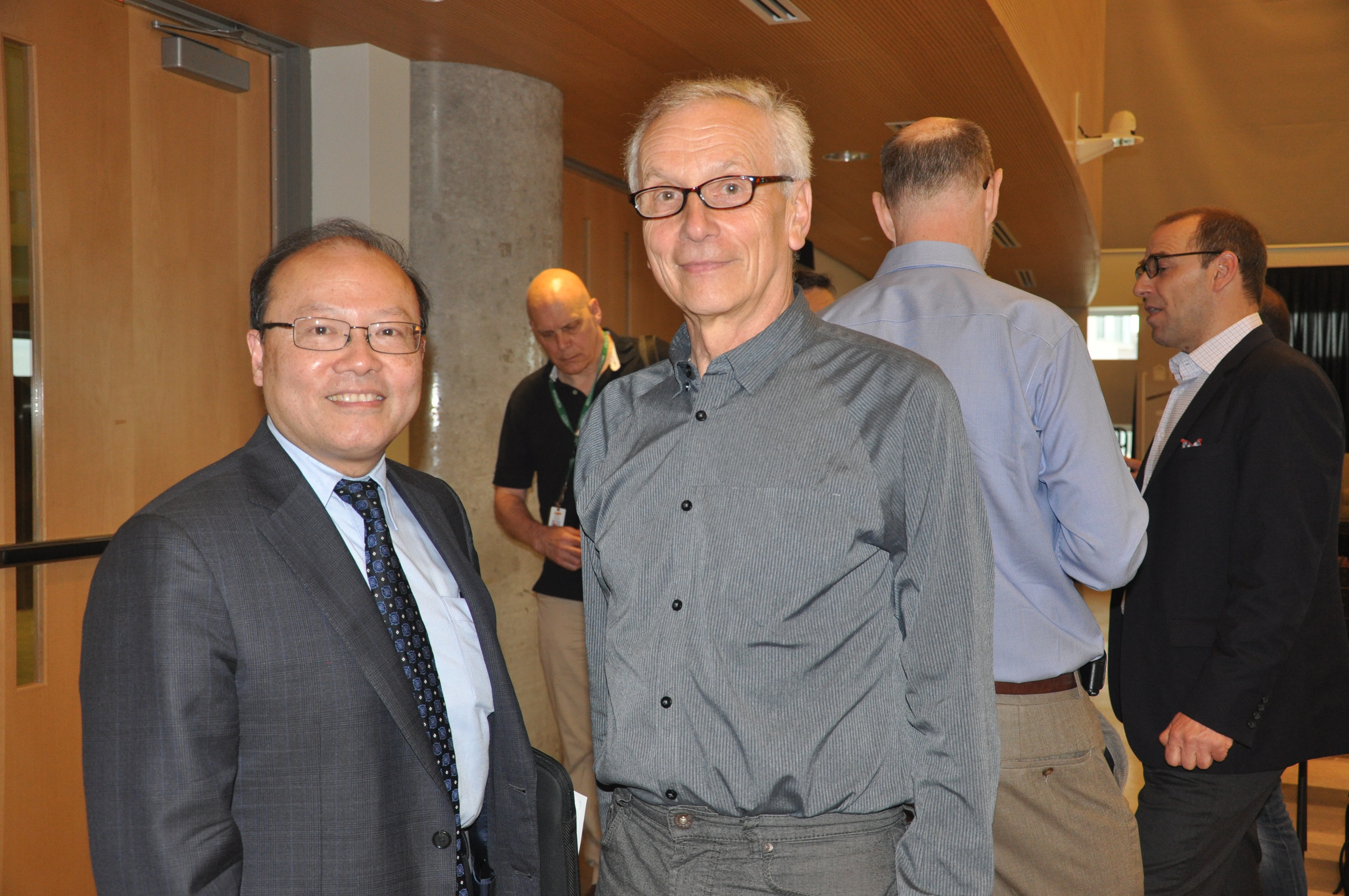
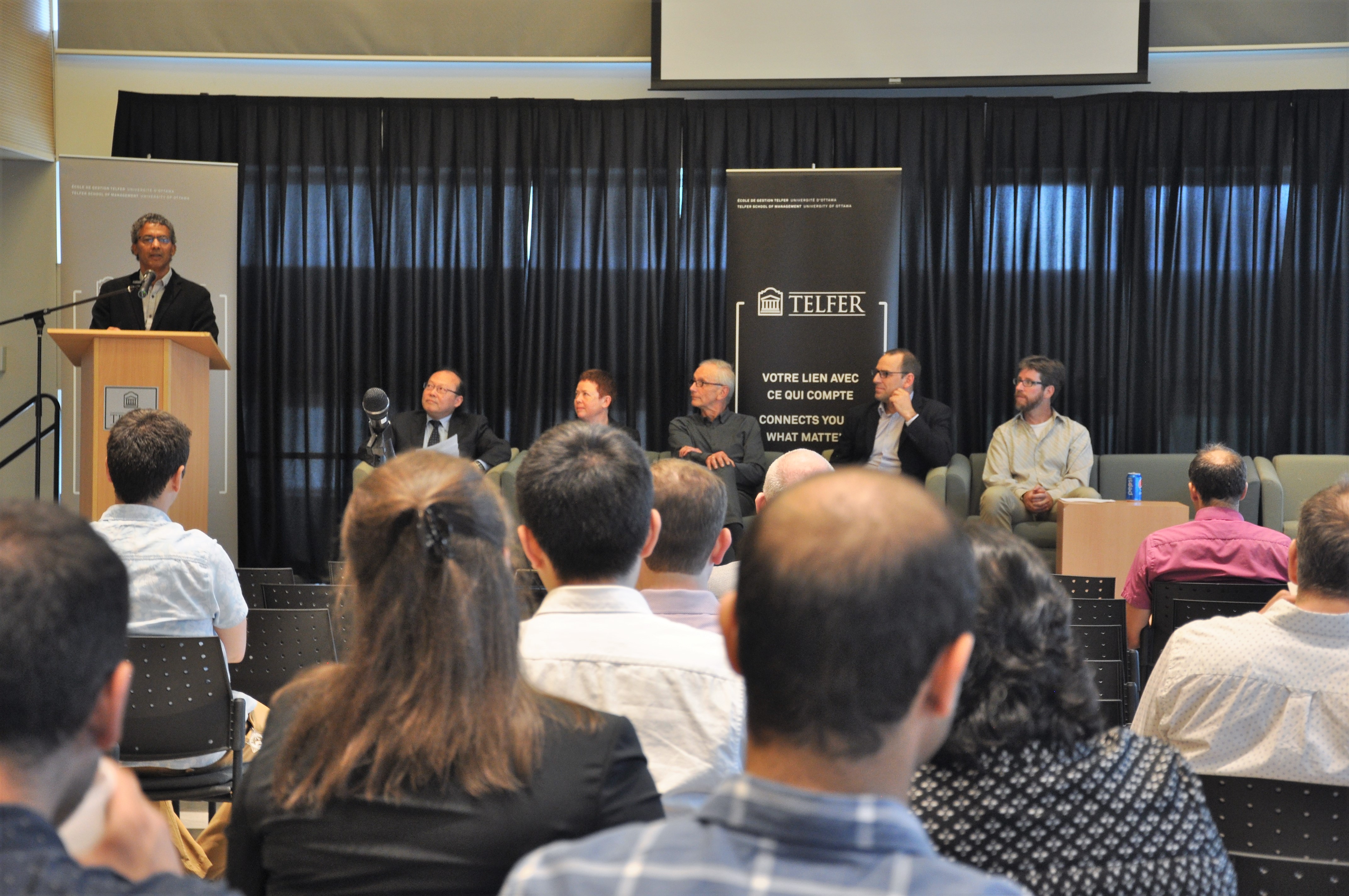
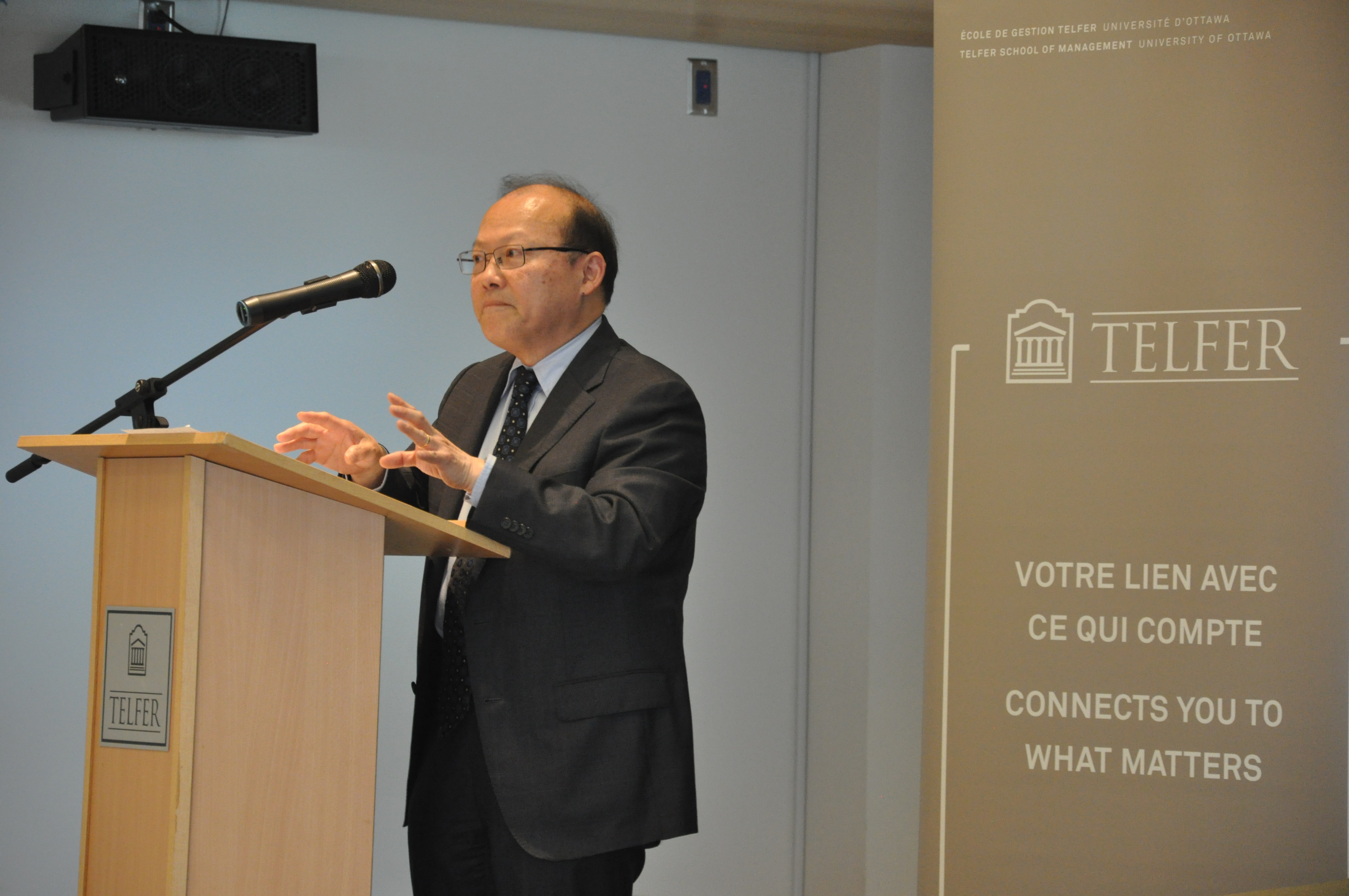
Professor Jonathan Patrick (Telfer School) raised an important question: analytics is used successfully in a number of industries, so why hasn’t healthcare fully embraced it? Applying analytics to healthcare is not the same as creating a program that replaces one of the chess players. He explained that decision making in healthcare involves far more complex and unpredictable strategies than finding ways to ‘checkmate the king’. Analytical models can support healthcare in improving services, but they do not and should not replace decision-making.
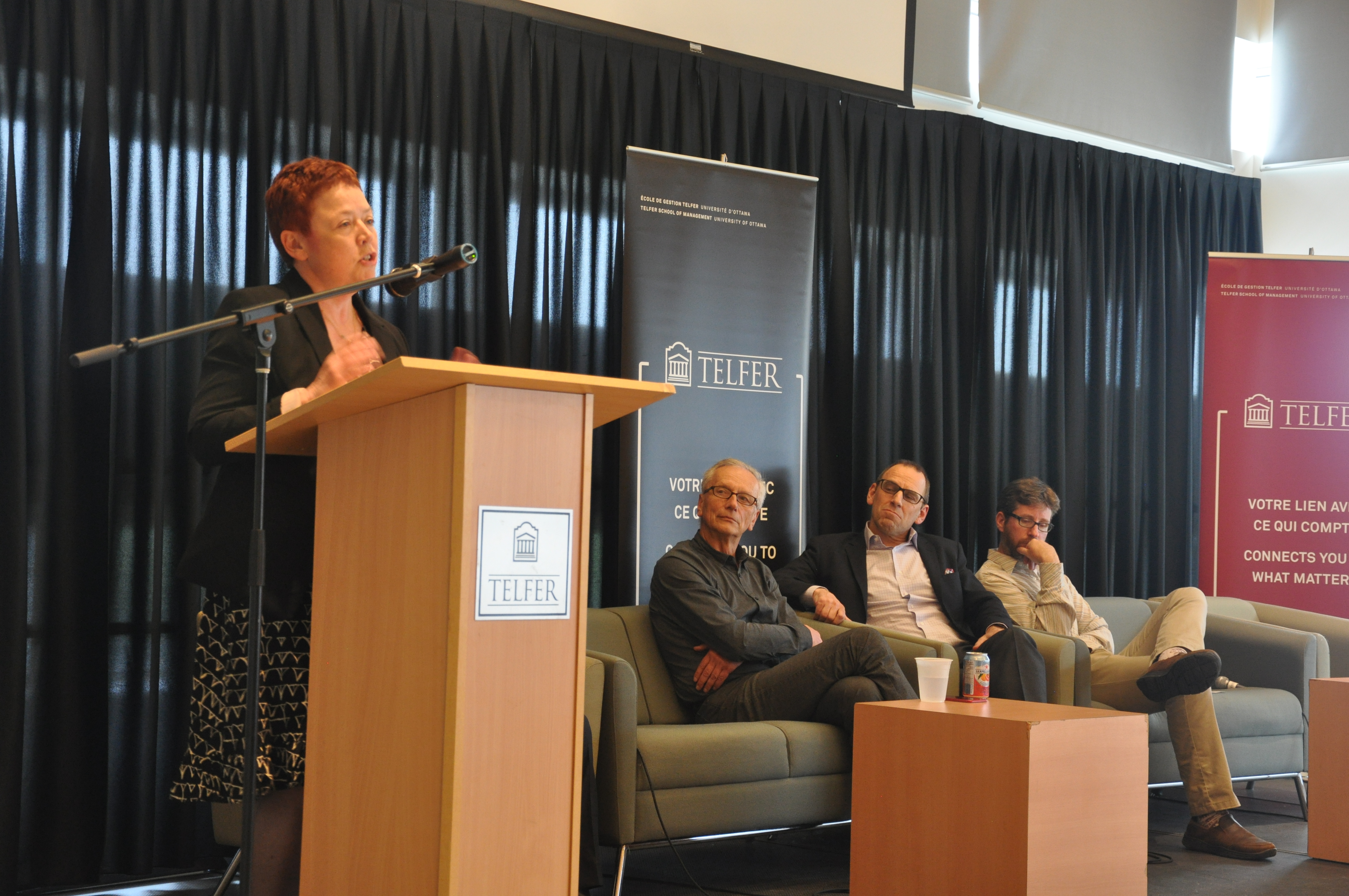
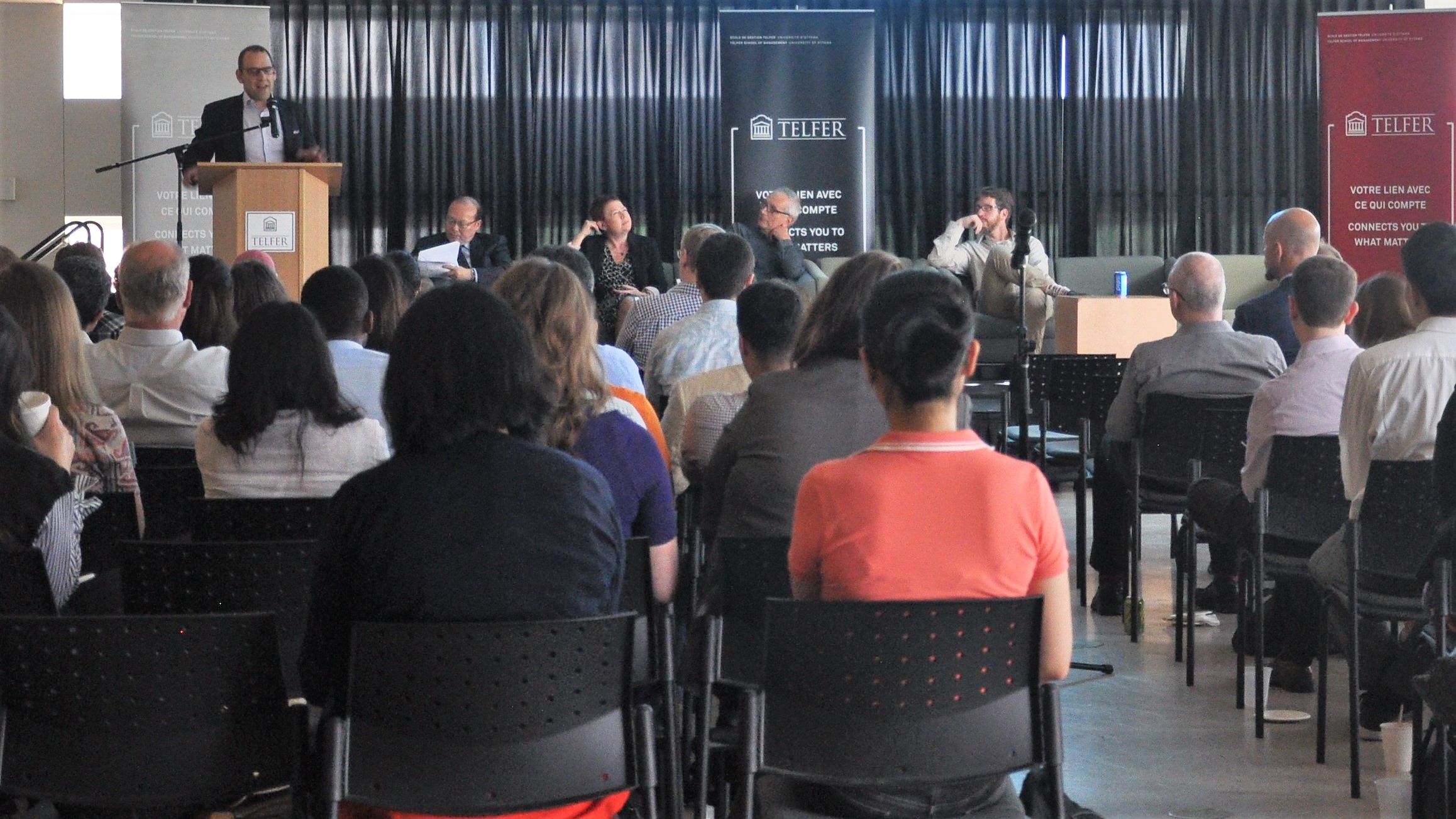
Professor Wojtek Michalowski (Telfer School) tried to debunk some myths about AI in healthcare. He pointed out that AI is not new phenomenon. The first applications of AI in healthcare actually date back to the late 1970s. The current popularity of AI in the media has led many to believe that AI-based systems can be easily installed and managed, which is far from being true. AI methods require a lot of customization and careful organization.
The takeaway of this Telfer Forum is an important message for health organizations: analytics and AI will continue advancing how health services are delivered, but health organizations should err on the side of caution. There are major opportunities so that AI-driven solutions can become a “cure” for many of the challenges that health organizations currently face. However, if health providers, researchers, and the industry don’t work together to implement these technologies as part of larger digital health strategy, these opportunities might turn into a “curse.”
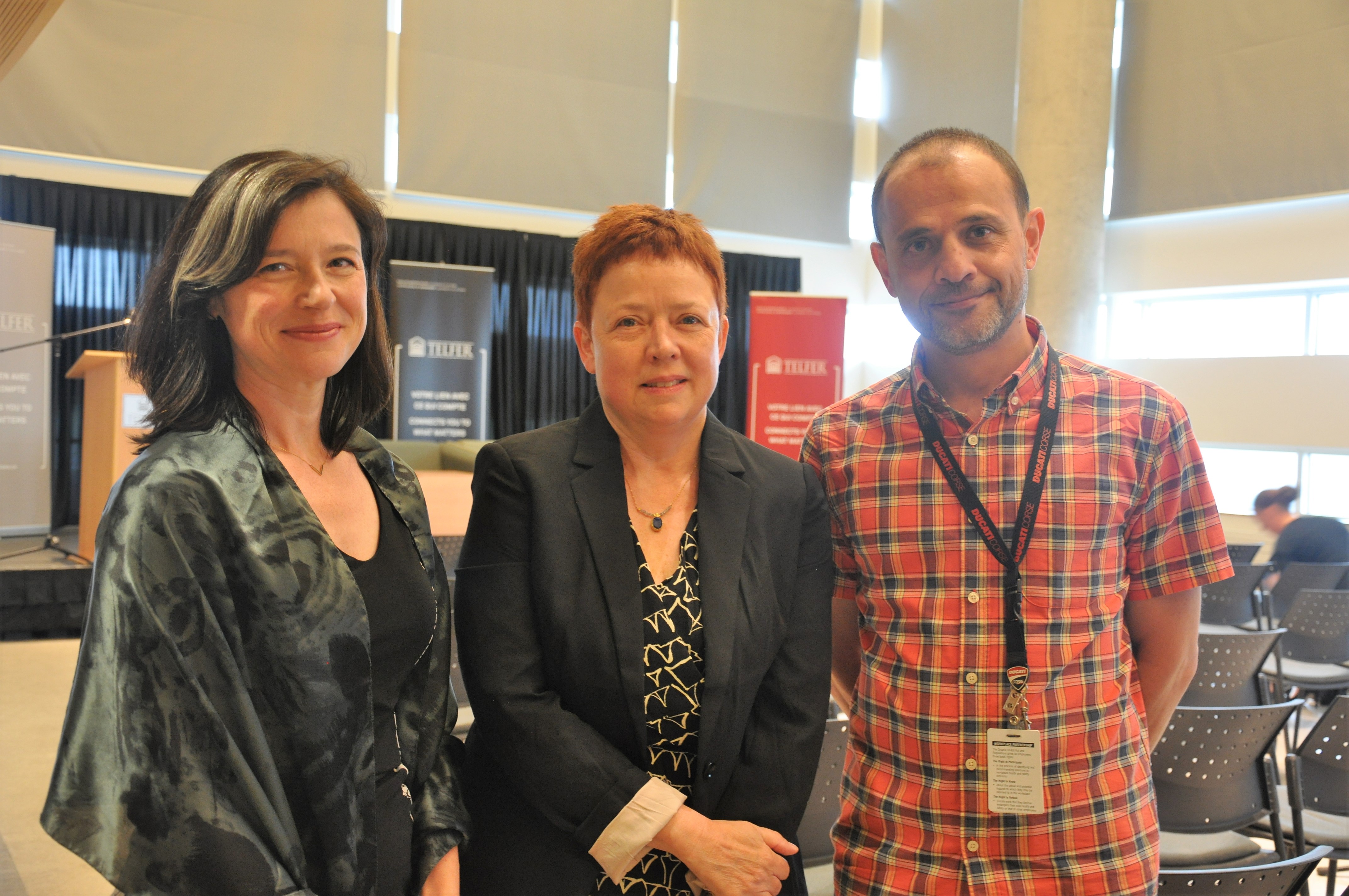

Towards a Digital Platform to Support Innovation and Learning in Health Organizations
The First Interdisciplinary Team to Receive the School of Management Research Grant (SMRG)
Telfer School of Management Professors Lysanne Lessard, Agnes Grudniewicz, and Antoine Sauré are launching a research project entitled “Towards a Digital Platform for Learning Health Systems Innovation.” Their research is the first to win the SMRG Team Grant competition, an initiative created to support collaborative and interdisciplinary research between Telfer faculty members.
Bringing together Professor Lessard’s background in information systems design, Professor Grudniewicz’s research in health services, and Professor Sauré’s expertise in health systems and analytics, the team will look for solutions to support the learning cycle in health organizations in a much more comprehensive way.
Why Learning Health Systems?
Current practice shows that implementing new knowledge (policy, clinical guideline, new treatment, etc.) in the health care system may take approximately 15 years from the “laboratory bench to patient’s bedside”.
“This is a very long time. By the time that clinical and research data are finally turned into new insights and practices, they may be already outdated. Speeding up the cycle of knowledge uptake is fundamental in a system that has so many layers of complexities and challenges,” explains Professor Lessard.
A growing number of physicians, nurses, and other health professionals in North America and Europe are turning to what is called learning health systems (LHS) – a new approach to knowledge uptake that may transform current health care system into one that rapidly and continuously learns and, as a result, improves patient care. LHS initiatives can be created at different levels, from a community of practice to a hospital system.
“These LHS initiatives have shown significant improvements in health outcomes and cost effectiveness in health organizations,” but according to Professor Lessard, “these initiatives often lack the resources and tools that could help health organizations implement new knowledge more efficiently.”

A novel digital platform to support LHS initiatives
Professor Lessard and her team will develop a novel digital platform to support health organizations that want to speed up the cycle of knowledge uptake and organizational learning. The goal of this platform is to guide new LHS initiatives, helping health organizations identify what they want to achieve, who will be involved, and how they will manage and protect their data.
“We hope that the platform will help health teams and health organizations start new LHS initiatives more effectively and efficiently. Overtime, as more information is stored, the platform will become a repository system through which health organizations can learn from other organizations that adopted a similar model and went through similar challenges,” explains Professor Lessard.
At the initial phase of the research, the Telfer School research team will collaborate with their health care partners: “Ultimately health care experts are the ones who understand what their challenges and constraints are. They can help us define the requirements for the digital platform so that such a platform ultimately helps them overcome these challenges.”

An innovative way of supporting community-based care for patients with complex needs
Andrea Ghazzawi
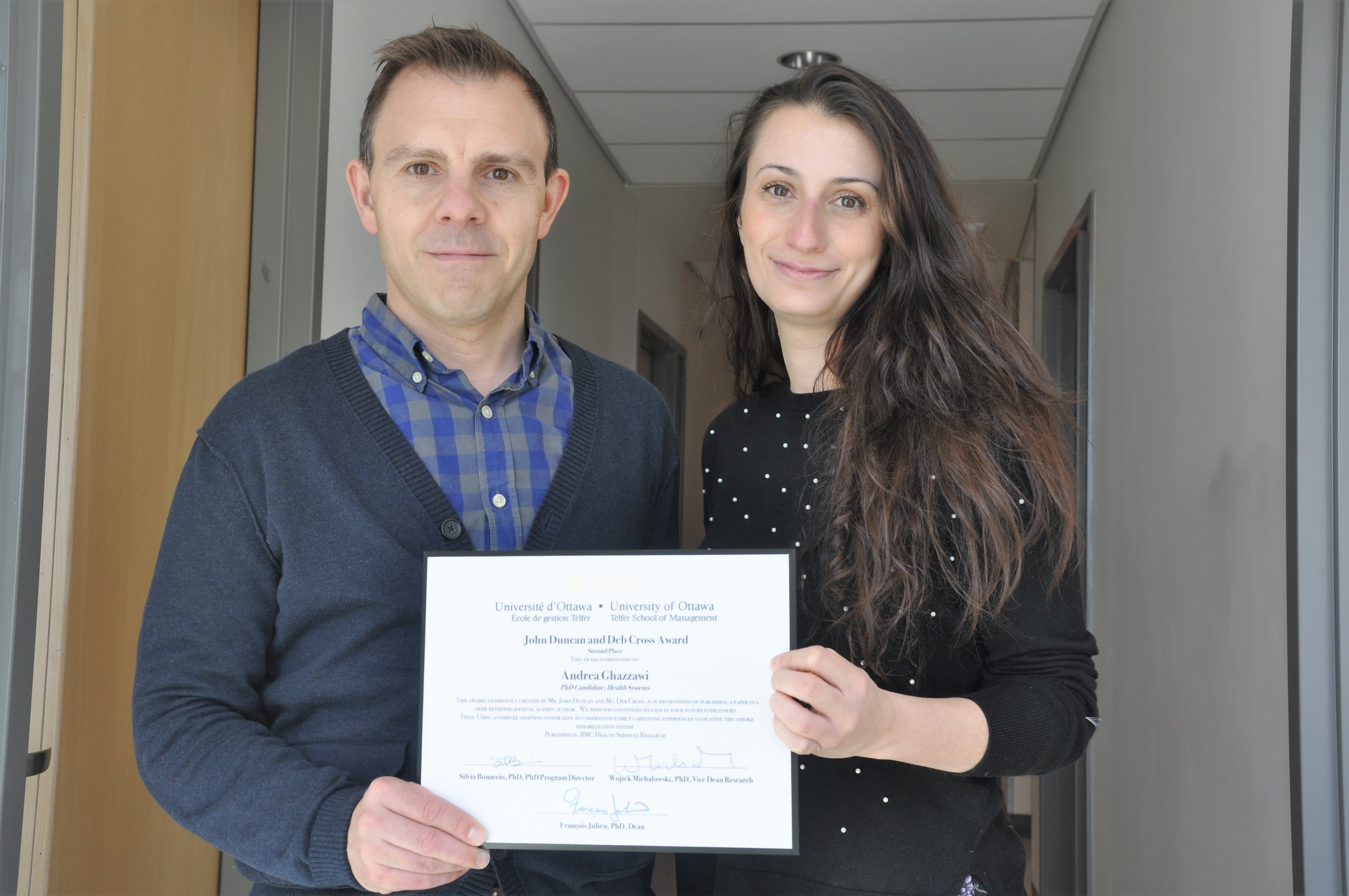
John Duncan and Deb Cross Award – 2nd prize winner
A PhD student in Management (Health Systems specialization), Andrea is interested in healthcare delivery, family caregiving, care transitions, information systems, design thinking, and innovation. Andrea’s love of healthcare research is equally matched by her passion for the culinary arts.
She has received the John Duncan and Debb Cross award for a study published in BMC Health Services Research. Making an important contribution to health systems management, Andrea’s article helps us understand how to transition stroke patients from acute to home-based community care delivery more effectively.
Andrea started developing her study when she was an MSc student in the Health Systems program. Andrea was then supervised by Telfer School Professor Craig Kuziemsky and Faculty of Health Sciences Professor Tracey O’Sullivan.
Andrea’s article is the first to combine an existing model of continuity of care with the field of complex adaptive systems. As such, her study provides an innovative way of supporting the management of community-based care for patients with complex needs.
Moving forward, Andrea hopes to apply the skills and experiences gained in her doctoral studies to a career that will enable her to improve the healthcare system through research.
Publication
Ghazzawi, Andrea, C. Kuziemsky, T. O’Sullivan, (2016). Using a complex adaptive system lens to understand family caregiving experiences navigating the stroke rehabilitation system. BMC Health Services Research.
John Duncan and Deb Cross Award
The John Duncan and Deb Cross Award recognizes two PhD students for the quality and impact of a peer-reviewed publication. Alexander Chung received the first prize.

A valuable and much needed contribution to maternal health services
Caroline Chamberland
Telfer PhD Student Engagement Award recipient
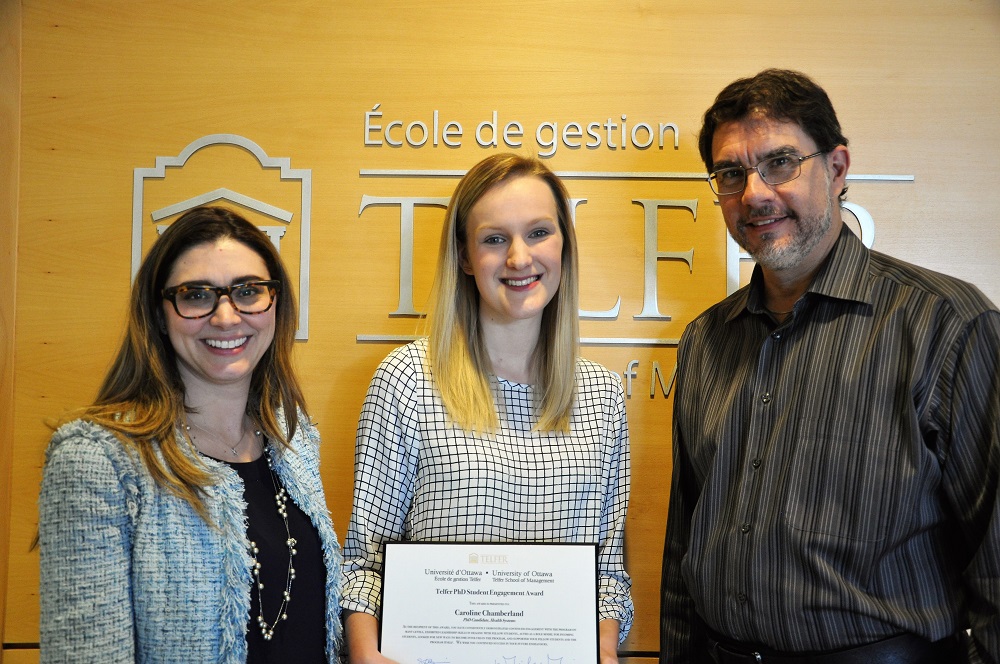
Caroline has received the Telfer PhD Student Engagement Award because of her steady progress in her research and her engagement to promote the graduate program outside of Telfer.
Caroline is currently developing a study that will engage multiple stakeholders involved in the delivery of maternal health services. Among her many professional initiatives, Caroline has been carrying out a research project to develop a planning model of health human resource for the Toronto Central Local Health Integration Network’s Integrated Primary Care Strategy.
Her passion to make a difference in her field has also led her to be actively engaged in the community. Caroline has volunteered as a birth companion for new immigrant mothers in Canada and worked in refugee camps overseas.
Through research, practice, and a strong desire to have an impact, Caroline is trying to make a valuable and much needed contribution to maternal health services in a local and global scale.
Telfer PhD Student Engagement Award
The Telfer PhD Student Engagement Award recognizes PhD students who have acted as role models for other students and demonstrated continued engagement with the program, success in their courses, initiative in applying for scholarships, and steady progress in their research.
.jpg?x=0&y=263&x2=3397&y2=2528)
A model to help businesses manage social media growth
Alexander Chung
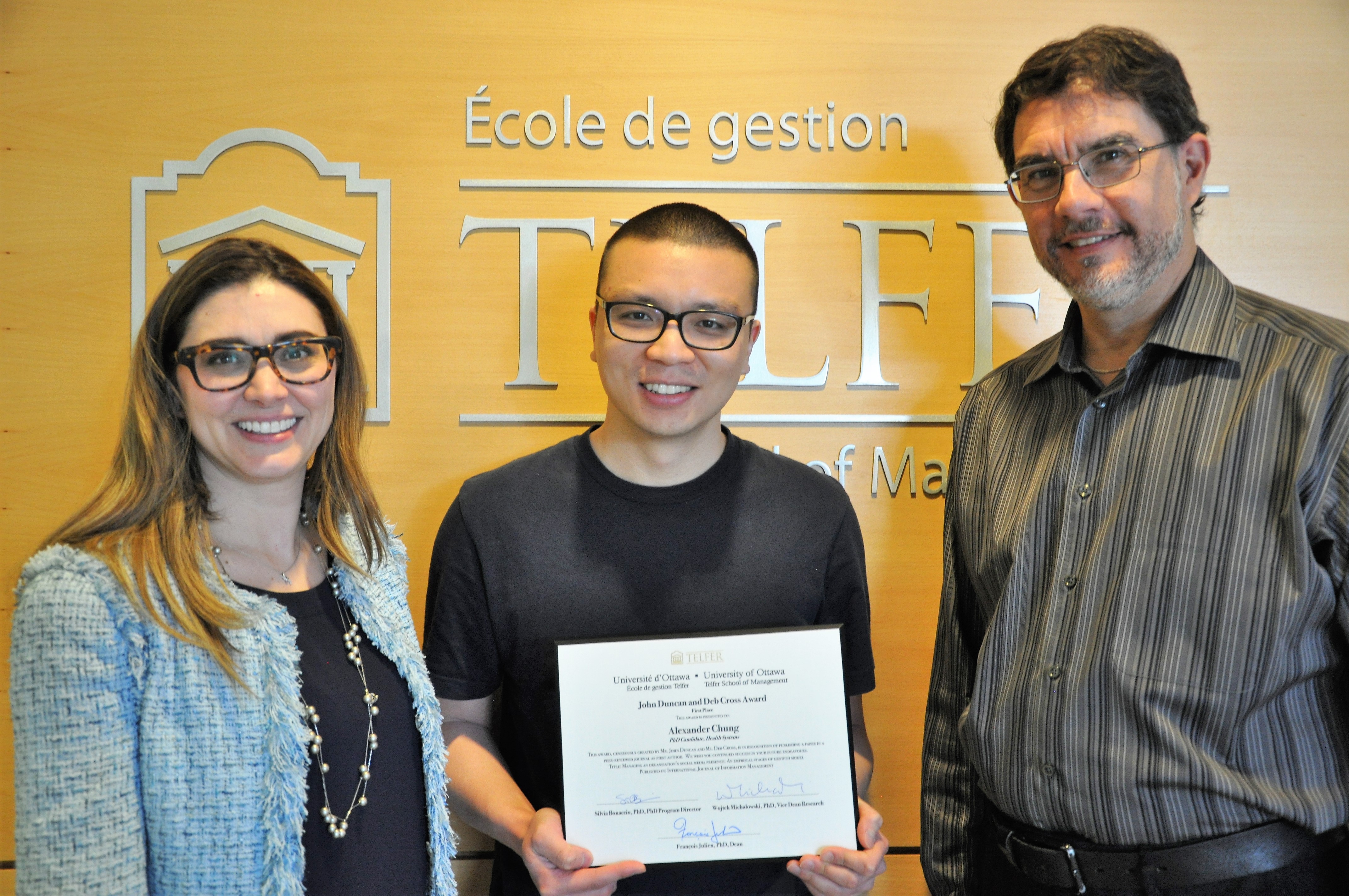
John Duncan and Deb Cross Award – 1st prize winner
Alexander is a PhD candidate at the Telfer School of Management (Health Systems specialization). Besides his interest in applying analytics and management information systems methods to the area of mobile health technologies, Alexander loves travelling, playing volleyball, and riding and restoring his many bicycles.
Alexander is the first prize winner of the John Duncan and Deb Cross Award because of his remarkable contribution as the lead author of an article published in the International Journal of Information Management, an internationally renowned peer-review journal.
In this study, Alexander developed a model that allows organizations to track and compare their social media growth. He is currently developing a follow-up study to examine the most dominant problems organizations face at each stage of social media growth.
As social media have become a valuable tool for organizations to reach their clients, Alexander’s research is very important. His model could help organizations be better prepared to deal with challenges that may arise in their use of social media in the future.
Publication
Chung, A., Andreev, P., Benyoucef, M., Duane, A., O'Reilly, P., (2017). Managing an organisation's social media presence: An empirical stages of growth model. International Journal of Information Management.
John Duncan and Deb Cross Award
The John Duncan and Deb Cross Award recognizes two PhD students for the quality and impact of a peer-reviewed publication. Andrea Ghazzawi received the second prize.