The dark side of forgiveness in the workplace
Unauthentic forgiveness in the workplace
Unfortunately, interpersonal conflict tends to be a common occurrence in many workplaces. Whether intentional or not, our colleagues can often make insulting remarks or behave in ways that offend us. While sometimes subtle, these transgressions can easily spark feelings of injustice and anger. Often times without even realizing it we can spend days, or even weeks, obsessively ruminating over the situation. When we experience such transgressions, is it beneficial to simply forgive the offending party, releasing any negative feelings, and offering him or her a fresh slate?
Decades of Psychology research suggests ‘yes’. Choosing to forgive another’s transgression can mitigate the stress and psychological turmoil otherwise associated with ruminating over offenses. As a result, there is a growing interest in understanding forgiveness in a workplace context. The topic has been covered in influential practitioner publications like Forbes and Fast Company.
Although managers have been encouraged to promote forgiveness both towards and amongst their employees, there is still much to be learned about how forgiveness operates in the workplace. One potential issue with promoting forgiveness in this context is that people can become motivated to forgive a colleague because they think their managers want them to forgive, or they should be a good role model for others, or simply because they can’t continue a project if they don’t forgive. However, there is potential dark side for well-being when forgiveness is motivated by external pressures:
“My colleagues and I refer to this as ‘inauthentic forgiveness.’ With inauthentic forgiveness, a person has consciously made the decision to forgive but deep down, perhaps even unconsciously, they haven’t fully released their negative attitudes towards their colleague,” explains Professor Jane O’Reilly.
What’s the project about?
To better understand why inauthentic forgiveness might occur, and its consequences in the workplace, Professors Jane O’Reilly (Telfer School of Management, University of Ottawa) and Lukas Neville (University of Manitoba) have a launched a research project entitled “Inauthentic and Authentic Forgiveness in the Workplace.” The project has been awarded a prestigious Insight Grant by the Social Sciences and Humanities Research Council (SSHRC).
One of the team’s goals is to define inauthentic forgiveness, and distinguish it from authentic forgiveness. The researchers will also examine how inauthentic forgiveness influences employee wellbeing, productivity, and interpersonal relationships:
“Researchers have shown the positive effect of authentic forgiveness on health and well-being, but we know much less about inauthentic forgiveness, particularly in the workplace. Inauthentic forgiveness may not offer the same documented benefits, and may actually be harmful for employees,” says Professor O’Reilly, the project lead.
Professor O’Reilly and her collaborator will also identify ways in which organizations might accidentally promote inauthentic forgiveness:
“We suspect that a potential irony of being highly committed to and interdependent with one’s team, is that it might actually encourage inauthentic forgiveness when someone is offended. In these circumstances, employees typically feel bad that they are not ‘being a good team player’ by being mad at a colleague. And so they might make the conscious decision to forgive, but deep down the offense is still festering,” she explains.
Who gains?
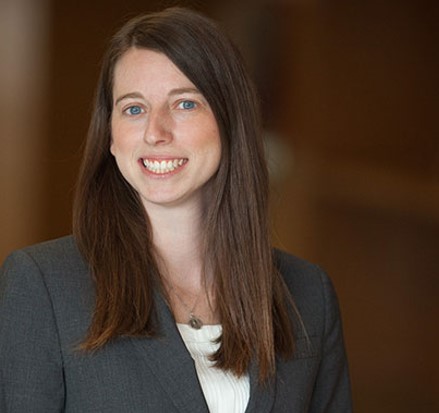
Professor O’Reilly hopes that this research will provide:
- valuable insights into the role of inauthentic forgiveness towards interpersonal conflicts in the workplace;
- practical guidance for practitioners on how to foster authentic forgiveness;
- a more refined perspective on the potential benefits and risks of promoting forgiveness in organizations.
The Telfer School of Management is committed to developing cutting-edge research in a variety of topics in management. As our faculty continues fostering research excellence, the Telfer School community and partners also benefit from valuable insights with impact. Over the next weeks, we will give an overview of the eight research projects that received the prestigious SSHRC Insight Grant in 2018. Click here to learn more about how to apply for a SSHRC Insight Grant.

A voice to accountants and financial statement users
What's this research Project about?
The introduction of the comprehensive income (CI) concept in accounting standards triggered major changes in the field of accounting. Presented after the traditional net income figure, CI is an earning measure that takes into consideration other comprehensive income items (OCI) related to changes in the fair value of specific financial statement elements. Although CI and OCI are now part of accounting standards, we still lack a clear definition of the terms.
“The ambiguity surrounding OCI is a major issue. OCI can have an impact on auditors’ day-to-day practices as these professionals must certify the information contained in financial statements. The uncertainties can also become a barrier for financial statement users such as investors and analysts, who need to understand the information provided by these statements before making their resource-allocation decisions,” explains Professor Sylvain Durocher.
He has been awarded an Insight Grant by the Social Sciences and Humanities Research Council (SSHRC) to examine how auditors and financial statement users perceive CI and OCI in a project entitled “A stakeholder perspective on comprehensive income accounting information.”
What’s the academic impact?
This research project has many academic implications. Scholars have previously used a market-based approach to study the value relevance of CI and OCI information. However, these studies did not explore the perceptions of individual market participants such as auditors and financial statement users. The proposed project fills this gap.
Who gains?
A more comprehensive analysis of how these two stakeholder groups perceive the contentious notions of CI and OCI will provide valuable insights for:
- regulators such as the International Accounting Standards Board whose mandate is to develop international accounting standards;
- auditors who will be interested to know how their peers cope with OCI information;
- financial statement users who will have the opportunity to say how useful this information is for their investment decisions.

"Our study will give these stakeholders a voice in the standard-setting process,” says Professor Durocher.
The Telfer School of Management is committed to developing cutting-edge research in a variety of topics in management. As our faculty continues fostering research excellence, the Telfer School community and partners also benefit from valuable insights with impact. Over the next weeks, we will give an overview of the eight research projects that received the prestigious SSHRC Insight Grant in 2018. Click here to learn more about how to apply for a SSHRC Insight Grant.
2018 Thesis Competition in the National Capital Region
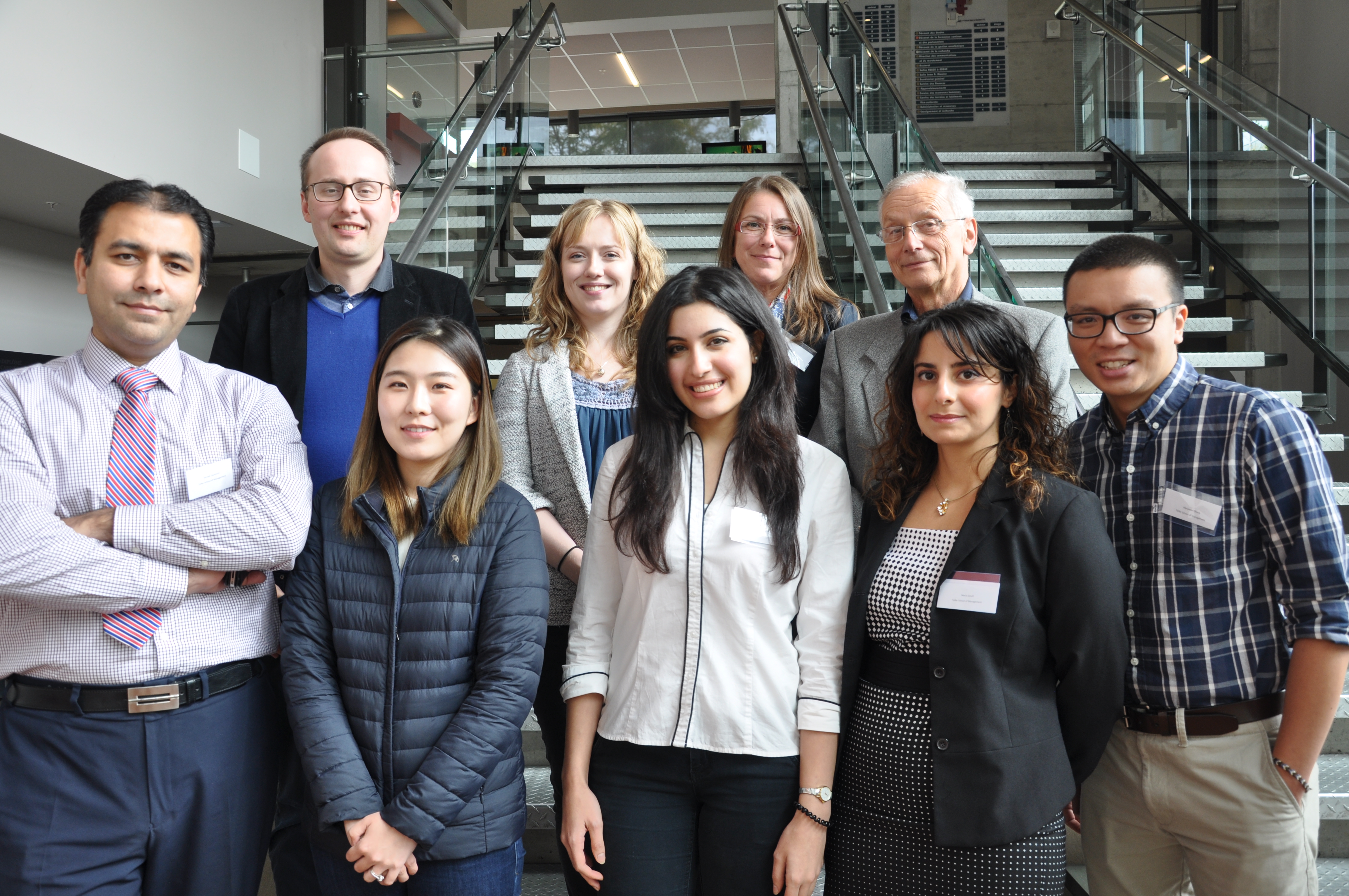
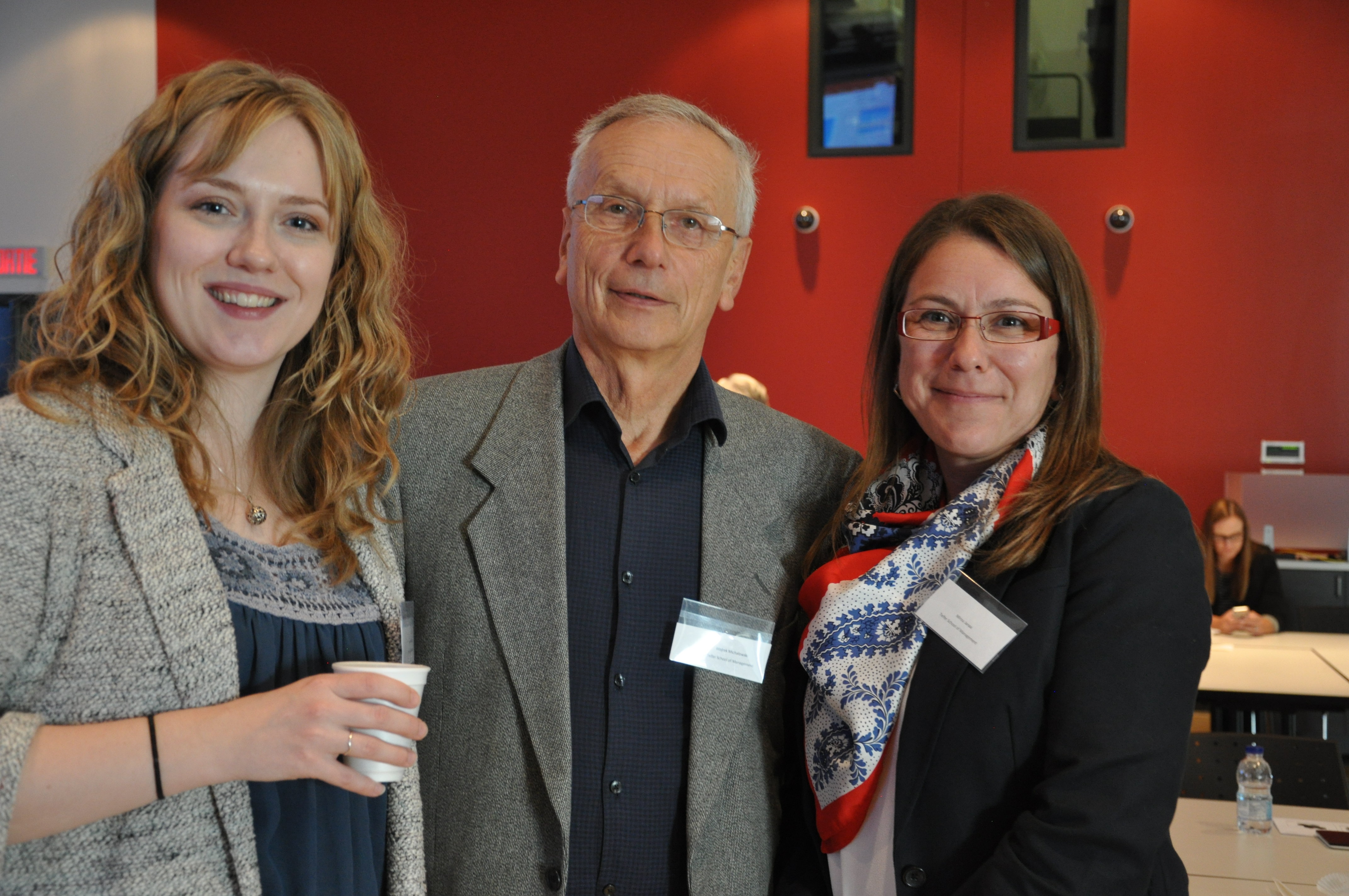
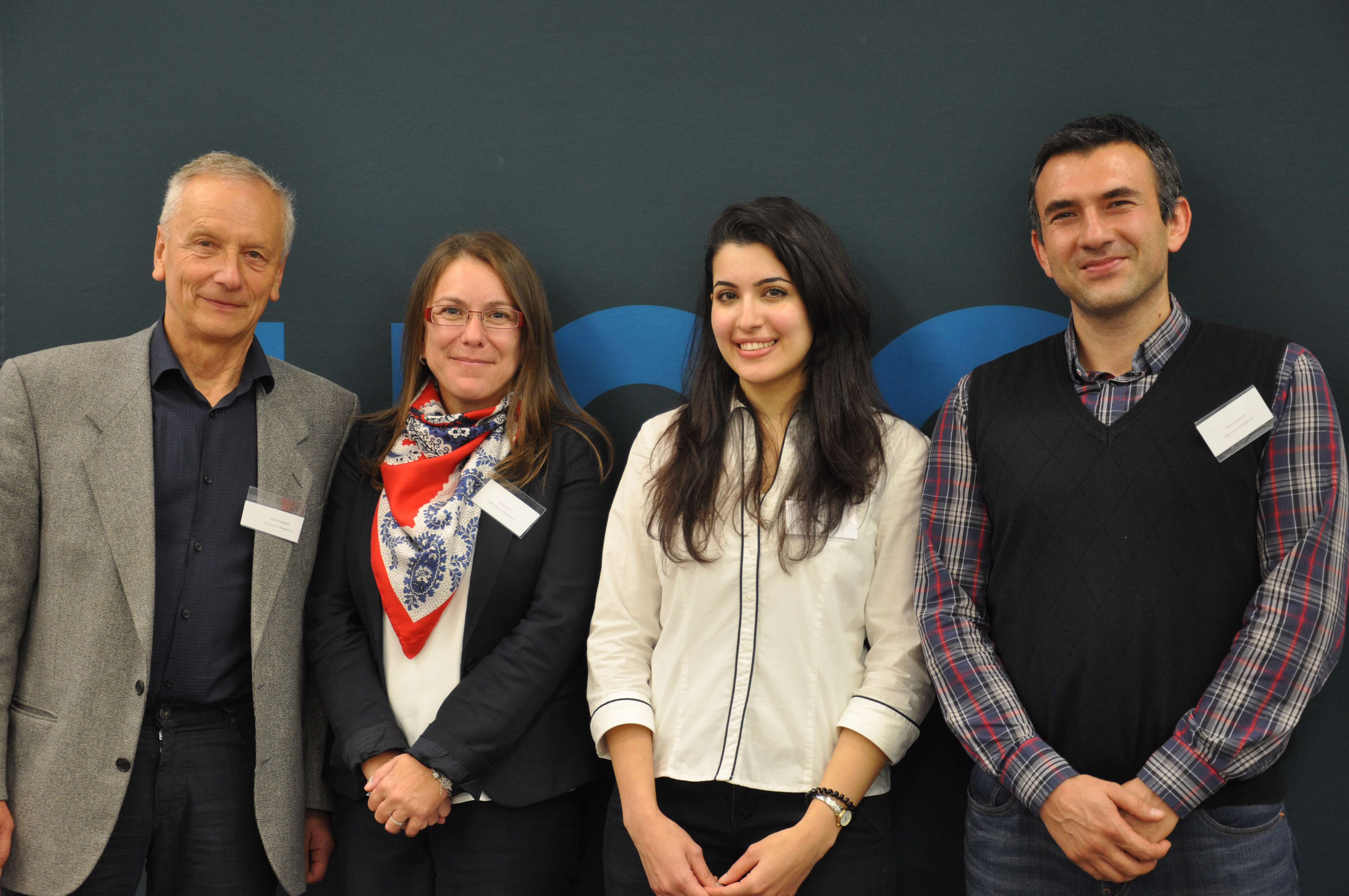
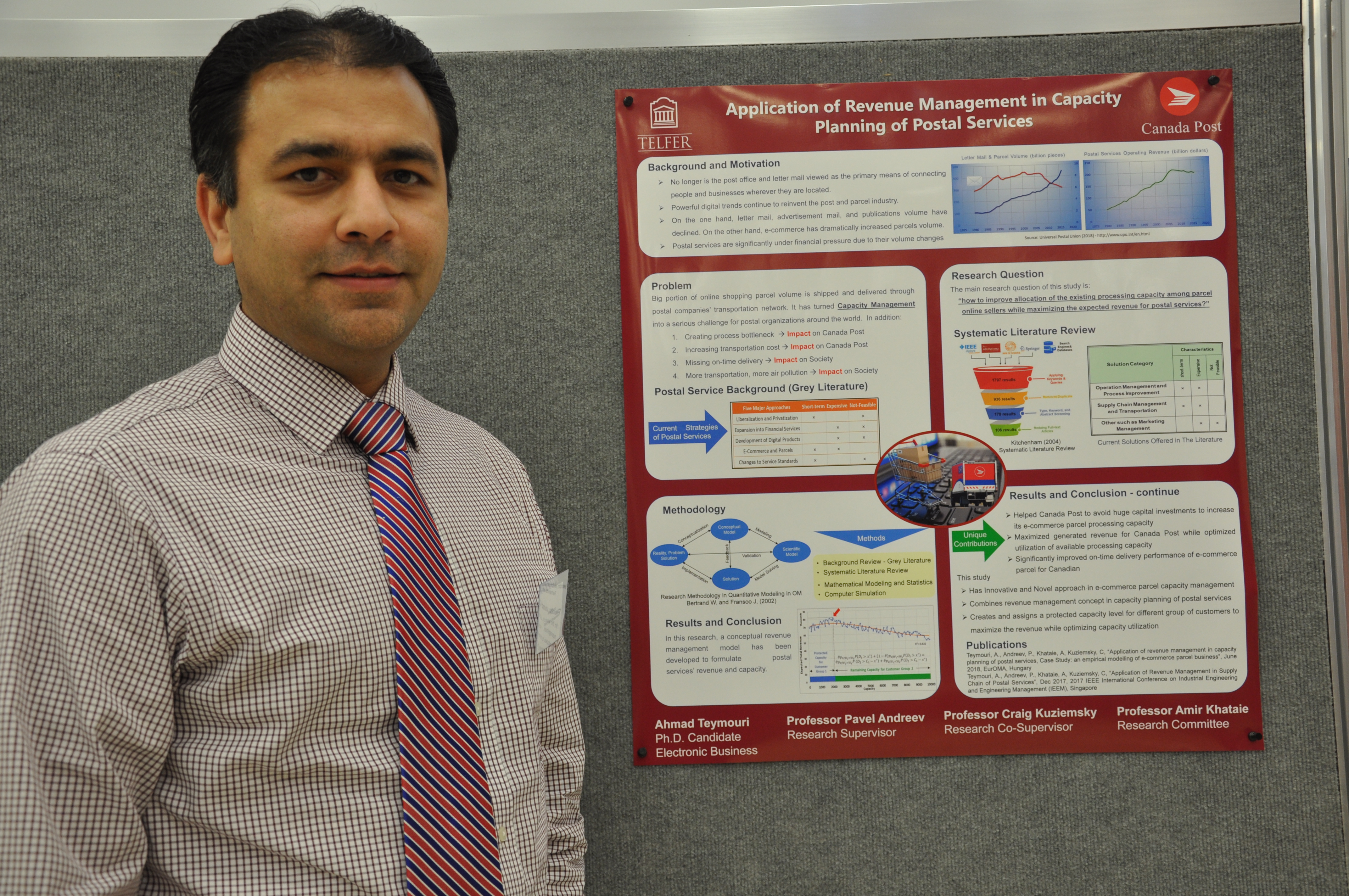
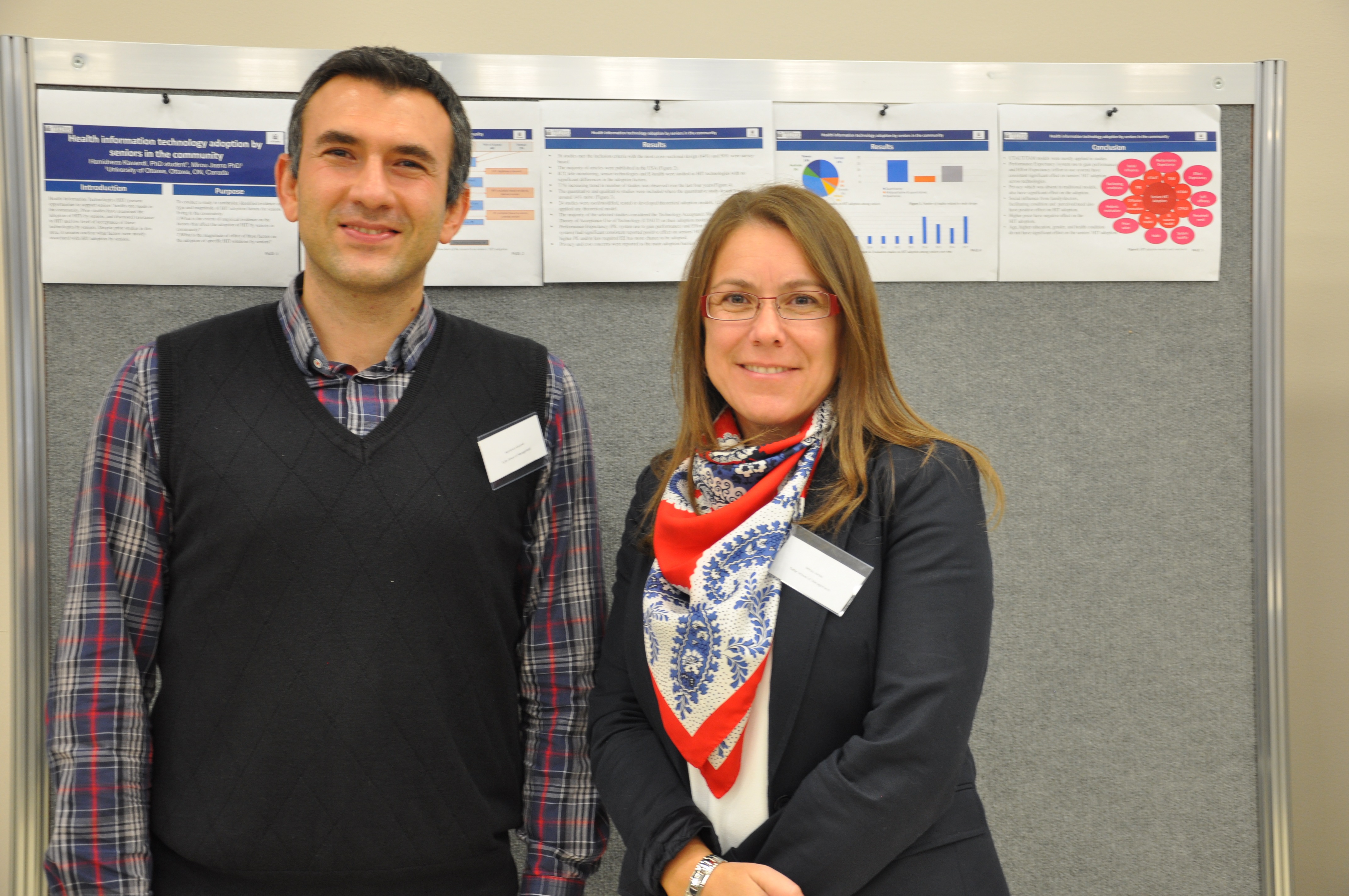
On October 5th, the Université du Québec en Outaouais (UQO) hosted Two Cities, Curious Minds: Management Theses at 3 Universities in the National Capital Region. Organized jointly by the Telfer School of Management (University of Ottawa), the Sprott School of Business (Carleton University), and the Department of Administrative Sciences (UQO), the event provided M.Sc. and Ph.D. students with a great opportunity to showcase their research in 10 minute presentation and a poster session.
Professional advice
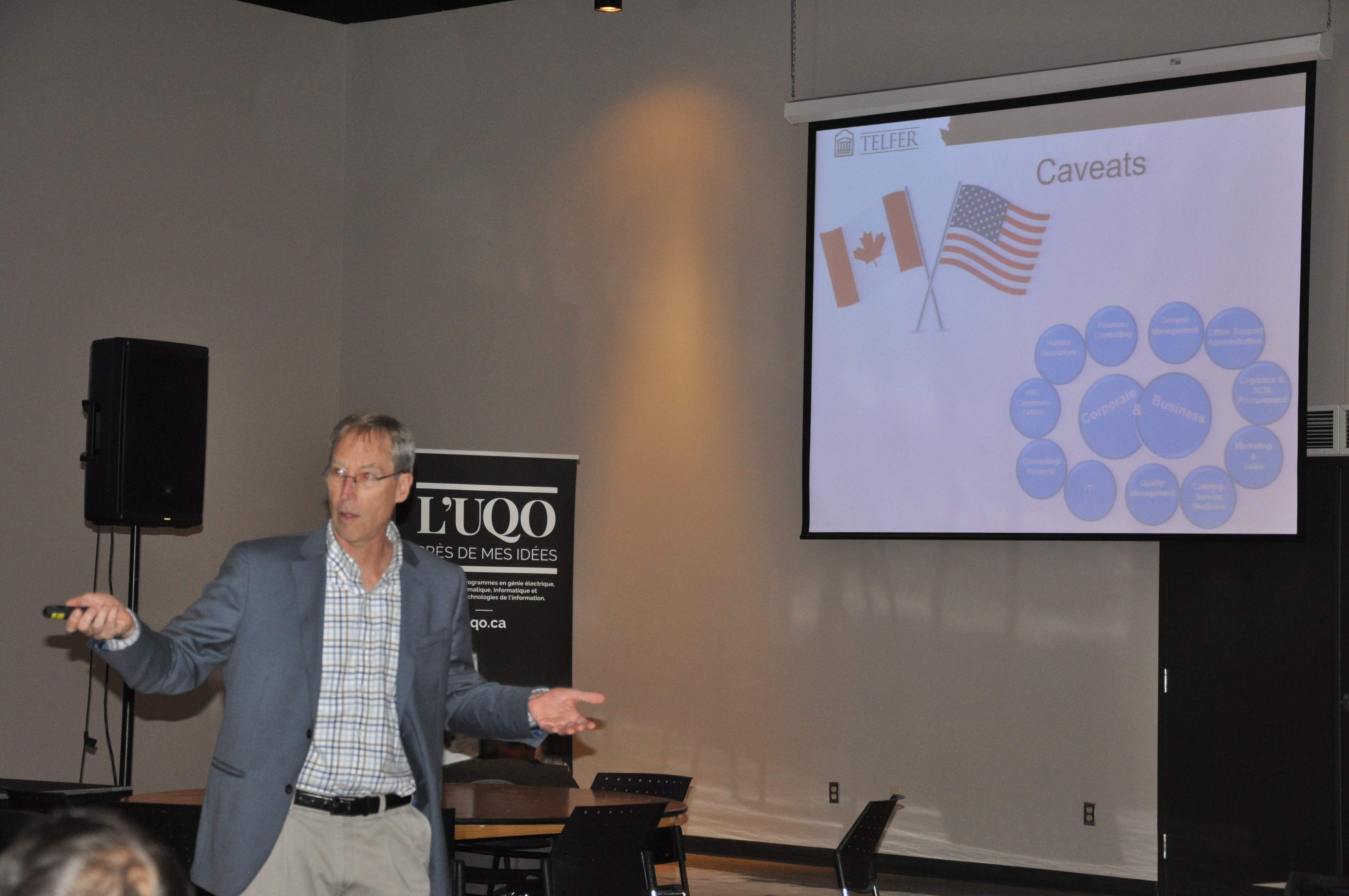
During the event, keynote speaker Jim Combs, Professor at the University of Central Florida, and Visiting Professor at Telfer School of Management shared with the audience some tips regarding how to succeed in an academic career. He also talked about some of the challenges graduate students might face to land a tenure track position and remain productive after securing an academic job.
Telfer School Presenters
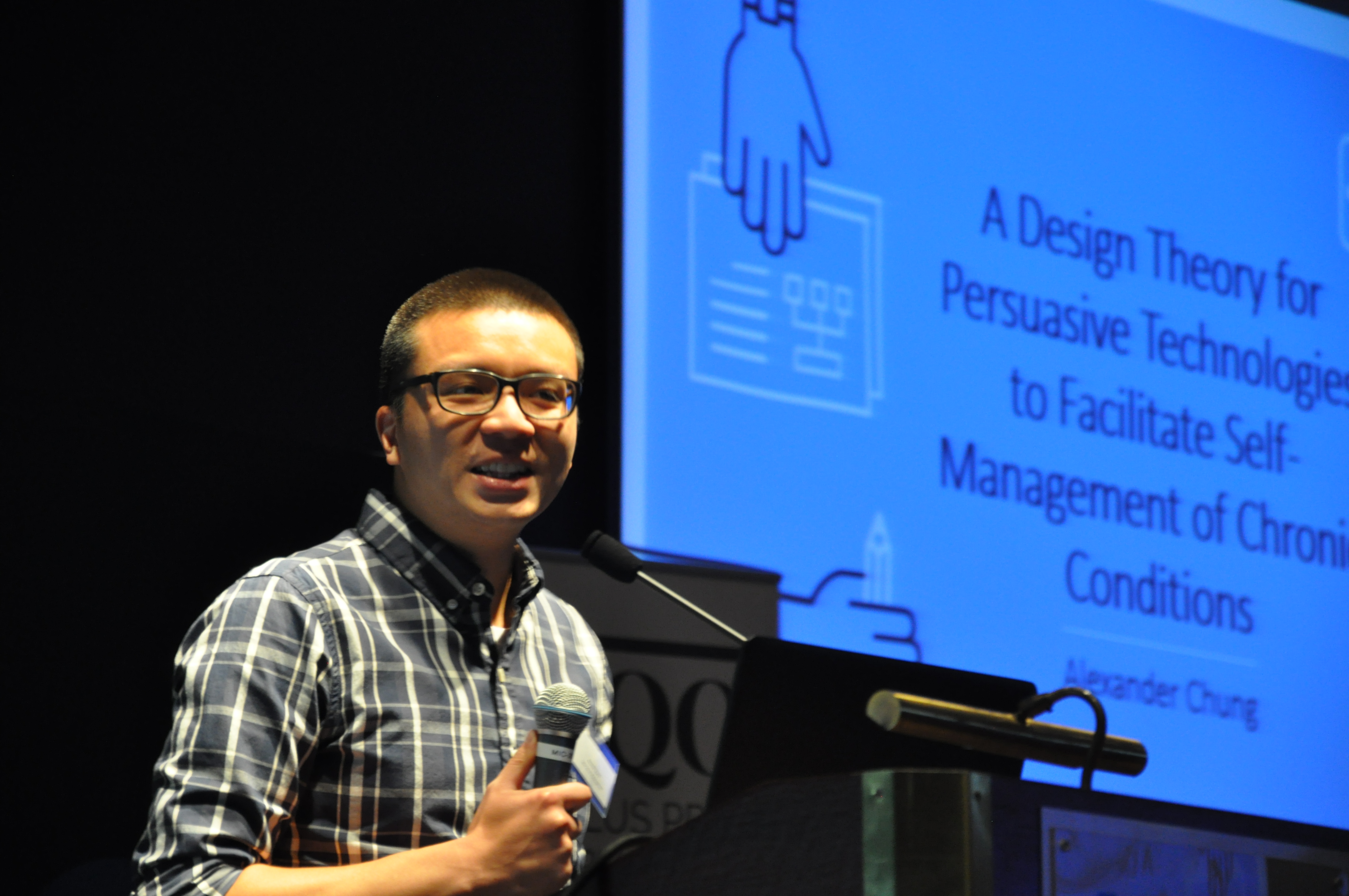
Representing the Telfer School, PhD student Alexander Chung, MSc. student Reem El Attar and recent MSc graduate Maria Syoufi talked about topics in the areas of health and workplace discrimination.
Alexander and Reem agreed that the event helped them understand how important it is for researchers to communicate the value and impact of their work through accessible language:
This competition made me think about the impact of my research and its contributions to society. I’ve learned how important it is to be able to communicate my work to an interdisciplinary audience and emphasize the relevance of my research. The event is also a great opportunity to network with other graduate students and learn about their research.
(Alexander, PhD student)
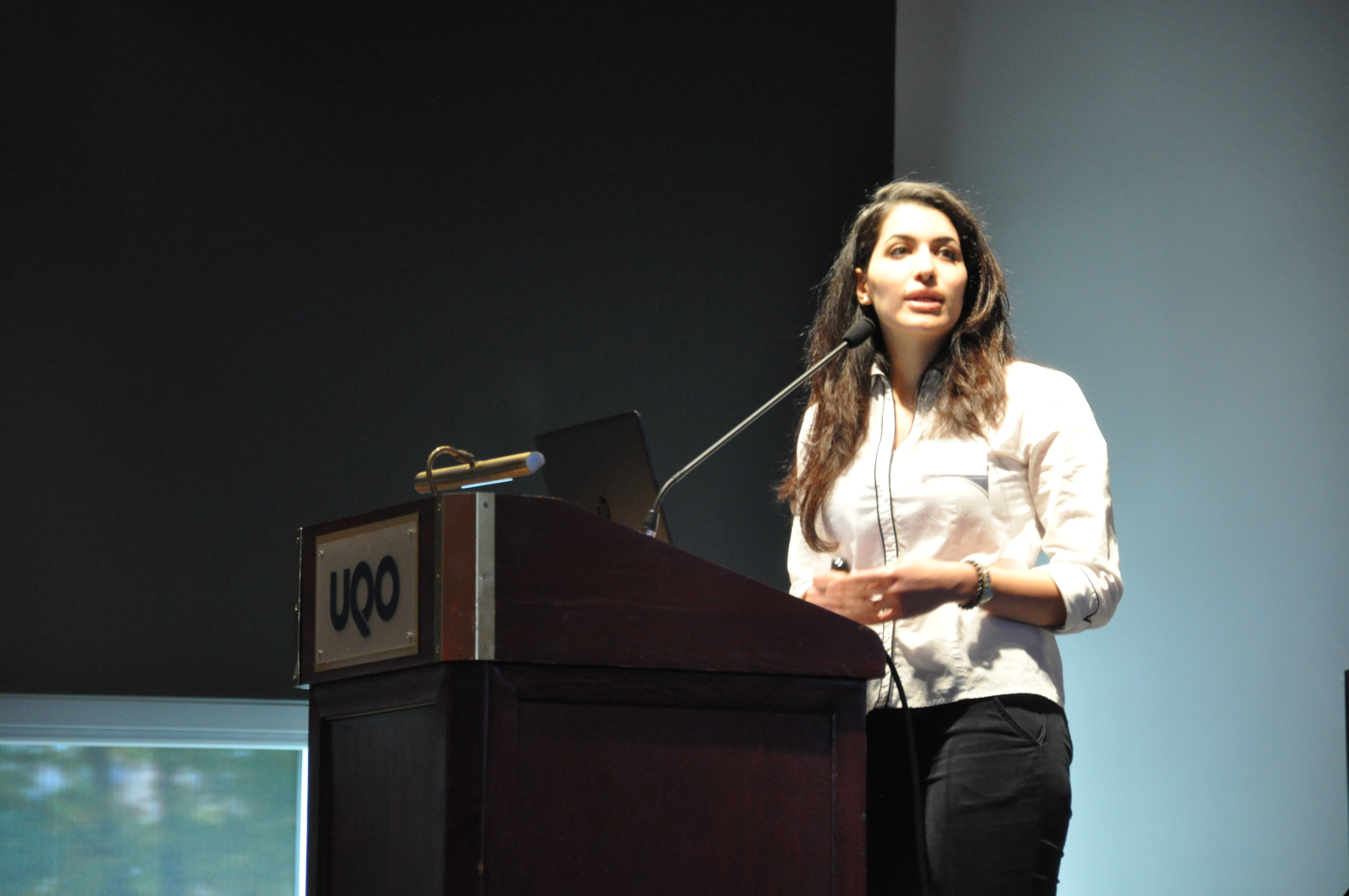
The thesis competition was an extremely valuable experience for me! As an MSc student who is about to propose my thesis research, it helped me solidify my ideas and enabled me to explain my project in simple terms, thus providing me with the preparation and practice I need for my eventual thesis presentation. Most importantly, it gave me the opportunity to receive feedback on my ideas at an early stage. Overall, it was a wonderful learning experience that I would definitely recommend to all graduate students!
(Reem, MSc student)
Congratulations to all the winners!
Thesis competition:
1st prize: Lucille Perreault, Sprott School of Business
2nd prize: Sabrina Azzi, Department of Informatics and Enginnering
3rd prize: Reem El Attar, Telfer School of Management
Poster competition:
Hamidreza Kavandi, Telfer School of Management
Peiwen Gao, Department of Administrative Sciences
The 3rd edition of Two Cities, Curious Minds: Management Theses at 3 Universities in the National Capital Region will be held in October 2019 at the Telfer School of Management. See you next year!

A new initiative to empower women leaders in health
According to a Statistics Canada report, women represent 80% of the workforce in the health sector. Although the majority of health workers are women, the majority of senior management positions are held by men.

“The project’s ultimate goal is to build a strong and supportive community of established and emerging women leaders, helping them transform the health care system through their unique leadership skills, experiences, and contributions,” explains Professor Bourgeault.
One way of doing so is by giving women in the healthcare sector the opportunity to participate in learning labs, networking and leadership training initiatives. The project will host three “learning labs” for women leaders and aspiring leaders in health, health sciences, and Indigenous health. The first lab was held at the Telfer School of Management in Ottawa in June 2018
Here is how established and emerging leaders shared their experiences and skills:
Video credits: Produced by Malcolm Hamilton
Watch the full video featuring Professor Bourgeault’s initiative.
The next learning lab will be held from October 23-25thin London, Ontario and the third learning lab will be held in May 2019 in Sudbury. Learn more about Professor Bourgeault’s research project.
Beyond one-fits-all solutions for health care challenges
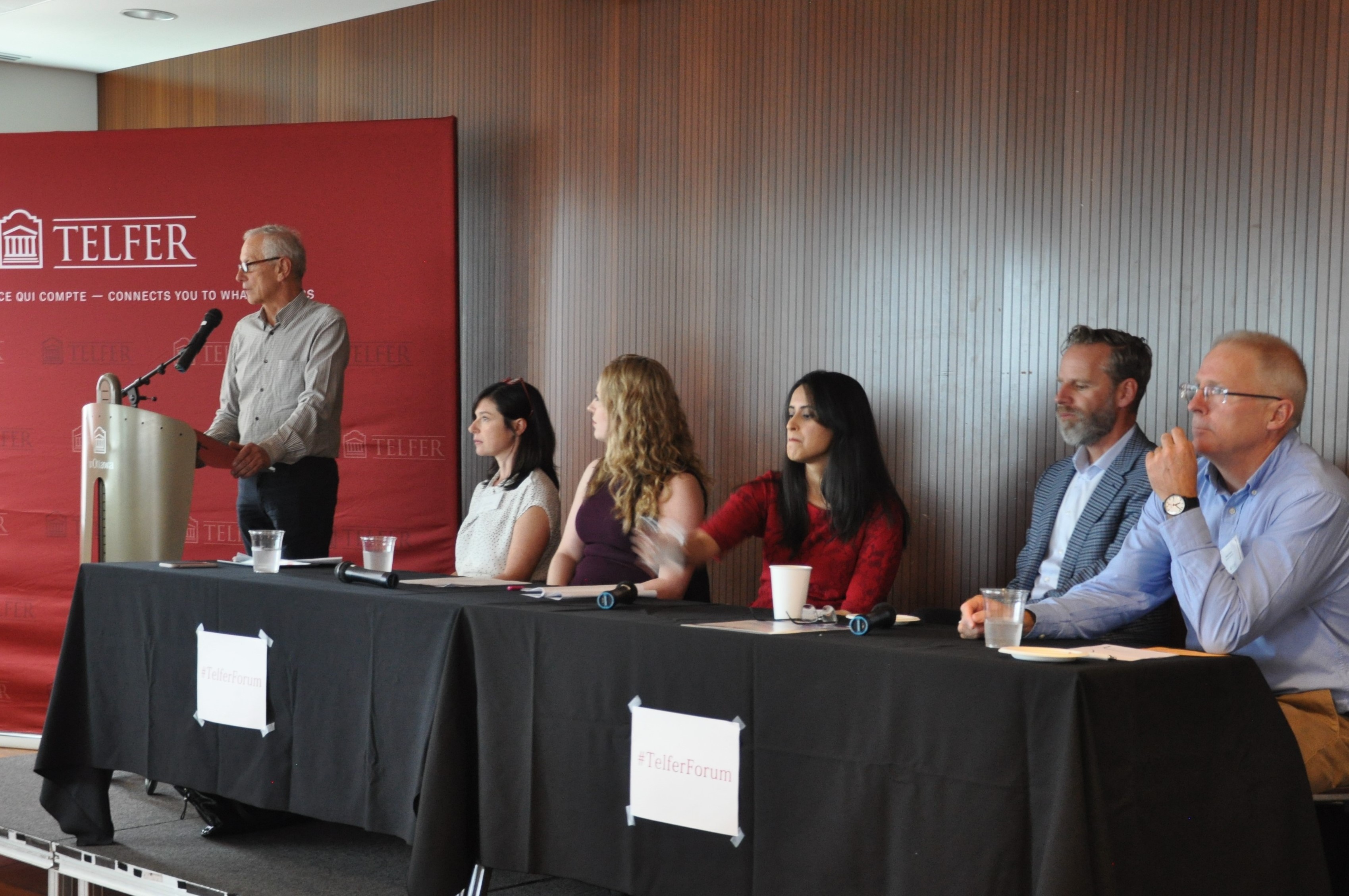
On September 11th, the Telfer School of Management held a moderated panel entitled Embracing Complexity in Health: Leadership and Policy Making in a Complicated System. In this Telfer Forum, academics and health leaders explained why health managers should avoid looking for simplistic solutions to overcome the challenges of health systems.
Agnes Grudniewicz (Assistant Professor, Telfer School of Management, University of Ottawa) started the panel with an introduction to some of the theories on complexity and explained how complexity thinking can benefit health organizations.
Robert Geyer (Professor, Lancaster University) explained that “complexity thinking” is not simply a fancy label. Complexity thinking gives health organizations the critical mindset to question easy answers and solutions to a very challenging l system. He shared, “health managers often have to make difficult decisions about which program to prioritize given their limited resources. What’s more important? A program to support care for premature babies or cancer patients? We need to understand there is not an easy way to find the sweet spot.”
Jenna Evans (Staff Scientist, Planning and Regional Programs, Cancer Care Ontario) emphasized the important role leadership plays in health organizations. Approaching the health system as complex also requires a different type of leadership: “one that doesn’t impose, but this however doesn’t mean health managers have to turn on auto pilot and let the system evolve and self-organize. We are talking about a leadership style that that facilitates and supports change in an evolving and constantly changing system.
Akos Hoffer (CEO, The Perley and Rideau Veterans’ Health Centre) closed the panel by sharing with us the reality of leading an organization in a complex health system. He discussed the importance of innovating and taking risks. He also shared some of his journey in helping tackle challenges around the specific needs of alternate level of care patients and frail seniors.
.JPG)