The Humans of the Triple I Lab shines the spotlight on graduate and undergraduate students who are conducting research in the Triple I Lab. We are pleased to introduce you to Abishan and Anima, undergraduate students in Computer Science and Software Engineering. They are helping Nina and other PhD students and researchers conduct research on multiple topics such as stress and predictability and emotions.
How did you become a research assistant/co-op student at the Triple I Lab?
Abishan: Originally, I had almost no experience working with research, but I came across this position and I was interested in the research technologies this lab possessed. I found this position through the COOP portal and applied for it. I was offered the position after an interview. I have learned a lot about human behavioral interactions in the Triple I Lab.
Anima: After my previous co-op in software development, I realized that I wanted to explore research more and gain experience in a lab environment. I started looking for research-related co-op opportunities, and I found the opening for a co-op student position at the Triple I Lab through the University of Ottawa co-op portal. The role seemed like a great opportunity to combine my technical background with research, so I applied.
What is the research project you are helping with?
Abishan: We are helping Nina with using BIOPAC Electrocardiogram, Electrodermal Activity and the Respirator to measure changes in stress and predictability. We are also doing our own project to build an Interview Coach that uses BIOPAC and iMotions Face Software, and building a machine learning algorithm that gives the participant constructive feedback on their interview skills.
Anima: I am involved in two main projects of research support. First, I help Nina with her research project by preparing BIOPAC equipment, supporting the technical setup, and troubleshooting any technical difficulties during the research process. In addition, I am working with another co-op student, Abishan, on a project related to stress, confidence, nervousness, and concentration during job interviews. We are analyzing data collected through iMotions using Python tools such as pandas for data cleaning and organization, and scikit-learn for machine learning. The goal is to explore whether this data can be used to understand interview performance and eventually provide feedback on areas such as confidence, nervousness, and possible improvements for future interviews.
What are your main tasks?


What do you like most about being a research assistant/co-op student?
Abishan: I enjoy working with all of the technologies this lab has to offer. Originally, I had little experience with research, or working with any of these softwares, so there is a lot I have learned about researching, and human behavior.
Anima: I really like the hands-on experience I get from working in the lab. I am able to learn new tools and technologies, such as BIOPAC and iMotions, while also applying technical skills that I have learned in class, especially programming and data analysis. I also like that the work combines both research and technology, so I am not only helping with experiments but also understanding how data can be used to study human behaviour.
If you had to give one key piece of advice to undergraduate students interested in research and the types of technology we have in the lab, what would you say?
Abishan: My advice would be to step outside your comfort zone and apply even if you feel underqualified. Research is one of the best ways to learn practical skills, work with advanced technologies, and discover new interests.
Anima: My advice would be to not feel intimidated by the technology at first. Tools like BIOPAC, iMotions, Tobii, and FaceReader can seem complicated when you first see them, but the best way to learn is by testing them, making mistakes, and asking questions. Research is not about knowing everything from the beginning; it is about being curious, patient, and willing to learn step by step.
What’s your favorite spot or piece of equipment in the Triple I Lab, and why?
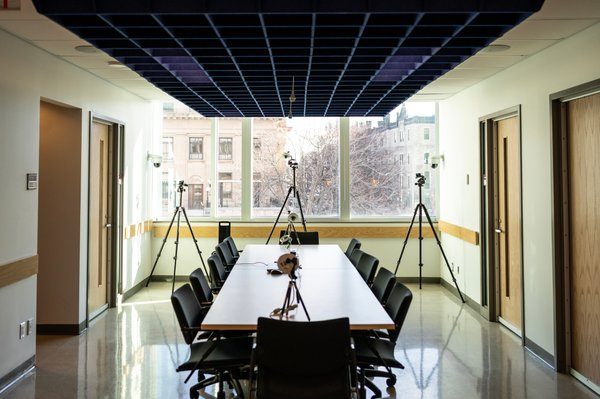
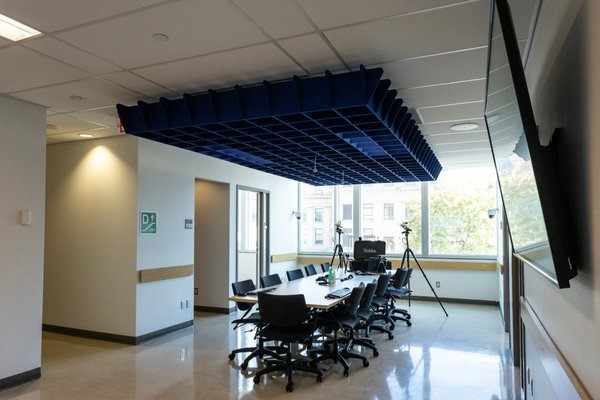
Abishan: My favourite spot in the Triple I Lab is the boardrooms. It is a great place for hosting meetings and working with others. The view outside the window is also nice, which I can never get tired of seeing, and it provides a lot of natural light. I like working with iMotions software, which can look at your face and determine emotions, and confidence.
Anima: My favourite spot is the boardroom because it has a great view, and I can work there with my colleagues while enjoying the sunlight. My favourite piece of equipment is BIOPAC because it is interesting to set up and use. I like how it can collect different physiological signals, and it is exciting to see how those signals can be connected to things like stress, nervousness, or concentration.