The Humans of the Triple I Lab series shines the spotlight on graduate and undergraduate students conducting research in the Triple I Lab. Meet Nina, a PhD candidate in Management at Concordia University. Nina’s research examines how predictability shapes the way employees experience work-related stress. Drawing on her background in neuroscience (BSc) and management (MSc), she takes a multi-method approach to studying stress appraisals, including physiological measurement in the laboratory.
Why did you decide to pursue your PhD?
I pursued my PhD for fun and for career opportunities! I study work-related stress, resilience, and burnout, all topics that I am exceptionally passionate about. Getting to read, write, and speak about topics that I love every day is an incredible privilege. Another important factor was career opportunities; every career that interested me when I was applying, academic or otherwise, benefitted from the qualification and skills gained during a PhD.
What is your research about?
I study stress appraisals – why the same stressor can feel like an exciting challenge to one person, or at one time, and a hindrance in another. My work seeks to identify what conditions drive different appraisals. In my PhD dissertation, I’m examining the role of predictability, looking at how having or not having advanced knowledge of job demands impacts appraisals. My master’s thesis looked at a similar question through the lens of leadership, examining how transformational leaders impact employee experience of stress.
What sort of impact will your research findings have?
My research helps us understand how to make work a better experience. Feeling challenged at work, rather than hindered, is associated with greater motivation, satisfaction, and well-being. My work adds a clearer picture or when and why our experiences of work vary. If predictability is a condition that tips appraisals from hindrance to challenge, that’s something organizations can act on through how they structure roles, communicate expectations, and manage change.
An important caveat: demands appraised as challenges are still stressful and costly, so we can’t pile on workload under the guise of providing opportunities for “growth.” Instead, my research insights help us create conditions where the demands people already face feel meaningful and manageable, rather than arbitrary and overwhelming.

What brought you to Telfer/UOttawa?
I did my MSc Management at Telfer and am now at the John Molson School of Business, Concordia for my PhD in Management. I'm grateful to still be connected to Telfer through the Triple I lab, which I'm currently using for my research.
What do you love most about being a PhD student?
The amount of variety of work that you do as a PhD student, reading, writing, data collection and analysis, teaching, attending talks or conferences. While sometimes you will do the same thing for long stretches, it is never long before you move on to something else and there is always something new to learn.
What advice do you have for others thinking about pursuing a PhD/MSc?
Choose a good supervisor and learn how to write.
Your supervisor is the most important decision you will make, more so than the school or the program, because you will work so closely with this person and for so long. You want someone who is genuinely interested in your development and who you will enjoy working with.
Writing is an invaluable skill in your PhD. You’ll develop it as you go, but it’s also worth investing some time to learn how to write strong grant applications and communicate your research effectively by reading books on writing and attending workshops. This will help you gain more opportunities, funding, and get you to conferences.
What’s your favorite spot or piece of equipment in the Triple I Lab, and why?
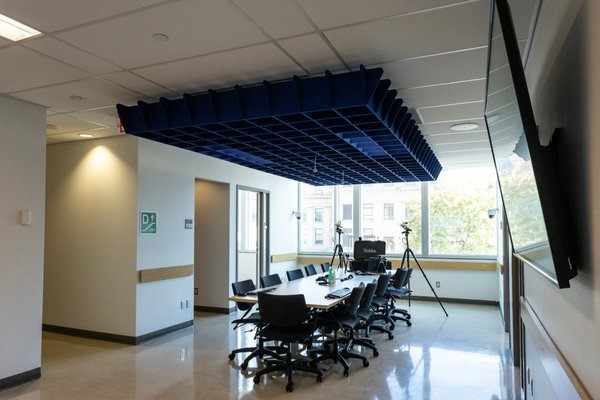
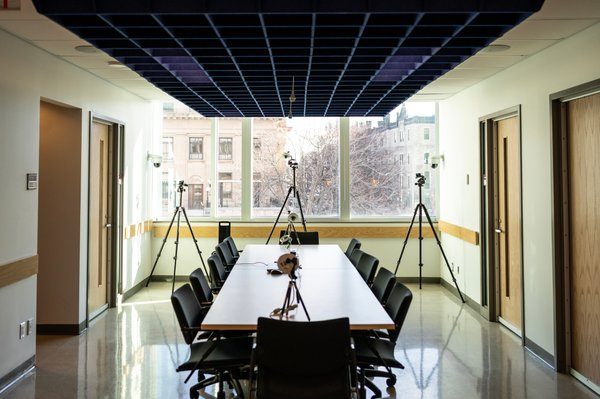
I use BIOPAC to capture real-time physiological data (ECG, EDA, and respiration) while participants complete experimental tasks. What I love about it is that it lets me go beyond self-report: rather than just asking people how stressed they feel, I can actually see how their body is responding in the moment. For my dissertation research on workplace stress appraisals, that means I can examine how different patterns of job demands register in the body.