Making health technology work in the real world: Meet new professor Marta Kersten-Oertel
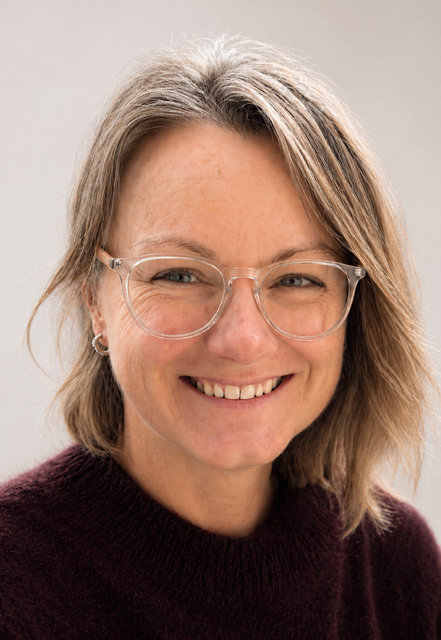
Marta Kersten-Oertel was hired over the summer as an associate professor in business analytics and information systems at Telfer. Her research focuses on artificial intelligence, extended reality and health-care technologies that support clinical decision-making and patient care. We interviewed her to learn more about her research interests and how digital innovation can help shape the future of health care.
Why did you choose to study business analytics and information systems? Was there any personal motivation behind your research interests in this area?
My background is in computer science and biomedical engineering, but I’ve always been interested in what happens when technology meets the real world. Working with clinicians made me increasingly curious about why some promising technologies make it from bench to bedside while others don’t. This led me to study how people interact with AI and digital health technologies, and how we can translate innovation into meaningful impact for patients and health-care providers.
How does your PhD training inform your current research?
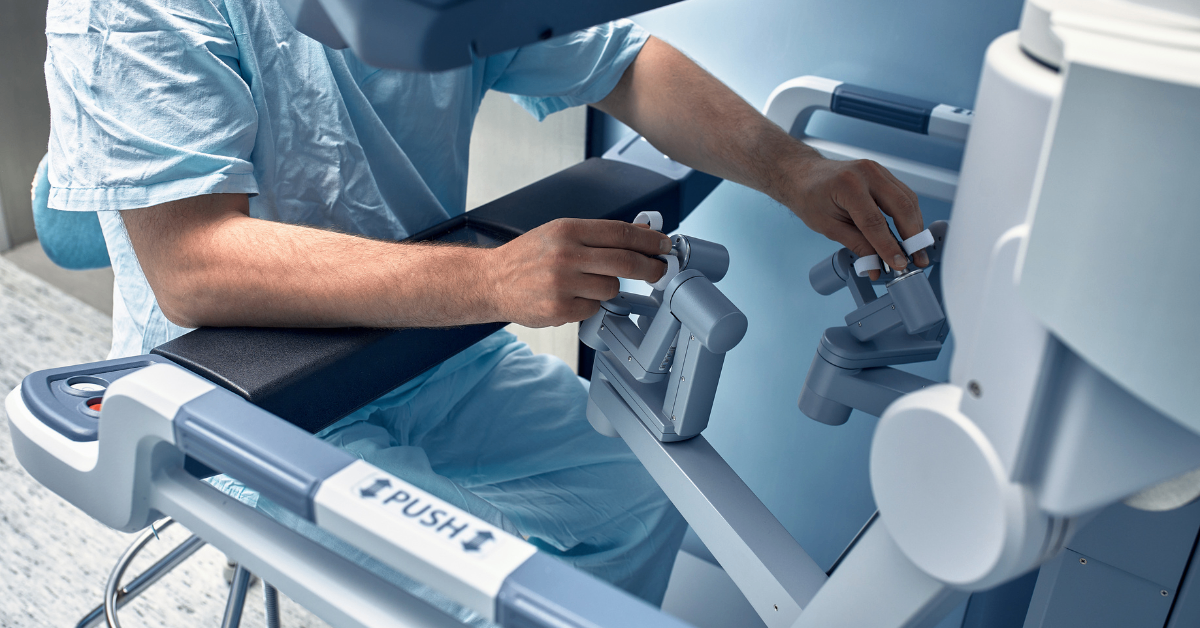
My PhD focused on developing augmented reality technologies for neurosurgery. Working directly with neurosurgeons taught me that even the most technically sophisticated system will only have an impact if it works for the people using it and fits the realities of clinical practice. That experience continues to shape my research today, from developing new AI and digital health technologies to understanding how they can be successfully translated into real-world use.
Do you have any new research highlights to share? Are there any new projects that you’re excited about?
I’m particularly excited about developing accessible digital health technologies that can bring advanced health care beyond specialized hospitals to bedside, remote and lower-resource settings. One of our current projects combines augmented reality on everyday mobile devices with low-cost portable ultrasound devices to guide life-saving brain catheter placement. More broadly, we’re exploring how emerging technologies can make advanced health care more accessible while remaining practical, affordable and easy to integrate into clinical practice.
How can your research influence business communities in Canada?
Canada produces outstanding health and AI research, but turning promising technologies into widely adopted solutions remains challenging. My research focuses on this translation gap by understanding how technologies should be designed for the people who use them and what enables their adoption in practice. These insights can help health technology companies, health-care organizations, clinicians and innovators develop solutions that are usable, scalable and capable of creating real value.
Across Canada, non-profit sport organizations are the backbone of community life. They run hockey leagues, swimming programs and youth fitness initiatives that keep millions of people active and connected.
Despite growing investment in health-care technology and data systems, the tools to manage patient flow and allocate clinical resources have trailed behind.