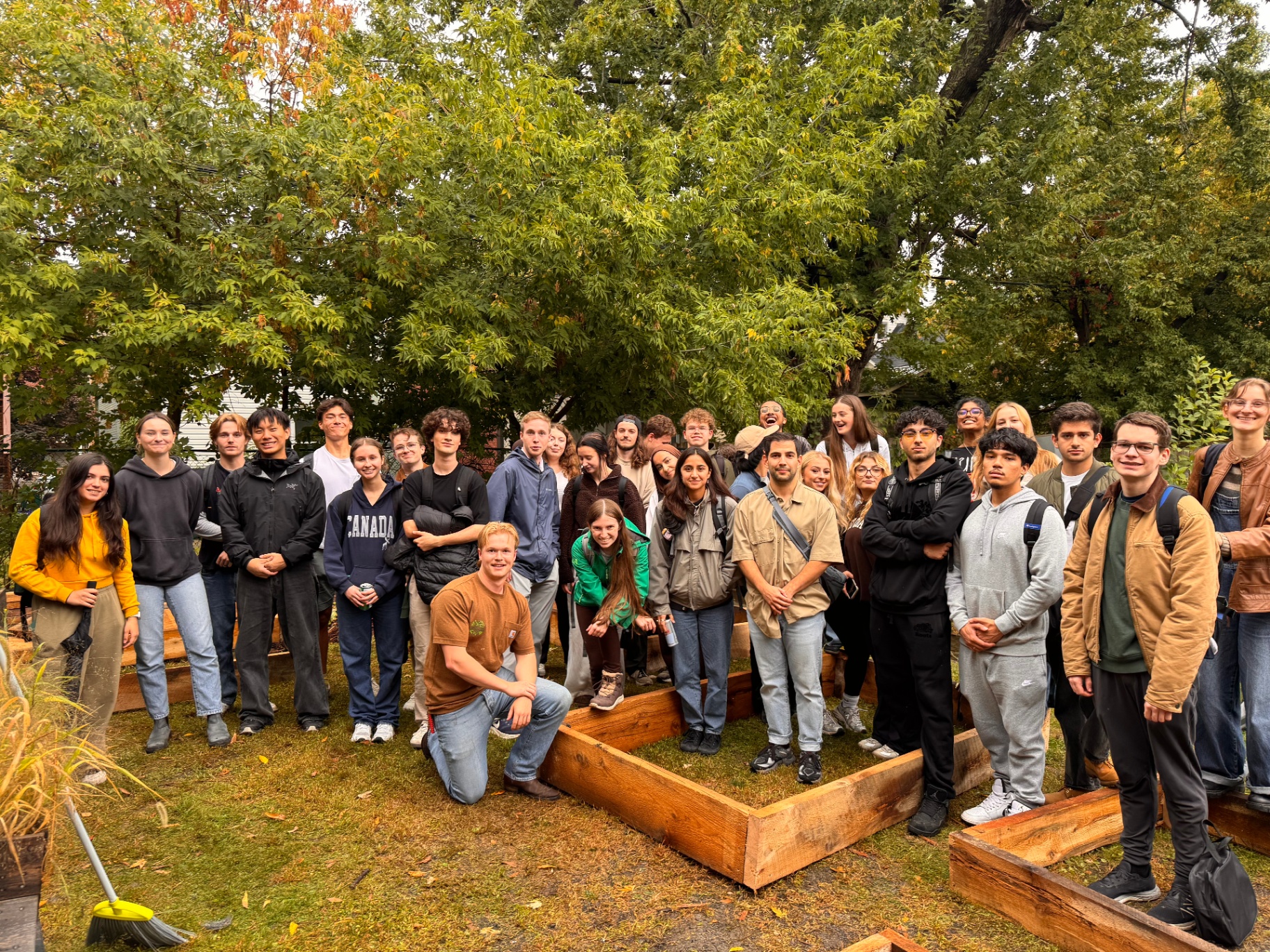
On a grey October afternoon behind uOttawa’s King Edward campus, the sound of drills drowned out the traffic. Planks of reclaimed wood were stacked in careful piles. Gloves were tugged on, measuring tapes snapped shut, and a group of political science students who mostly knew each other only as usernames on a screen began building something real together.

By the end of the day, new upcycled garden beds stood in the Community Garden, solid, square, and ready for spring. But ask the people who led the project, and they’ll tell you: the most important thing that took root wasn’t wood and soil. It was community.
Turning an online course into something you can touch
This fall, the Green Academy at Telfer supported a multi-day experiential learning initiative led in partnership with Professor Stephanie Mullen (Faculty of Social Sciences), the Community Service Learning (CSL) Program, the Upcycling Club, and the Office of Campus Sustainability.
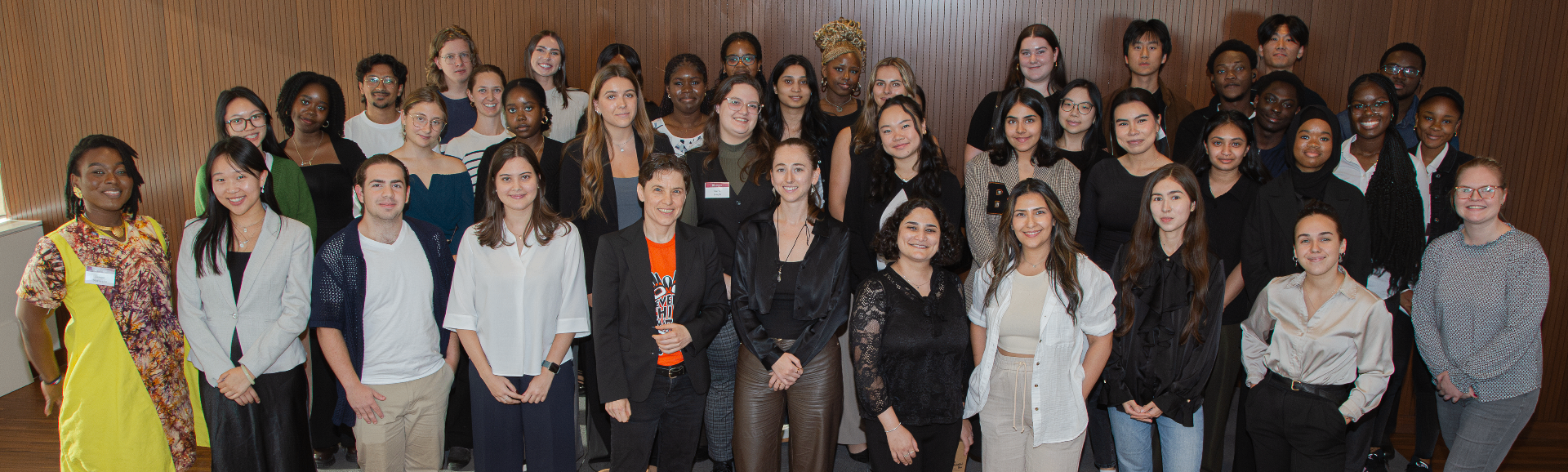
As part of POL 2156: Applied Research Workshop, more than 60 students took part in hands-on sessions where they designed, built, and prepared new garden beds for uOttawa’s Community Garden. In the spring, those beds will become living classrooms, hosting workshops, planting sessions, and student-led sustainability projects.

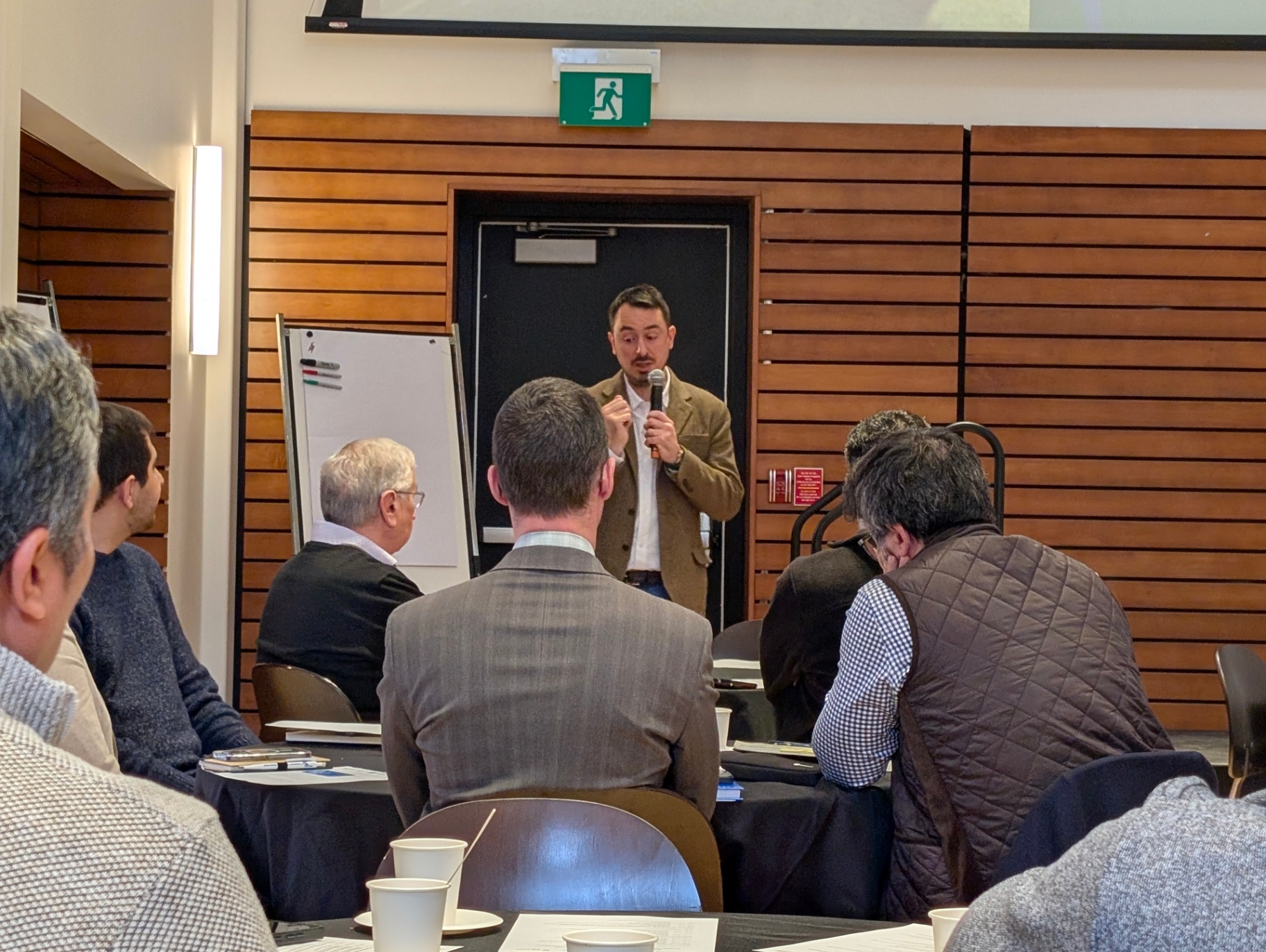
For Carlos Zapata, Specialist in Partnerships and Community Engagement in CSL programming, the challenge was clear: online courses make meaningful engagement harder.
“I see myself as someone who, through thoughtful and reciprocal collaborations, contributes to creating spaces where students can engage deeply in institutional, public, and community life,” he explains. “However, online courses often present challenges in fostering these meaningful engagement opportunities.”
So Carlos, Professor Mullen, and Maximilian Benda (who leads the Upcycling Club) sat down to design something different: a project that would give a large, online political science class a chance to do things differently. They wanted students to experience what it feels like to build something that would outlive the workshop itself.
“Innovation, for me, means transforming challenges into opportunities,” says Carlos. “I wanted to show that community engagement can be integrated into online learning. Otherwise, only certain students ever get to access these kinds of experiences.”
From rotting garden beds to bold assumptions
The idea itself started simply. The King Edward community garden, like many gardens in Ottawa, runs on volunteer energy and almost no funding. When wooden beds rot out, there’s rarely money to replace them. That means fewer plots, longer waitlists, and less food grown locally. Max, saw the problem and an opportunity.
“I enjoy bringing people together and building things,” he says. “I’ve always been interested in construction and made a bold assumption that I could teach anyone how to use a drill and a saw.”

That “bold assumption” was tested with more than 60 students over a full semester of hands-on workshops planned in April and refined over the summer, then brought to life through builds on September 25, October 23, and November 10, before culminating in a final garden clean-up on November 30.
It held true. Students who had never held a power tool were safely cutting, drilling, and assembling frames within an afternoon.
“Watching students build something for their community and bond with each other in the process has been especially meaningful for me,” Max reflects.
“We weren’t strangers anymore”
What stayed with both Max and Carlos was not just what got built, but what happened between people while they were building. Many of the students had spent most of their degree online. Some had never met classmates from their own program in person.
“Midway through the first workshop, I asked whether they had known each other prior to this session, and they unanimously said no,” Carlos recalls. “I was genuinely surprised because their interactions felt as if they had known each other for years.”
Students who showed up as strangers left as something closer to teammates. One group ended up forming a flag football team for intramurals next semester. Others joined the Upcycling Club, turning a one-off course requirement into an ongoing way to give back.
Learning sustainability in the soil

The project also opened a door for deeper conversations about sustainability, rooted in the garden itself. During one of the sessions, a neighbor wandered into the garden to pick vegetables. That simple moment turned into an impromptu seminar.
Students found themselves discussing the wider purpose of urban gardens: supporting pollinators in areas with little green space, strengthening local food production amid growing food insecurity, and lowering the environmental costs of transporting and disposing of food.
“Listening to students reflect on these issues and recognize the larger picture of sustainability was truly rewarding,” Carlos says. “This activity not only deepened their understanding but also showed how experiential learning can inspire critical thinking about global challenges.”
“Not just a class, but something I was part of”
For the students, the impact was personal.
“Being a part of the CSL program for my political science class provided me with a unique opportunity to earn course credits while actively engaging with the community,” says Humaira Patel, a Political Science student in the Faculty of Social Sciences. “By partaking in activities such as garden-bed making and community clean-up, I was able to be a part of a team and work towards valuable initiatives!”
For Myles Karpiuk, who studies Philosophy and Political Science, the experience didn’t end when class did.
“Doing an in-person CSL with the Upcycling Club was a super great experience, and it was a great way to be introduced to the club,” he shares. “I enjoyed my time so much that I went on to join it! Max and Carlos were fantastic organizers and super accommodating, and they did a great job working around the rain and making everyone feel included. I would recommend it and do it again!”
Those are the kinds of outcomes that rarely show up in course evaluations but shape how students feel about their education and their campus.
Planting the seeds for what comes next
With support from the Green Academy at Telfer, this project is not meant to be a one-off.
One emerging idea: using leftover building materials from construction sites to construct tiny homes for people experiencing homelessness combining upcycling, housing, peer support, and community-building in a single initiative.
“The future to us means more impact, more work, and bringing more community partners on board,” says Max.
Carlos sees the garden beds as a prototype for the kind of learning ecosystem he hopes to build. “I firmly believe that it takes a village to build a prosperous, sustainable, and equitable society,” he says. “My vision for the future looks like this initiative, where a diverse group of people, through collaboration and shared purpose, work together to make the world just a little bit better, step by step, project by project.”
In 2026, as the snow melts and the first shoots push through the soil, those upcycled garden beds will be ready, waiting not just for seeds, but for the next cohort of students to roll up their sleeves, meet each other for the first time, and discover what it feels like to build something together, that lasts.


This article was written by Takwa Youssef, coordinator of Telfer's Green Academy.
As coordinator of the Green Academy, Takwa plays a key role in supporting the delivery of the academy's interdisciplinary programs. She oversees logistics, event coordination, and resource management, ensuring the successful execution of courses, workshops, training, and research. Takwa bridges faculties, services, and external partners, cultivating collaboration that enriches the program’s impact. She manages communication, finances and administration, while also driving the Academy’s long-term vision by strengthening connections across disciplines and

.jpg)