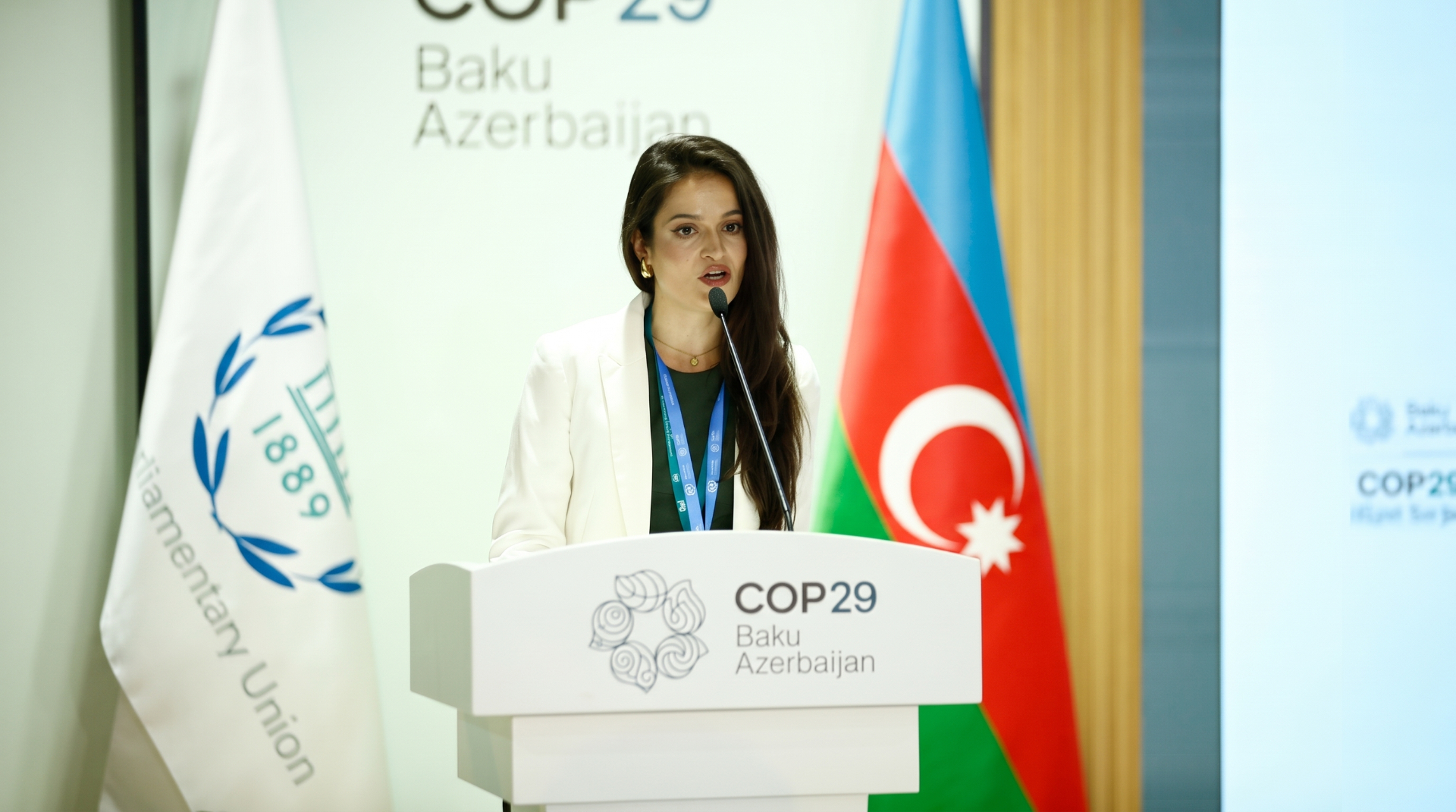
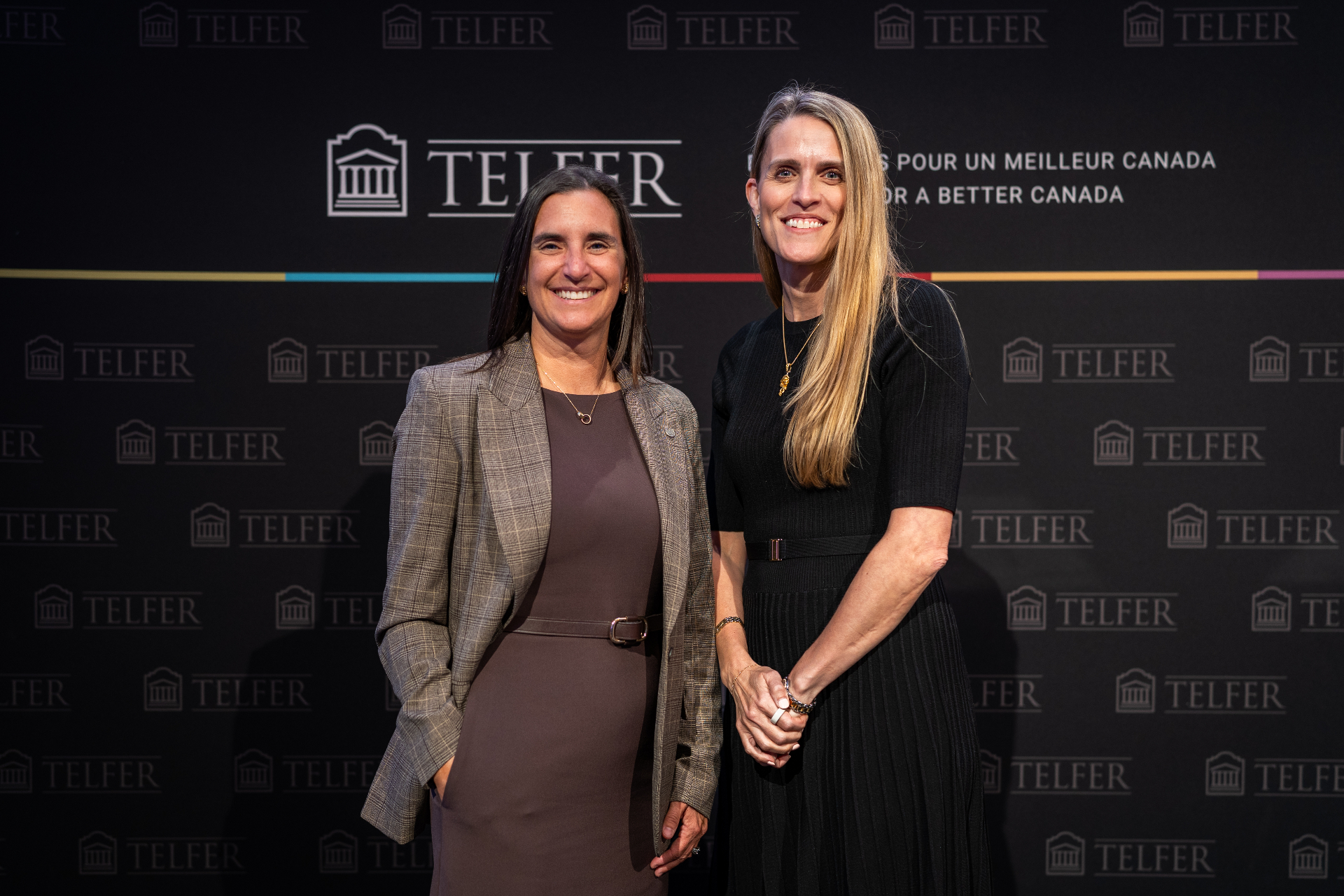
Some business ideas start with a whiteboard. Tatiana Estevez Carlucci (BCom ’15) started with a window.
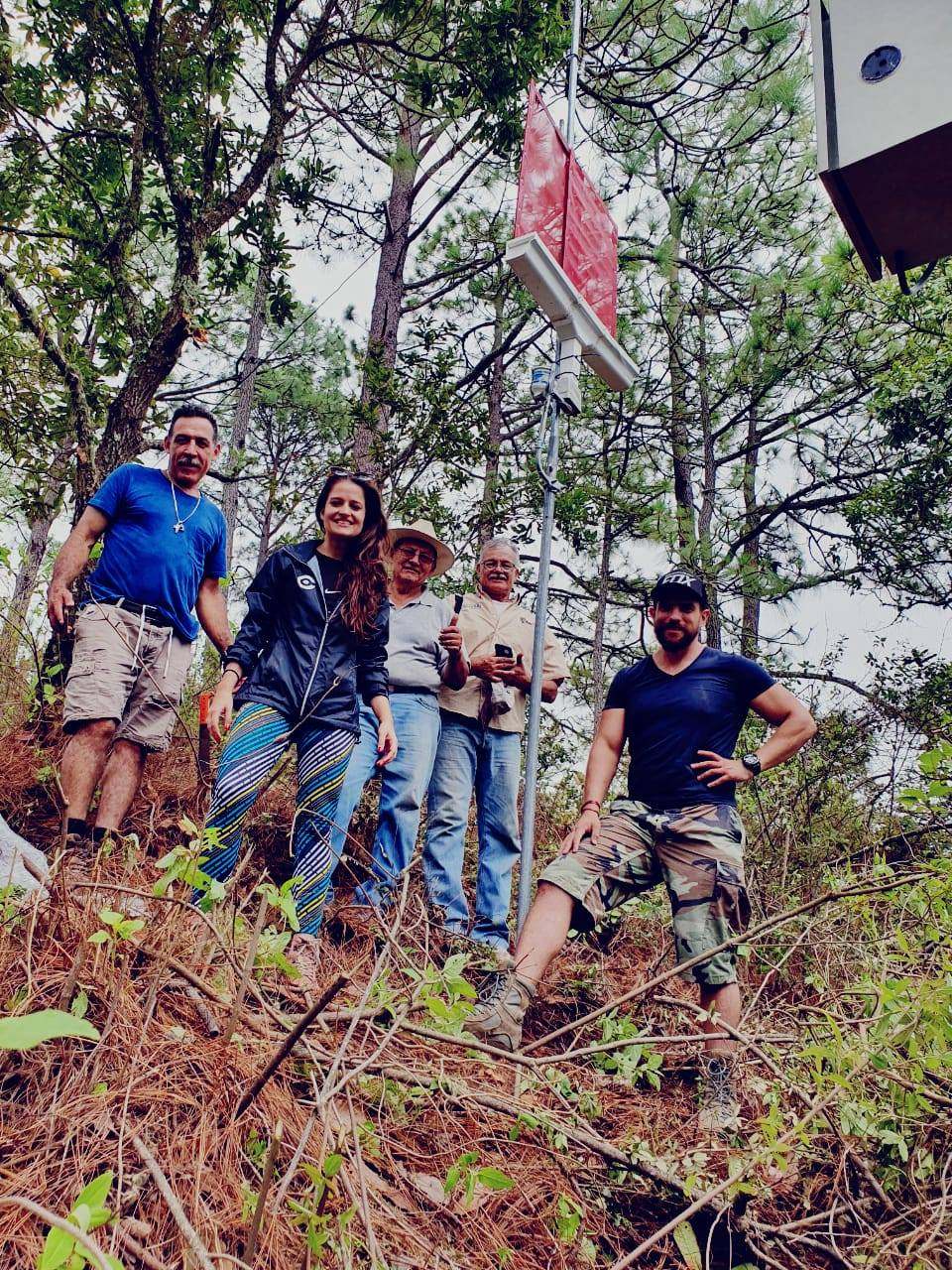
While watching fog cover San Francisco in 2015, she asked herself a simple question: why isn't anyone doing more with this? 11 years later, after detours through corporate innovation at Bosch and Global Affairs Canada, she is now the CEO and founder of Permalution. As a Canadian cleantech company, they capture water from fog and clouds, transforming an overlooked natural resource into a practical solution for communities and industries facing water scarcity.
Tatiana is also the founder of Tech Quiero, a nonprofit organization that empowers women in Latin America and Canada to pursue careers in technology, STEM, and innovation.
What was the defining moment that inspired you to become an entrepreneur and start Permalution?
It wasn't a single moment that inspired entrepreneurship, but the accumulation of experiences I couldn't ignore. Having entrepreneurial engineers as parents taught me to solve problems with conviction and take my ideas seriously from a very young age.
Growing up between Argentina and Canada and working in Mexico and the United Arab Emirates, exposed me to communities where water was a constant challenge. At the same time, I saw fog blanket coastlines and mountain ranges every day, largely untapped.
Permalution was born from that contrast: urgent need and overlooked abundance.
What began as a fascination with fog collection has grown into a cleantech company operating in five countries, serving mining and industrial clients, and building the world's most advanced fog and cloud water intelligence platform, along with industrial steam recycling.
I didn't start Permalution because I wanted to be an entrepreneur. I started it because the problem I cared about demanded a solution, and I happened to be standing in front of it.
What does building a greener Canada mean to you?
Building a greener Canada means moving beyond the idea that we must choose between economic growth and environmental responsibility.
Canada is often called water-rich, but abundance is not the same as access. We have the myth that we own 20% of the world’s fresh water, but only 7% of our freshwater is renewable; the rest is fossilized water we cannot touch. Today, wildfires are scorching watersheds, water restrictions are disrupting industries, and permits for critical mineral projects are stalled. In this new reality, water resilience is economic resilience—and increasingly, a matter of national security.
A greener Canada also means showing up on the international stage as a country that leads by example. Not just with good intentions, but with real solutions. We have scientific talent, institutions, and the credibility to be a global leader in clean technology. And it starts with the choices we make from the inside out.
How did your experience as a Telfer student shape the way you think about leadership and responsibility?
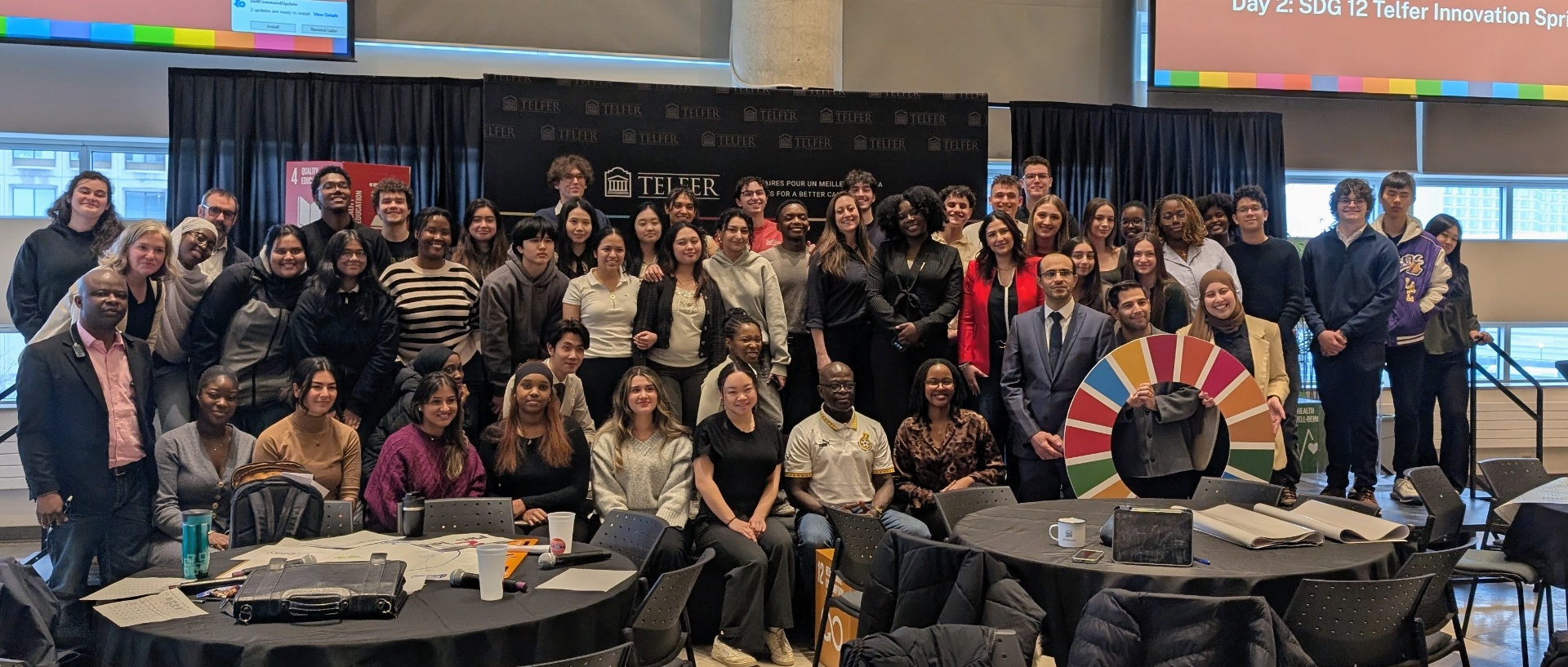
Telfer shaped me in ways I'm still unpacking. I had professors such as Pranlal Manga, Michael Mulvey, David Large, and Chantal Rodier who encouraged out of the box discussions and who gave permission to imagine solutions that didn't exist yet.
Others taught accountability, deadline discipline, and the essential skill of making things work instead of finding excuses for why they didn't. A great idea is only the beginning; you have to test it, listen, adapt, and ultimately make it work for the people you're trying to serve.
I learned that the knowledge and opportunity you gain in a business school like Telfer come with an obligation—to use them to make things better, not simply to perpetuate what isn't working.
I'm grateful that those lessons were planted early.
You have expertise in climate technology and sustainable innovation. What three skills have had the biggest impact on your effectiveness, particularly while bridging science, technology, and business?
On paper, my background is chaotic. I studied acting, visual arts, business, and arts administration. None of which looked like a straight line to founding a clean technology company, but every discipline gave me something. Not knowing exactly where you're going can be one of your greatest advantages. Looking back, these are the three skills that have shaped my effectiveness most:
Relentless curiosity: The entrepreneurs I admire most are not the ones who know everything—they are the ones determined to understand everything relevant to the problem they are solving.
Radical commercial clarity: Climate solutions must make business sense. I constantly ask: Who pays? Why do they pay? What value do they receive? If a climate solution cannot create enough value for someone to adopt it, it will struggle to reach the scale required to make a meaningful difference.
Cross-cultural communication: Building Permalution internationally has taught me that technology alone doesn't create adoption; understanding the people, context, and realities around a problem is just as important.
What advice would you give to people who want to align their work with a greener Canada?
Start where the problem is. Don't build from a distance. The most meaningful work happens at the intersection of purpose, necessity, and opportunity.
Don't wait for permission to take your idea seriously. Climate challenges are urgent, and communities and ecosystems can't afford to wait for a better-funded version of you. Build the imperfect version, learn from it, and keep improving. Permalution's earliest fog collection systems were far from perfect, but they taught us what doesn't work, what could scale, and most importantly, what customers value.
Understand that luck requires preparation. Build the knowledge, networks, and discipline now—through formal education, through corporate experience, through conversations with experts.
Your fresh perspective may be exactly what a greener Canada needs.
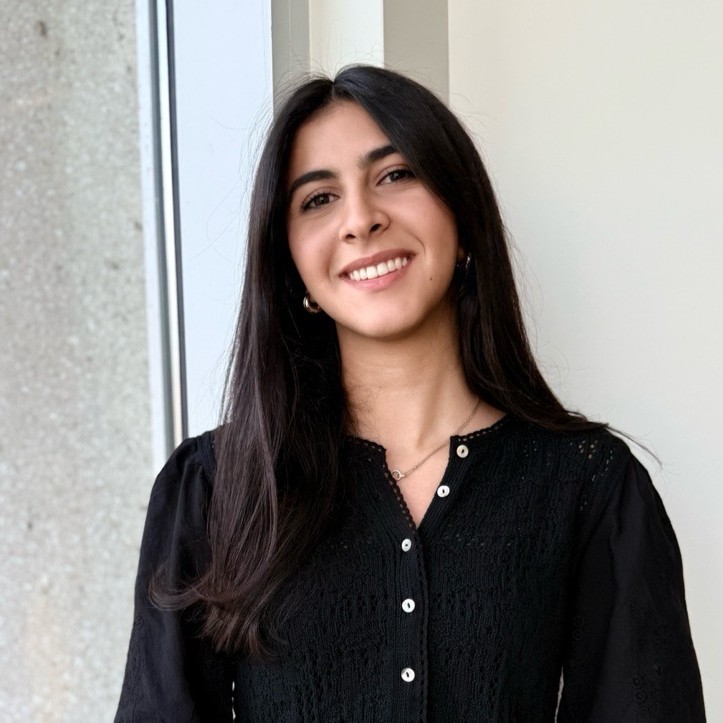
About the author — Zain Ibrahim
Zain Ibrahim is a fourth-year marketing student at the Telfer School of Management. As part of her co-op program, she serves as communications and special projects assistant with the Engagement and Development teams at Telfer.
Meet Telfer’s 2026 Spirit of Giving, Donor of the Year, and Volunteer of the Year recipients: Murray Kronick, Mathieu Lupien and Jeffrey R. Smith (BAdm ’78, BMgtSc ’79).